


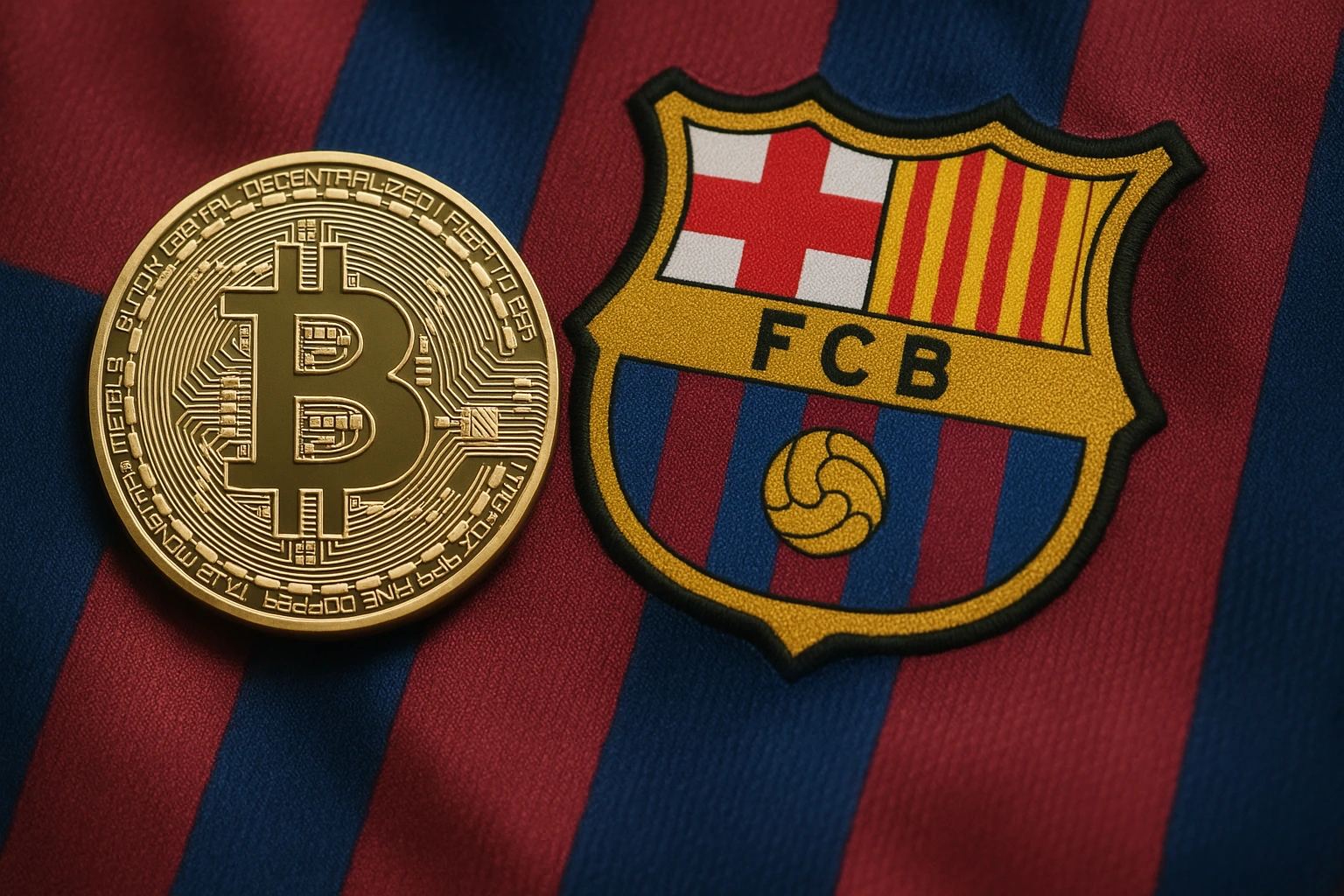
The Barcelona crypto sponsor partnership triggered strong backlash after fans and analysts raised questions about the partner’s transparency and credibility. The club faced mounting criticism for signing a deal with an obscure blockchain startup that offered limited public information about its operations. As scrutiny intensified, FC Barcelona moved quickly to distance itself from the firm and clarify its position.
How the Sponsorship Deal Emerged
FC Barcelona announced a three-year agreement with Zero-Knowledge Proof (ZKP), a little-known crypto startup. The company described itself as a privacy-focused blockchain project that uses decentralised AI. However, soon after the announcement, journalists and analysts noted significant gaps in publicly available information about the firm.
Key concerns included:
- No clear ownership or leadership information
- No established business history
- No transparent explanation of product operations
- Claims of operating under Samoan law with no fixed headquarters
These issues immediately drew attention because sponsorships involving financial products can influence fan behaviour and create perceived legitimacy.
Why Critics Challenged the Partnership
The backlash grew quickly for several reasons. Many observers argued that the agreement exposed fans to financial risk because the partner lacked a clear track record. Others pointed to the club’s recent financial struggles and questioned the due-diligence process behind the deal.
Additional concerns included:
- The token connected to the partner had no verified backing
- Fans might interpret the sponsorship as an endorsement of a high-risk financial product
- Several European clubs had already faced trouble after partnering with opaque crypto firms
- Critics believed the agreement reflected broader financial desperation within the club
As the story spread, pressure mounted on Barcelona to explain the relationship.
How FC Barcelona Responded
In response to the backlash, the club released a detailed clarification. Barcelona stated that it had no involvement in the partner’s token launch, token promotion, or blockchain operations. The sponsorship did not give the startup rights to use official club channels to promote its token.
By emphasising these boundaries, FC Barcelona attempted to separate itself from the speculative elements of the project. The message aimed to reassure fans that the club would not participate in any financial promotion linked to the sponsor.
The Broader Context Around Crypto Sponsorships
The situation highlighted a trend across European football. Many clubs have entered agreements with crypto companies during the past few years. Several of those partnerships ended abruptly due to payment issues, regulatory questions, or credibility problems.
This climate has created scepticism among fans. Supporters increasingly expect responsible vetting, especially when financial products connect to club branding. Analysts warn that financially pressured clubs may accept deals without full transparency, creating long-term reputational risk.
Conclusion
The Barcelona crypto sponsor backlash showed how important transparency is in modern sports partnerships. FC Barcelona faced criticism for signing a deal with a startup that lacked clear public information. The club’s quick clarification helped ease some concerns, but the incident revealed growing expectations around accountability and due diligence. Sports organisations that engage with crypto partners must adopt strict review processes to protect their reputation and maintain fan trust.
0 responses to “Barcelona Crypto Sponsor Deal Sparks Public Backlash After Transparency Concerns”