


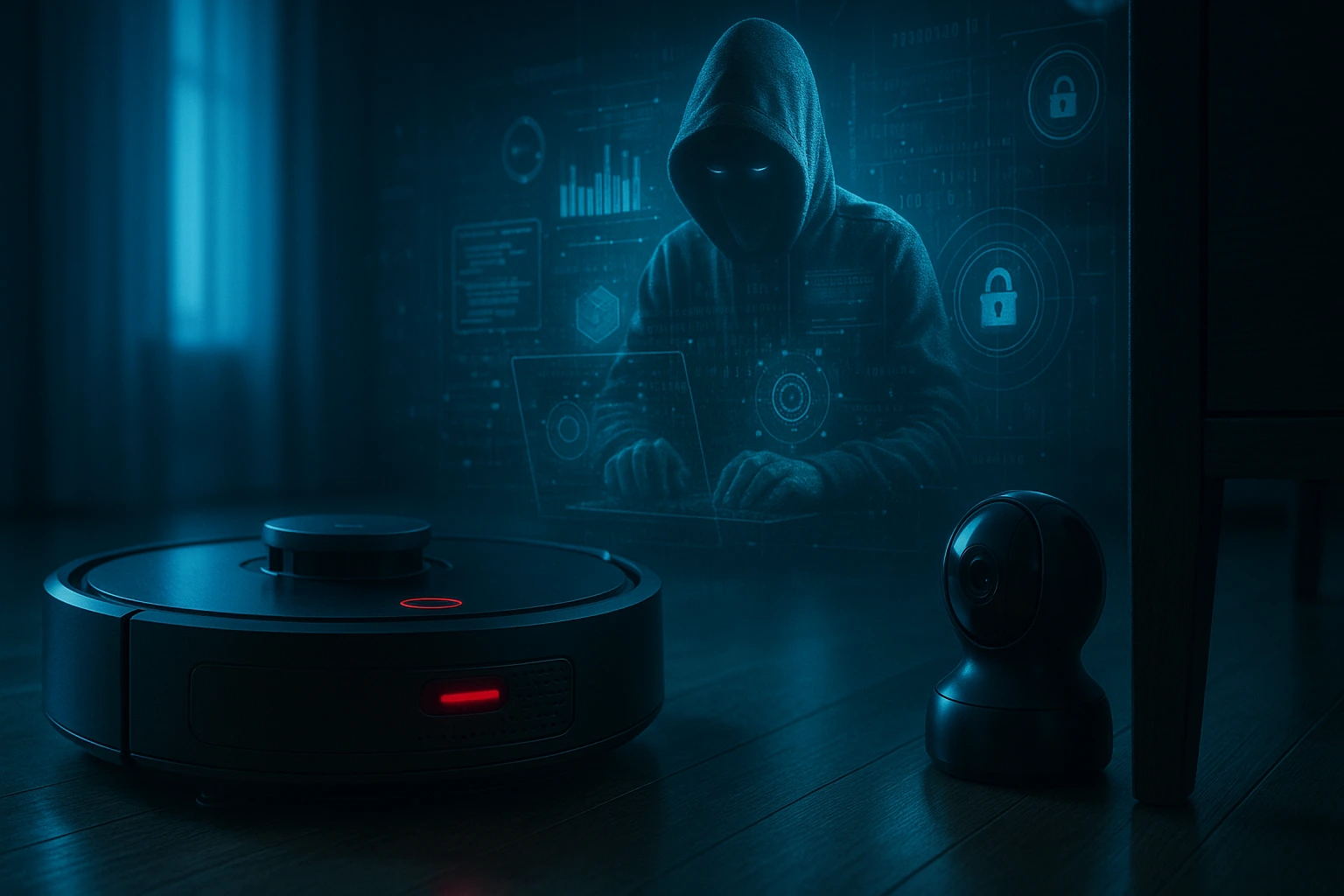
Smart home devices promise convenience, yet they often demand a deep level of trust. A recent discovery shows why that trust can fail. An engineer uncovered a backdoor in robot vacuum hardware after his device stopped working once he blocked its suspicious data traffic. The finding reveals serious privacy and security concerns in everyday connected appliances that sit inside private homes.
Discovery That Sparked Alarm
The engineer initially noticed his vacuum constantly attempted to contact remote servers. He blocked the outbound traffic and everything seemed fine at first. Soon after, the vacuum stopped functioning entirely, even though nothing had broken physically. Instead of accepting a dead appliance, he opened the device and began exploring its software environment.
He then made a troubling discovery. The vacuum ran a trimmed-down Linux system with an open remote access interface. No authentication shielded it. Full system commands were available. This access meant the manufacturer, or anyone exploiting the design, could take control without permission.
What the Backdoor Allowed
Once inside, he identified root-level access. He also found network information stored in plain text. That included WiFi credentials. Additionally, the vacuum used a mapping system capable of learning the layout of a home, including walls, entrances, and movement patterns. This capability normally improves navigation, yet it also creates detailed data about a private living space.
A system log revealed the most unsettling detail. The vacuum appeared to receive a remote instruction shortly before it failed. The command disabled the device functions. That event supported the suspicion that the vacuum might accept external directions over its hidden control channel.
Broader Impact on Smart Home Devices
The engineer linked the vacuum to a common hardware platform used by multiple brands. If true, many consumers may own devices that carry similar risks. A single insecure platform used across products raises the threat at scale. Someone with malicious access could spy on households, disrupt smart home setups, or harvest private information.
Smart devices operate behind front doors and inside bedrooms. That level of access gives attackers a direct view into lives.
How Users Can Reduce Risk
Consumers cannot inspect firmware easily, yet they can improve basic defenses.
- Place smart devices on a separate WiFi network
- Disable cloud control when possible
- Review vendor transparency and security track records
- Update firmware immediately when patches release
- Monitor network behavior for unusual activity
Simple isolation prevents one compromised gadget from reaching more sensitive devices.
Conclusion
The backdoor in robot vacuum systems exposes a hidden threat inside everyday technology. A product designed to clean floors instead created a path for remote access, mapping data exposure, and potential spying. Trust in smart home hardware requires strong security, not quiet pathways left open in production units. Until device makers commit to transparent and secure architectures, users must treat convenience with caution. Vigilance protects privacy and helps ensure that smart tools remain helpers, not hazards.
0 responses to “Backdoor in Robot Vacuum Raises Major Smart Home Privacy Concerns”