


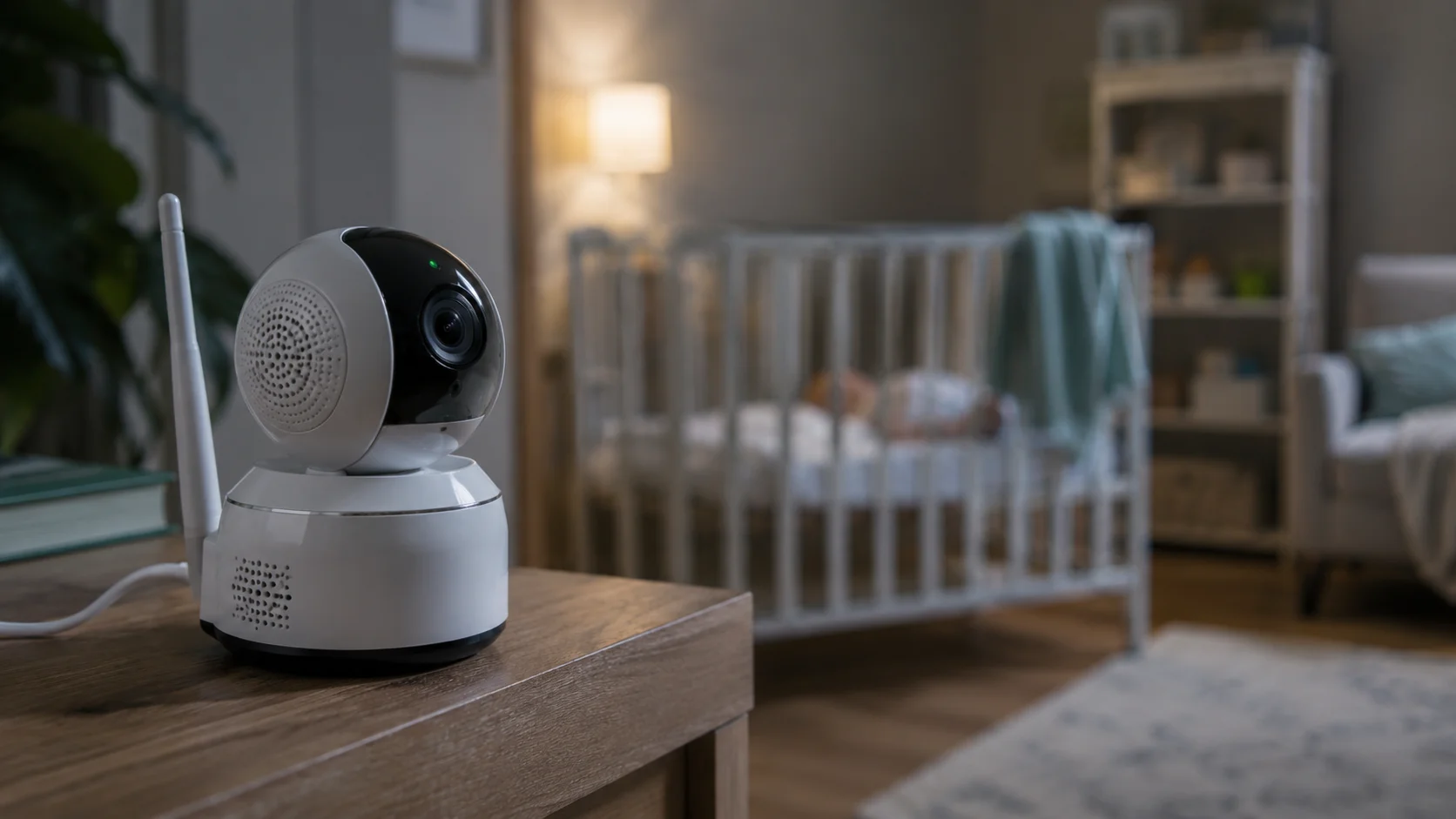
A newly disclosed baby monitor flaw has exposed serious security problems affecting millions of internet-connected cameras and smart home devices. Researchers discovered that hundreds of camera brands relied on the same vulnerable cloud infrastructure, allowing sensitive information to become accessible across multiple products.
The issue reportedly affected baby monitors, indoor security cameras, and pet monitoring systems sold through Amazon and other major online retailers. Security researchers warned that the flaws could have exposed private snapshots, device information, and location-related data connected to households worldwide.
The findings also raised broader concerns about white-label smart home products. Many devices that appear to come from separate companies often depend on the same backend systems, firmware, and mobile applications.
Researchers Traced the Problem to Shared Infrastructure
French security researcher Sammy Azdoufal uncovered the vulnerabilities while analyzing a baby monitor purchased online. The investigation later revealed that more than 300 different brands reportedly relied on infrastructure connected to Chinese company Meari Technology.
Researchers explained that consumers usually cannot tell when different smart home products share identical backend systems. While the devices may look different and carry separate brand names, many still operate through the same cloud services.
The report stated that roughly 1.1 million devices could have been affected by the vulnerabilities. Researchers also noted that the security weaknesses were not isolated bugs. Instead, the issues appeared deeply connected to the overall system architecture used across the platform.
Several known smart camera brands reportedly relied on the affected ecosystem, including Wyze, CloudEdge, Arenti, Intelbras, and Petcube.
Sensitive Device Data Became Exposed
The most severe vulnerability reportedly involved the MQTT messaging system used for notifications and device communications. Researchers claimed that unauthorized users could potentially receive data streams connected to devices owned by other customers.
The exposed information allegedly included:
- External IP addresses
- Approximate user locations
- Motion-triggered snapshots
- Device serial numbers
- Camera identifiers
- User-related metadata
Researchers also discovered improperly protected files stored through Alibaba Cloud infrastructure. Some stored images reportedly relied on weak obfuscation methods instead of proper authentication protections, making the data easier to access.
The vulnerabilities later received official CVE identifiers and attracted attention from cybersecurity agencies.
White-Label Smart Devices Continue Creating Risks
The incident highlighted a growing problem inside the smart home industry. Many low-cost cameras and baby monitors operate through white-label manufacturing models, where one platform powers products sold under hundreds of separate brands.
This structure can create large-scale security problems when vulnerabilities affect the shared infrastructure. Instead of impacting a single manufacturer, one flaw can spread across millions of devices at the same time.
Cybersecurity researchers have repeatedly warned about insecure internet-connected cameras. Previous investigations uncovered exposed camera feeds, weak default passwords, and poorly secured cloud storage systems connected to smart home devices.
Security experts recommend several steps to reduce potential risks:
- Change default passwords immediately
- Enable two-factor authentication when available
- Install firmware updates regularly
- Remove unsupported devices from networks
- Review app permissions carefully
- Separate IoT devices from primary home networks
Some professionals also recommend local-only monitoring systems for users concerned about cloud-based security risks.
Conclusion
The newly discovered baby monitor flaw exposed deeper weaknesses inside the growing smart home device market. Millions of users may have unknowingly relied on products connected to the same vulnerable infrastructure despite purchasing devices sold under completely different brand names.
The incident also demonstrated how white-label ecosystems can amplify cybersecurity failures across the entire IoT industry. As connected cameras continue entering homes worldwide, researchers expect increased pressure on manufacturers to improve transparency, strengthen security protections, and reduce reliance on poorly secured shared platforms.
0 responses to “Baby Monitor Flaw Exposed Millions of Smart Cameras”