


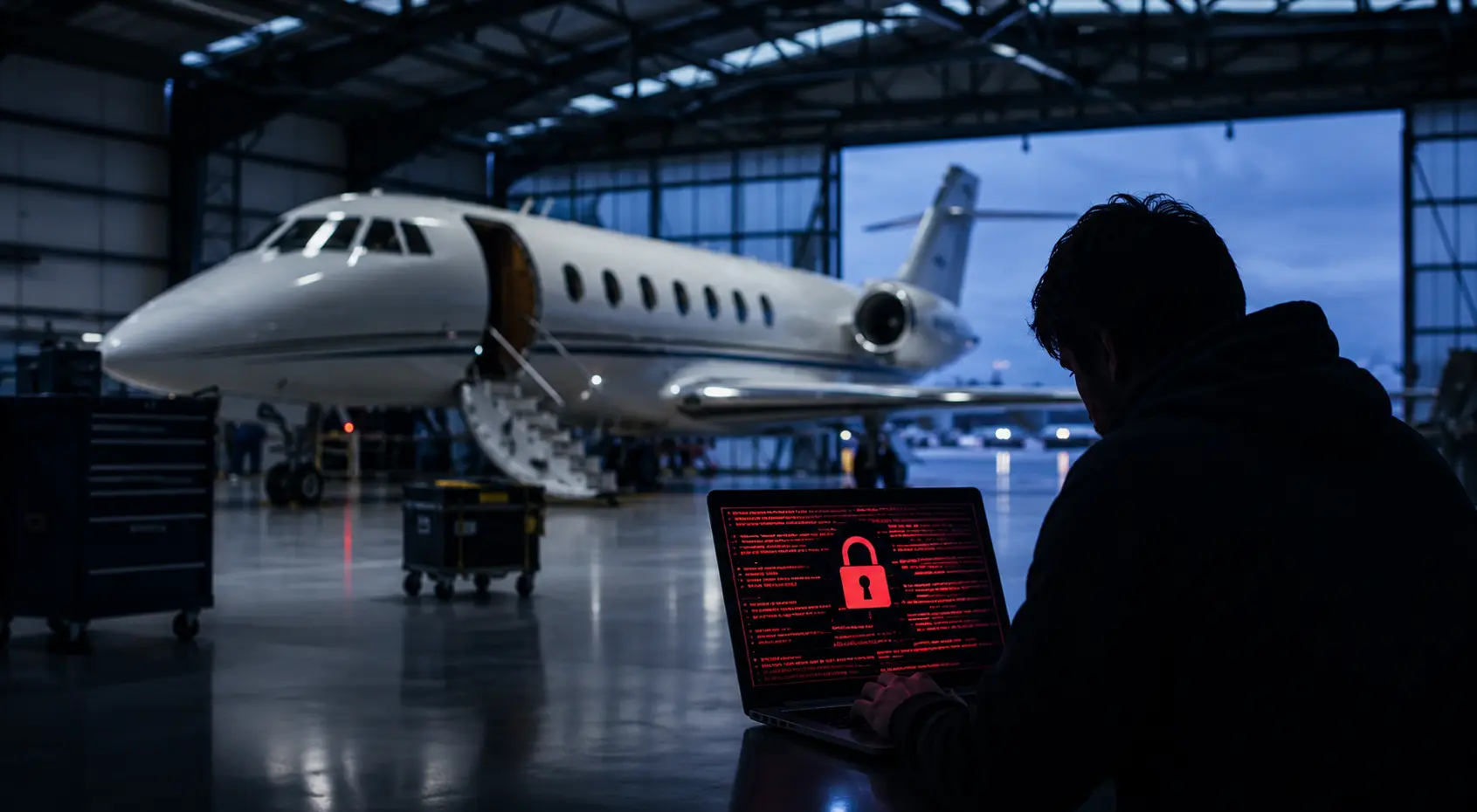
A cybercriminal group has claimed responsibility for a breach involving Austrian business aviation company Avcon Jet. The alleged incident surfaced after the Qilin ransomware operation published samples of what it says are stolen company files. The exposed materials reportedly include employee records, aircraft documentation, and internal security procedures. The incident has raised concerns about the growing cyber risks facing aviation organizations that manage large volumes of sensitive operational and personal information.
The attack adds to a growing trend of ransomware groups targeting transportation and aviation companies. These organizations often hold valuable data that can be used for extortion, fraud, or intelligence gathering.
Qilin Claims It Stole Internal Company Data
Qilin listed Avcon Jet on its leak site and released samples of files allegedly taken during the intrusion. According to the group, the stolen data includes employee passports, resumes, training documents, aircraft maintenance records, and export airworthiness certificates.
The ransomware gang also claims to possess internal cybersecurity documentation. Among the leaked materials is an alleged incident response plan that outlines how the company handles security events and cyber threats. Such documents typically remain confidential because they contain information about internal procedures and defensive measures.
At the time of reporting, the full scope of the alleged breach remained unclear. As is common in ransomware incidents, independent verification of every leaked file has not yet been completed.
Aircraft Records Increase Security Concerns
The reported exposure of aviation-related documents makes this incident particularly notable. Aircraft maintenance records often contain detailed information about inspections, repairs, and technical procedures. While these records do not necessarily create immediate safety risks, they can reveal operational details that organizations prefer to keep private.
Security professionals have long warned that aviation companies face unique cybersecurity challenges. These businesses rely on complex systems, extensive documentation, and large networks of suppliers and service providers. A breach affecting operational data can therefore create concerns that extend beyond the theft of personal information.
The alleged leak of internal security procedures may create additional challenges. Criminal groups often seek information that helps them understand how organizations detect and respond to cyberattacks. Access to such materials could potentially support future intrusion attempts.
Employees May Face Long-Term Risks
The incident could also affect employees whose personal information appears in the leaked files. Documents such as passports, identification records, and employment information can become valuable assets for cybercriminals engaged in fraud and identity theft.
Threat actors frequently combine stolen records with information gathered from social media platforms and previous breaches. This approach allows them to create convincing phishing emails and social engineering campaigns that appear legitimate.
The risks associated with personal data exposure often continue long after a ransomware attack becomes public. Individuals affected by these incidents may remain targets for fraud attempts months or even years after the original breach.
Aviation Industry Remains a Prime Target
Ransomware groups continue to focus on industries that depend on uninterrupted operations and manage sensitive information. Aviation companies fit both criteria, making them attractive targets for cybercriminals seeking leverage during extortion attempts.
Over the past several years, airlines, airports, aerospace suppliers, and aviation service providers have all reported significant cybersecurity incidents. Many attacks have involved data theft rather than operational disruption, reflecting the growing value of corporate and personal information in the cybercrime ecosystem.
Groups such as Qilin have expanded their operations through ransomware-as-a-service models that allow affiliates to conduct attacks against organizations around the world. This approach has helped ransomware operations increase both their reach and the number of victims they target.
Conclusion
The Avcon ransomware attack highlights the increasing cybersecurity pressure facing the aviation sector. The alleged exposure of employee records, aircraft documentation, and internal security materials demonstrates how ransomware incidents can affect multiple areas of an organization at once. While questions remain about the full extent of the breach, the incident serves as another reminder that aviation companies continue to face persistent threats from well-organized cybercriminal groups.
0 responses to “Avcon Ransomware Attack Exposes Sensitive Aviation Data”