


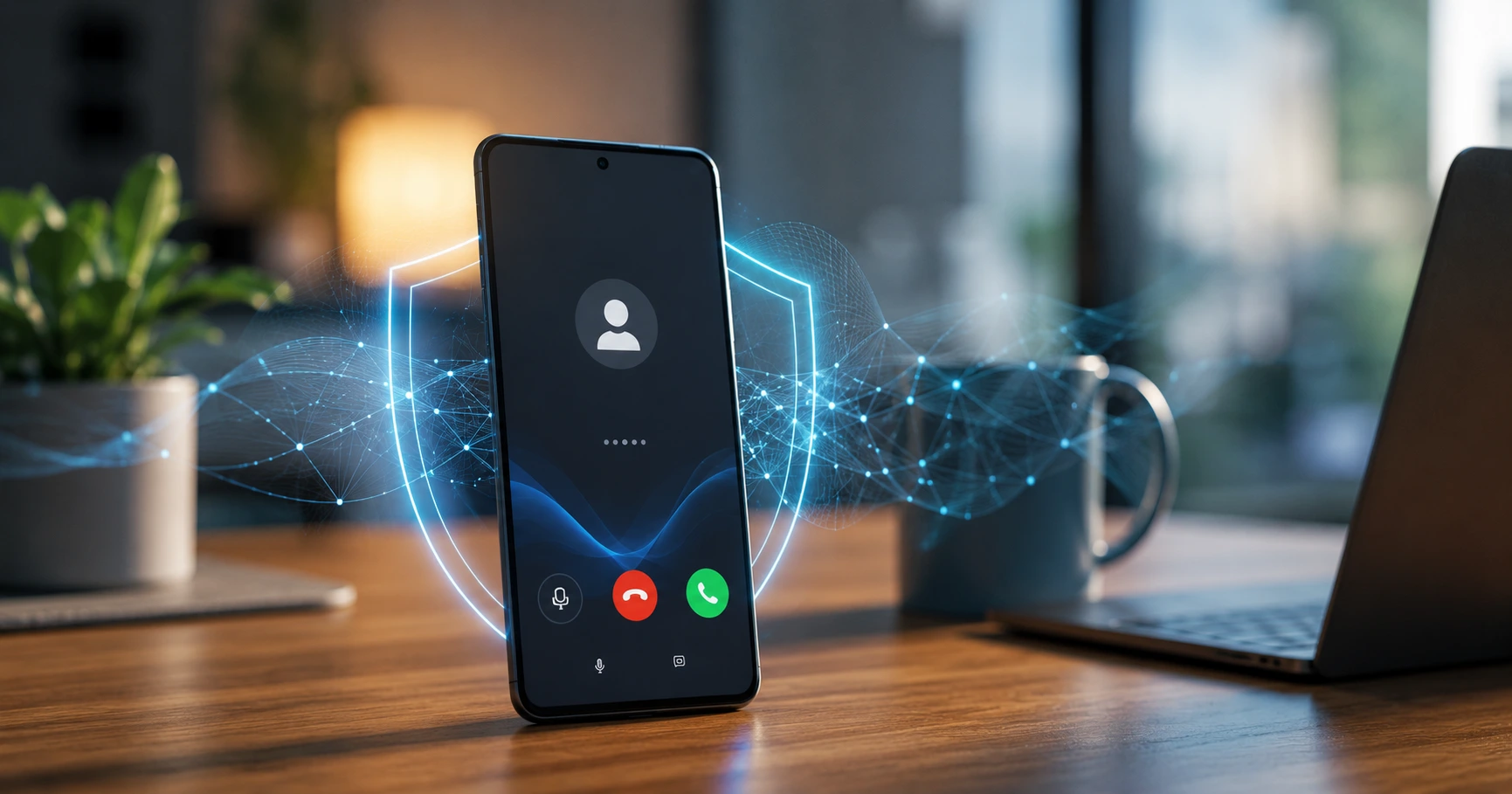
Android scam protection is receiving new AI-focused security upgrades as Google moves to defend users against deepfake voice scams and fraudulent phone calls. The company announced new protections designed to detect suspicious behavior during calls and reduce the risk of AI-powered impersonation attacks targeting Android users.
The update reflects growing concerns surrounding voice-cloning technology and real-time scam operations. Cybercriminals increasingly use artificial intelligence to imitate trusted voices, manipulate victims, and bypass traditional fraud detection methods.
Google’s latest Android protections aim to strengthen mobile defenses before these attacks become even more widespread.
AI Voice Scams Continue Expanding
Voice-cloning scams have become one of the fastest-growing fraud techniques linked to artificial intelligence. Attackers can now generate realistic synthetic voices capable of imitating family members, coworkers, financial institutions, or government representatives.
Researchers and law enforcement agencies have repeatedly warned that AI-generated calls are becoming more convincing and more difficult for victims to identify. Some attacks involve emotional manipulation, urgent financial requests, or fake emergency situations designed to pressure targets into acting quickly.
The rise of accessible AI voice tools has lowered the barrier for fraud operations worldwide. Criminal groups no longer require advanced technical expertise to launch sophisticated impersonation campaigns.
Google’s latest Android scam protection measures appear designed to address this growing threat directly at the device level.
Google Adds New Android Protections
Google said the new protections focus on identifying suspicious call activity and warning users before scams escalate. Android devices may now detect certain behaviors commonly associated with fraud attempts involving sensitive information, financial requests, or remote device access.
The company aims to reduce social engineering risks by interrupting dangerous interactions before victims share passwords, banking details, or authentication codes.
Researchers have increasingly warned that mobile devices remain primary targets for modern scam campaigns because attackers can directly reach users through calls, messaging apps, and communication platforms.
Google continues expanding on-device security features as AI-driven fraud becomes more advanced.
Deepfake Technology Creates New Risks
Deepfake voice technology has evolved rapidly during the past several years. Modern AI systems can reproduce tone, speech patterns, and emotional delivery using only short audio samples collected from social media videos, voice messages, or public recordings.
This capability creates serious concerns for consumers, businesses, and financial institutions. Attackers may impersonate executives, employees, customer support agents, or family members during real-time conversations.
Security experts warn that traditional fraud awareness techniques may become less effective as synthetic voices improve in realism. Many victims already struggle to distinguish AI-generated audio from legitimate human speech.
The growing sophistication of AI-generated impersonation attacks is forcing technology companies to rethink mobile security protections.
Mobile Platforms Face Increasing Pressure
Smartphone operating systems have become critical security battlegrounds as cybercriminals shift toward social engineering and identity-focused attacks. Mobile devices now contain banking access, authentication systems, personal communications, and corporate credentials.
Technology companies face increasing pressure to strengthen real-time protection against scams before attackers can exploit users emotionally or psychologically.
Google, Apple, and other major providers continue investing heavily in on-device AI security features capable of identifying suspicious behavior patterns without relying entirely on cloud-based analysis.
The Android scam protection update reflects a broader industry shift toward proactive fraud prevention.
Users Should Remain Cautious During Calls
Security researchers still recommend that users remain cautious even with improved protections. Attackers constantly adapt tactics and may attempt to bypass automated defenses through more convincing social engineering methods.
Users should avoid sharing sensitive information during unexpected calls and independently verify urgent requests involving money transfers, passwords, or account access.
Experts also recommend enabling multi-factor authentication, reviewing privacy settings, and limiting publicly available voice recordings online whenever possible.
AI-generated scams will likely continue evolving as voice synthesis technology becomes more accessible and more realistic.
Final Thoughts
The Android scam protection update shows how seriously technology companies now view AI-powered fraud and deepfake voice attacks. As cybercriminals continue adopting synthetic voice tools, mobile operating systems must adapt to increasingly sophisticated social engineering threats.
Google’s latest protections represent another step toward defending users against AI-driven scams before they escalate into financial theft or identity compromise. Security experts expect similar defensive features to become standard across mobile platforms in the years ahead.
0 responses to “Android Scam Protection Targets AI Deepfake Calls”