


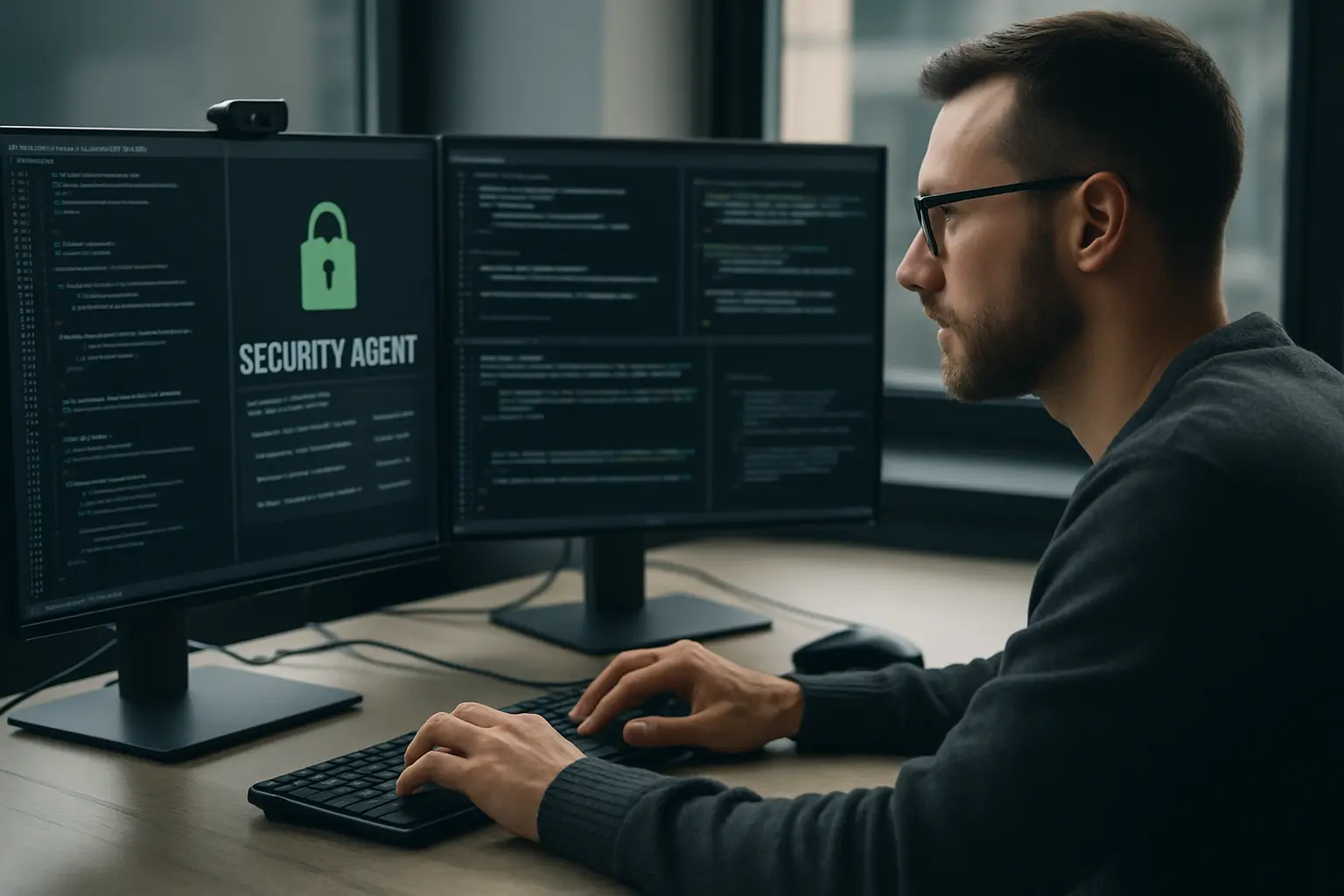
Modern software changes fast. Engineers release new updates, move code between environments, and manage complex systems. Security teams must keep up while reducing risk. The Aardvark security agent aims to support that work. It scans code, identifies weaknesses, and suggests repairs before attackers find a path in. This approach brings automated assistance into everyday development workflows and helps teams respond to threats in real time.
What the Aardvark security agent does
The Aardvark security agent operates inside source control systems. It connects to repositories, reviews code history, and monitors new commits. The tool searches for insecure functions, logic mistakes, missing access controls, and other weak points. It performs structured threat analysis and attempts proof-of-concept validation in a controlled testing space. That method verifies risk instead of flagging every minor detail.
If the tool confirms a vulnerability, it recommends a patch. Developers review the suggestion and approve or adjust it. This flow keeps humans in charge while reducing the workload of manual scanning and static analysis review. Aardvark supports DevSecOps teams by acting as a consistent reviewer that never slows down and never ignores small issues.
Why Aardvark matters
Security challenges grow as codebases expand. Teams add dependencies, microservices, and automation tools. Each new element increases possible exposure. Traditional security checks can fall behind when development speeds up. Aardvark offers constant monitoring and instant assessment.
This system helps avoid delayed audits and large backlogs of unreviewed code. Smaller issues get attention early. Significant weaknesses surface before release. Teams gain insight into code health across branches and projects. The tool also provides learning value, since recommended patches teach developers secure patterns as they work.
Practical use in daily workflows
Aardvark fits into pull request processes and continuous integration pipelines. It feeds results to developers and security staff through repository comments and structured reports. Engineers do not need to switch platforms or search for findings. They receive direct context next to the code that needs attention.
This design supports collaboration. Security staff guide policy and oversight. Developers maintain control of code quality and sign off on changes. Automated validation improves consistency without replacing human expertise.
Clear role boundaries matter. Aardvark acts as a support system, not an authority. Teams decide how to handle alerts and when to apply patches. That balance prevents over-automation and keeps standards aligned with business needs.
Considerations before adoption
Any tool that interacts with source code deserves careful planning. Teams must set rules for access, data handling, and privacy. They must define how results feed into development processes. Proper onboarding improves trust and reduces friction. It also ensures developers know how to respond to alerts instead of ignoring them.
Leadership should treat Aardvark as part of a larger security culture. Training, review cycles, and policy enforcement remain essential. Technology alone cannot guarantee safe software.
Conclusion
The Aardvark security agent brings meaningful help to development teams. It reviews code, catches vulnerabilities, confirms risks, and suggests secure fixes. Human judgement guides final decisions, so teams stay in control. The tool offers continuous support in an environment where speed and safety must coexist. Organisations that combine skilled people with intelligent automation gain stronger security and smoother releases.
0 responses to “Aardvark security agent improves software security”