


The University of Copenhagen has confirmed that hackers accessed a test environment containing personal information belonging to 525,000 people. The Copenhagen data breach also prompted campus access restrictions after the university identified exposure involving staff and student PIN codes.
The university detected the intrusion on October 20 and publicly disclosed it on October 23. Subsequently, an October 25 update identified another 20,000 staff and students whose access PINs faced exposure.
Attackers Accessed Personal Data in a Test Environment
The compromised environment contained personal information, including full names, Danish national identity numbers known as CPR numbers, telephone numbers and email addresses. However, the university continues to investigate the incident’s full scope.
These details could help criminals create convincing phishing messages or impersonate trusted contacts. For example, an attacker could reference someone’s personal information to make a fraudulent request appear legitimate.
Nevertheless, the available information does not establish that criminals have used the exposed records in further attacks. The university has also not confirmed whether every affected person had all the listed data categories exposed.
Copenhagen Data Breach Prompts Campus Restrictions
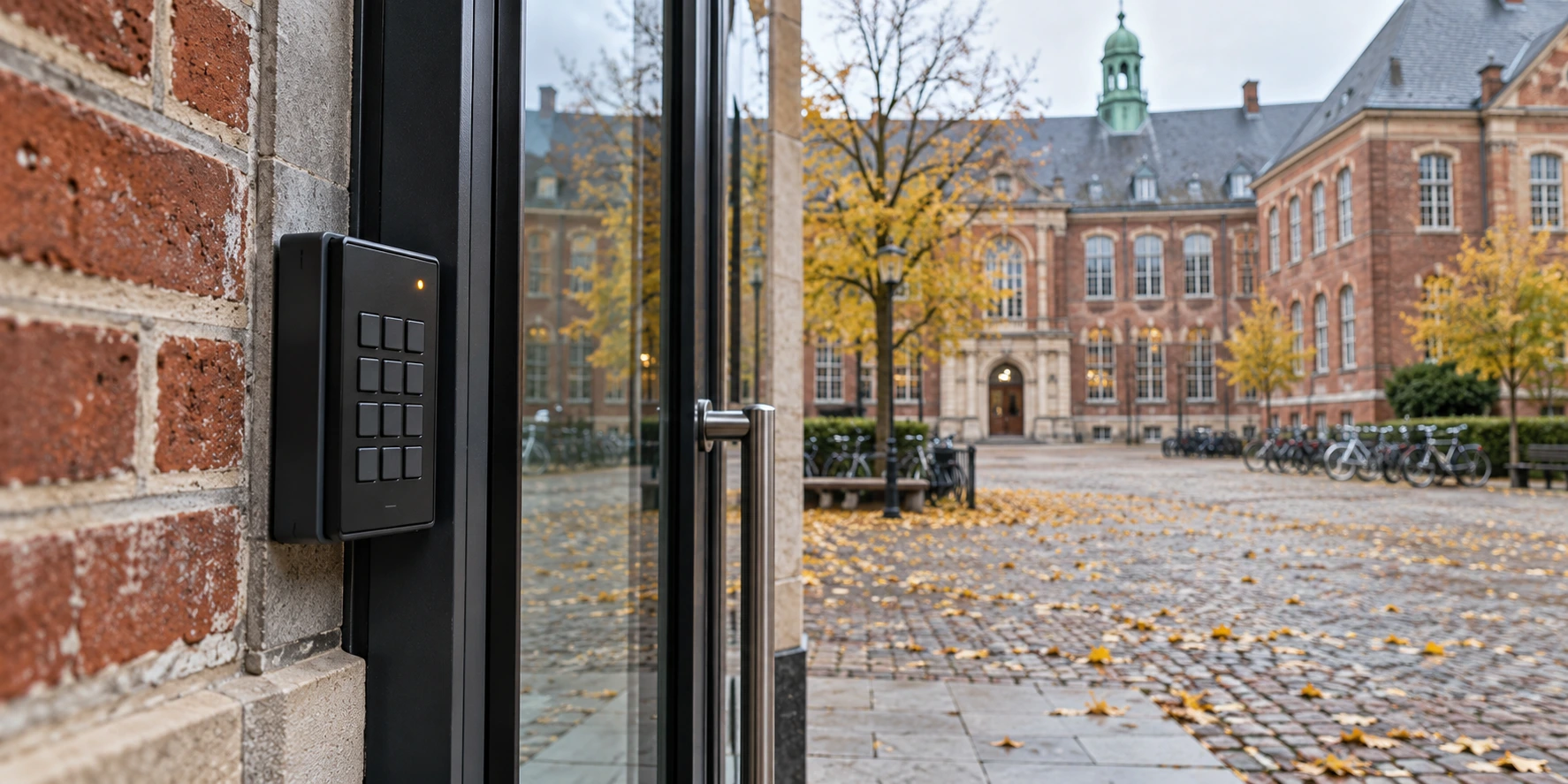
The exposure of PIN codes created concerns about physical access to university facilities. As a precaution, the university restricted entry to certain critical campus locations while it replaced the affected codes.
Meanwhile, staff are gradually reopening those areas as the university distributes new access credentials. The available account does not clarify whether the 20,000 people with exposed PINs overlap with the wider group, so the figures should not automatically be combined.
The University of Copenhagen is Denmark’s oldest university, dating back to 1479. It has approximately 36,800 students and 10,700 employees, although those current population figures do not explain the full composition of the affected dataset.
University Blocks Intrusion and Notifies Regulator
The university says it contained the attack and blocked the intruder’s access. Additionally, it reports no indication that hackers reached systems supporting daily operations or disrupted university activities.
It has notified the Danish Data Protection Agency and says it is taking the appropriate regulatory steps under the General Data Protection Regulation. However, the investigation remains ongoing, and the university has not yet established the complete impact.
These findings distinguish the confirmed intrusion into the test environment from any wider compromise. At present, the available account does not support claims that attackers accessed the university’s operational systems.
Affected People Should Verify Unexpected Requests
Following the Copenhagen data breach, potentially affected students and staff should approach unsolicited communications cautiously. They should independently verify unexpected requests, particularly those seeking credentials, personal information or account access.
The university has promised further updates when its investigation provides more reliable information. Until then, questions remain about the precise scope of exposure and the individuals affected by each category of compromised data.
0 responses to “Copenhagen Data Breach Exposes 525,000 People’s Details”