


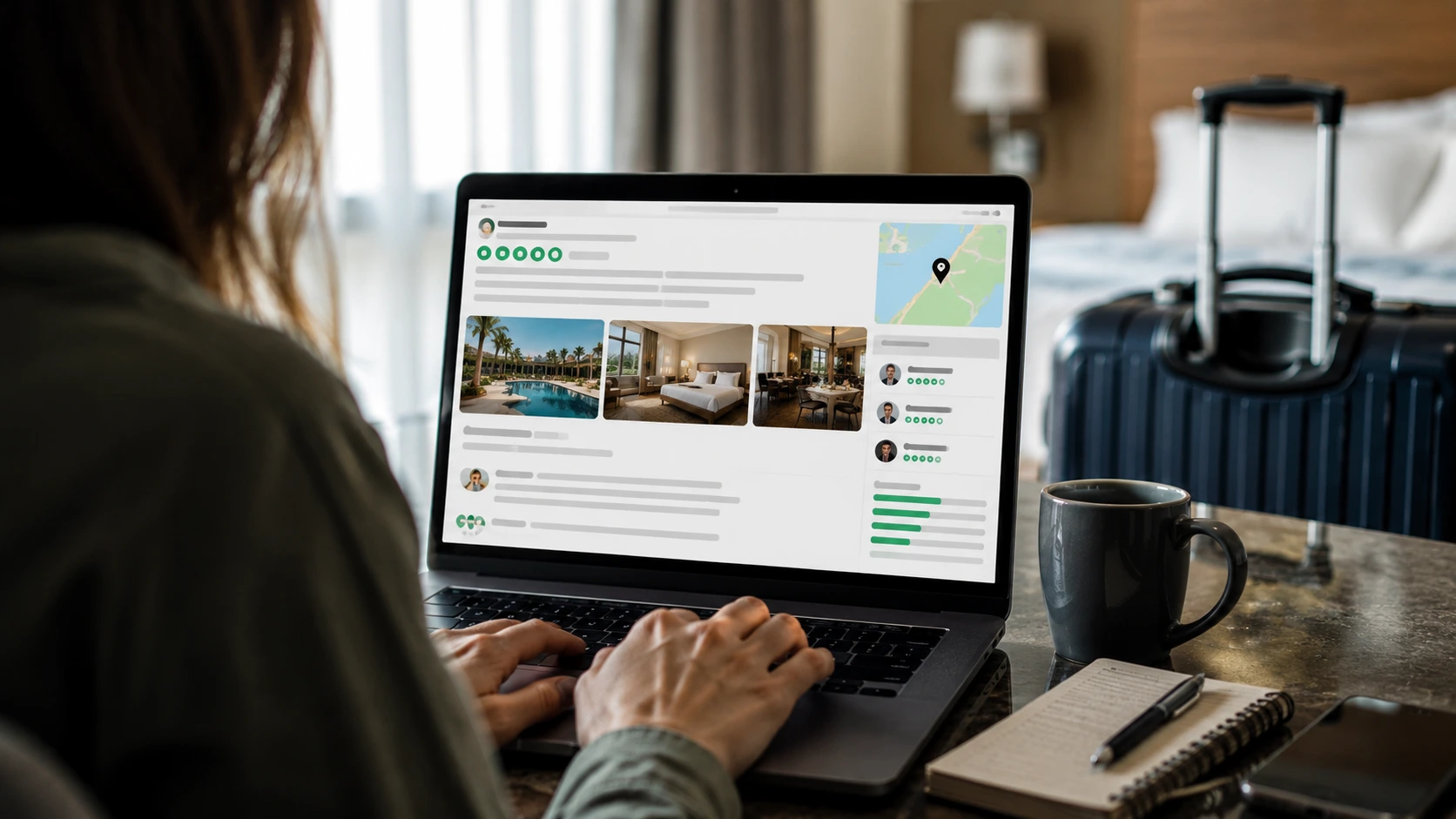
Tripadvisor AI review summaries have come under scrutiny after a UK consumer watchdog claimed they failed to highlight repeated reports of food poisoning, poor hygiene, and sexual harassment at several hotels. According to Which?, the AI-generated overviews often presented an overly positive impression even when guest reviews described serious safety concerns.
The findings also raise fresh questions about how much travelers should rely on AI-generated summaries when choosing accommodation.
Consumer Watchdog Finds Serious Complaints Missing
Which? examined several hotel listings that feature Tripadvisor AI review summaries and compared the generated overviews with the underlying customer reviews.
One of the most striking examples involved the five-star Riu Palace Santa Maria resort in Cape Verde.
Tripadvisor’s AI summary described the hotel as popular with travelers, praised its spacious rooms, highlighted its restaurants, and characterized cleanliness as “spotless.”
However, many recent guest reviews painted a very different picture.
Visitors described poor hygiene, inadequate cleaning standards, and unsafe food. Some reviewers claimed they received undercooked meals, including raw chicken, while others shared photographs showing flies and birds around buffet food. One guest even reported seeing dead mice near a seating area.
Several travelers also said members of their families became seriously ill during their stay.
When Which? reviewed the listing in March, it counted 102 mentions of food poisoning. Between December 2025 and April 2026, the hotel received 32 one- and two-star reviews, with 14 of those reporting suspected food poisoning affecting at least one traveler.
AI Travel Bot Also Missed Hygiene Concerns
Which? also tested Ollie, Tripadvisor’s AI-powered travel planning assistant.
When researchers asked whether travelers faced a risk of food poisoning at the Riu Palace Santa Maria, Ollie responded that food poisoning appeared “quite unlikely” and stated that the resort maintained a strong reputation for hygiene.
Tripadvisor defended both AI tools, telling Which? that its review summaries aim to present balanced feedback drawn from customer reviews.
The company also said Ollie selects reviews based on factors such as detail, recency, language, and context. However, Tripadvisor acknowledged that the chatbot remains under development and confirmed it is investigating several examples highlighted by the consumer watchdog.
Other Hotel Listings Showed Similar Patterns
According to Which?, the Riu Palace Santa Maria was not an isolated case.
The watchdog found similar issues on listings for Garza Blanca in Cancun and Occidental Caribe in the Dominican Republic.
In both cases, Tripadvisor’s AI summaries praised cleanliness or referred only generally to maintenance issues despite multiple guest reviews describing significant hygiene concerns.
Sexual Harassment Reports Received Little Attention
Which? also concluded that Tripadvisor AI review summaries minimized allegations of sexual harassment at some properties.
Several guests who stayed at Kaia Coracesium on Turkey’s Antalya coast reported repeated harassment by male staff members. Reviewers described inappropriate comments, unwanted requests for social media contact, and incidents involving employees following female guests or their daughters.
Despite those accounts, Tripadvisor’s AI summary described the hotel’s service as friendly and referred only briefly to occasional service lapses.
Google Highlighted Safety Concerns More Clearly
Which? compared Tripadvisor’s summaries with Google’s AI-generated review overviews and found notable differences.
For the Riu Palace Santa Maria, Google’s summary warned users about reports of illness and highlighted concerns involving birds around buffet areas.
The comparison also included the Britannia International Hotel in London. Google’s summary referenced reviews describing filthy conditions and poor service while noting the chain’s poor reputation.
Tripadvisor, by contrast, emphasized clean rooms and described the hotel’s atmosphere in positive terms.
Travelers Should Read Full Reviews Before Booking
Rory Boland, editor of Which? Travel, argued that placing AI summaries at the top of hotel listings gives them significant influence over booking decisions.
He urged Tripadvisor to improve the accuracy of both its summaries and chatbot. Until then, he advised travelers to scroll past the AI overview, examine recent one-star reviews, and compare feedback across multiple travel platforms before making reservations.
The findings also reflect a broader challenge facing AI-generated content. Although recent research suggests Google’s AI Overviews provide accurate information in roughly 91% of responses, millions of AI-generated answers every day may still contain errors, omissions, or misleading conclusions.
0 responses to “Tripadvisor AI Review Summaries Accused of Downplaying Serious Safety Complaints”