


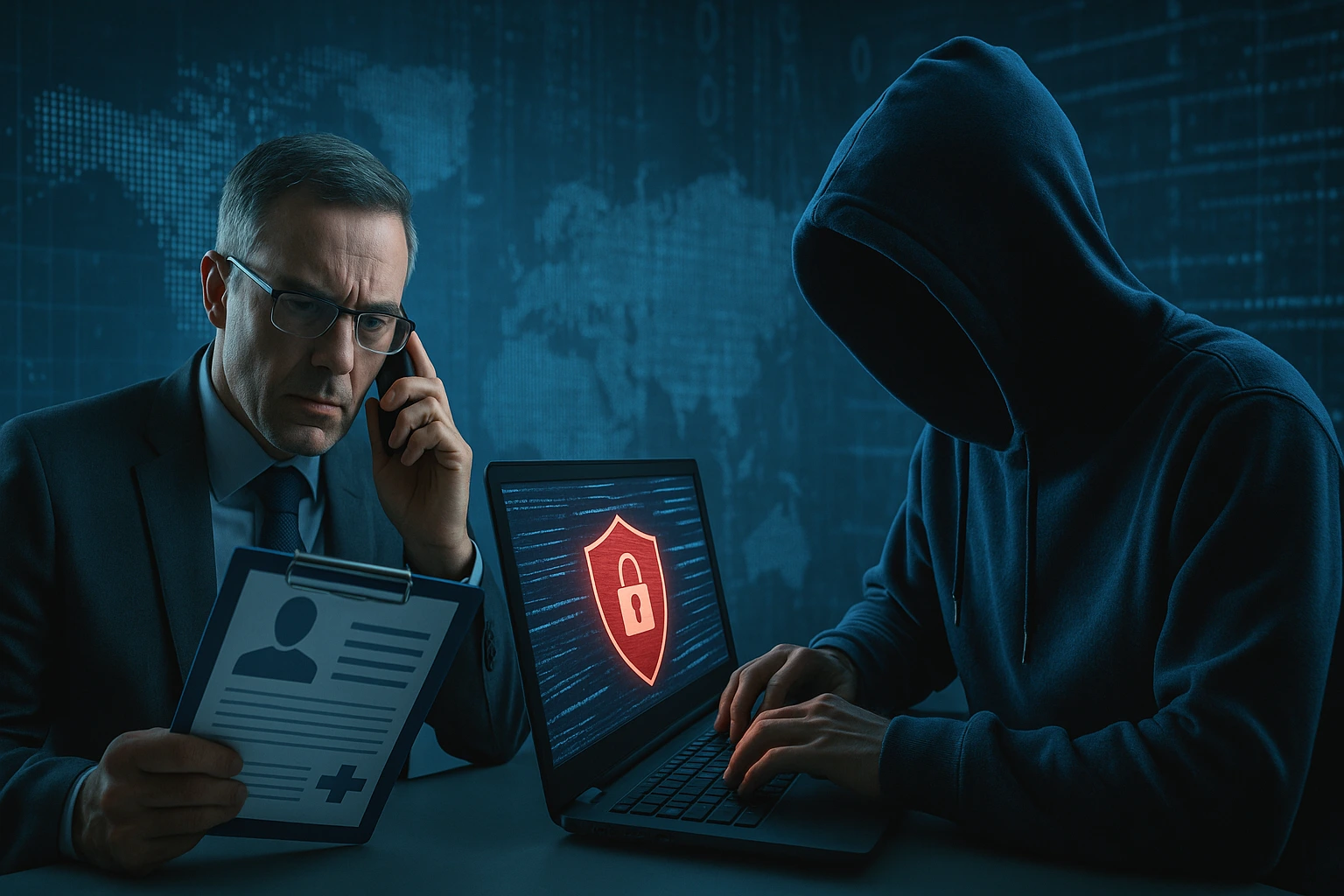
In a recent advisory, the Federal Bureau of Investigation (FBI) raised alarms about a growing cybercrime trend. Cybercriminals impersonate fraud investigators to steal health data. This tactic involves cybercriminals posing as legitimate authorities. They often contact healthcare providers and patients, claiming to conduct fraud investigations. By exploiting trust in official communications, these criminals extract personal health information. That data can then be used for identity theft, financial fraud, or sold on the dark web. The FBI’s warning highlights the urgent need for increased vigilance and strong cybersecurity in the healthcare sector to counter these threats.</p&gt;
Understanding The Tactics: How Cybercriminals Impersonate Fraud Investigators
In an alarming development, the Federal Bureau of Investigation (FBI) has issued a warning about a new cybercrime scheme. Cybercriminals are impersonating fraud investigators to steal sensitive health data. This tactic exploits the trust people place in law enforcement and fraud prevention authorities. It also reflects the evolving methods cybercriminals use to access valuable personal information. Understanding these schemes is crucial for both individuals and organizations to protect against data breaches.
These criminals typically contact victims while posing as legitimate fraud investigators. They use multiple communication channels, including phone calls, emails, and text messages, to appear credible and create a sense of urgency. Once trust is gained, they request verification of personal details. This includes full names, birthdates, and insurance information, all under the guise of investigating fraud or verifying claims.
The Impact Of Health Data Breaches On Individuals And Organizations
<p><p>The FBI has recently issued a warning about a new wave of cybercriminal activities where fraudsters impersonate fraud investigators to steal sensitive
health data. This alarming trend underscores the significant impact of health data breaches on both individuals and organizations. Health data breaches have become increasingly prevalent, and their consequences are far-reaching. For individuals, the theft of personal health information can lead to a myriad of problems, including identity theft, financial loss, and even compromised medical care. When cybercriminals gain access to health data, they can use it to impersonate individuals, open fraudulent accounts, or submit false insurance claims. This can result in victims facing unexpected medical bills, damaged credit scores, and a loss of trust in healthcare institutions. For organizations, breaches can result in legal consequences, regulatory fines, reputational damage, and significant costs related to incident response and system remediation.</p>
FBI’s Role In Combating Cybercrime: Recent Warnings And Actions
The FBI has recently issued a stark warning about a sophisticated scheme. Cybercriminals are impersonating fraud investigators to steal sensitive health data. This alarming development highlights the evolving tactics used by these criminals. It also underscores the FBI’s critical role in combating cybercrime. The agency’s latest warnings and actions show its commitment to protecting both public and private sector entities from these threats.
The scheme involves cybercriminals posing as fraud investigators from legitimate organizations. These include insurance companies and healthcare providers. Their goal is to gain the trust of their targets. By using social engineering techniques, they convince individuals to share personal health information. This data is then used for illicit purposes. The tactic not only compromises the integrity of protected health information. It also emphasizes the urgent need for action, greater public awareness, and stronger collaboration between law enforcement and healthcare providers to prevent future exploitation.</p>
Protecting Your Health Data: Tips To Avoid Falling Victim To Cybercriminals
The FBI has recently issued a warning regarding a new wave of cybercriminal activity targeting individuals’ health data. These cybercriminals are employing sophisticated tactics, including impersonating fraud investigators, to deceive unsuspecting victims into divulging sensitive information. As the digital landscape becomes increasingly complex, it is crucial for individuals to remain vigilant and take proactive steps to protect their health data from falling into the wrong hands.</p>
To begin with, understanding the methods used by these cybercriminals is essential. Typically, they initiate contact through seemingly legitimate phone calls or emails, claiming to be fraud investigators from reputable institutions. By exploiting the trust that people place in such authorities, they manage to extract personal and health-related information under the guise of investigating suspicious activity. By mimicking official procedures and using familiar terminology, they manipulate victims into handing over sensitive records or logging into fake portals designed to capture credentials.</p>
Conclusion
The FBI has issued a warning about cybercriminals impersonating fraud investigators to steal sensitive health data. These criminals exploit trust by posing as legitimate investigators, often using sophisticated techniques to deceive individuals and organizations. This form of impersonation poses significant risks to personal privacy and organizational security, as it can lead to unauthorized access to confidential health information. The FBI advises heightened vigilance and verification of any communications claiming to be from fraud investigators to prevent data breaches and protect sensitive health data. Organizations and individuals should implement robust security measures and awareness training to mitigate these threats.
0 responses to “Cybercriminals Impersonate Fraud Investigators to Steal Health Data, Warns FBI”