


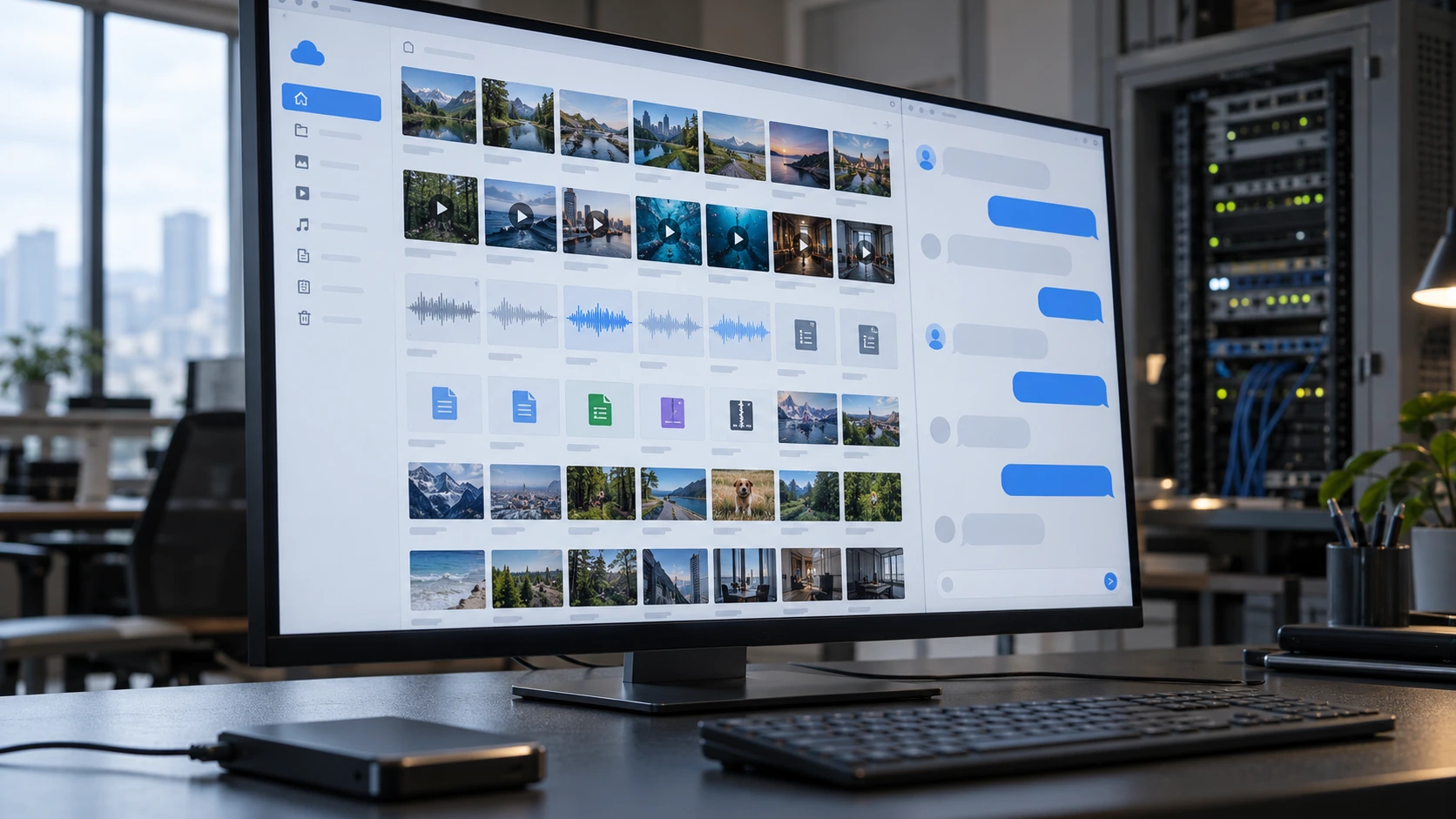
The 302.ai data leak exposed 17.6 million files containing AI conversations, generated media and business documents. Researchers discovered 22.72TB of information in a publicly accessible Azure storage bucket belonging to the AI aggregation service.
The company removed public access after researchers reported the exposure. However, the available findings do not establish how long the files remained accessible. Researchers also found no evidence that malicious actors accessed or downloaded them.
Public Storage Exposed Nearly 23TB of Information
302.ai provides access to multiple AI services through a single platform. Its offerings include models from providers such as OpenAI, Anthropic, Google and others.
Researchers found a large collection of user content in the service’s exposed storage. Images accounted for nearly 9TB, while videos represented approximately 7.7TB and audio files another 5.6TB.
The remaining material included chat logs, documents and archived conversations.
A storage configuration mistake may explain the public access. However, researchers have not confirmed the precise cause, so an accidental exposure remains a likely explanation rather than an established finding.
Chat Logs Contained Personal Details and Conversation History
Among the exposed files, researchers identified more than 144,000 chat logs stored in JSON format.
These records included user prompts, assistant responses, model details, token costs, timestamps and other metadata. Consequently, the exposure revealed both conversation content and information about how customers used the service.
Some logs also contained personal information that users apparently supplied during their conversations. Examples included dates of birth, gender information, contact details and home addresses.
However, the number of exposed files does not establish how many individual users the incident affected. A single person or business could account for multiple records.
Business Chatbot Records Appeared in the Dataset
The 302.ai data leak also affected material associated with enterprise use.
Researchers found several customer support chatbot logs linked to a prominent sex doll manufacturer. The supplied findings do not name the business or establish the full extent of its exposure.
Other documents covered a broad range of subjects, including large language model development research. Some also appeared to be private files that customers had uploaded for analysis.
These findings show that the storage held more than generated entertainment content. It also contained conversations and documents connected to personal matters and business operations.
Archived Conversations Included Uploaded Files
Researchers additionally identified more than 26,000 ZIP archives containing conversation data.
The archives included summaries, user inputs, model outputs and files attached to conversations. As a result, some records could reveal context beyond an isolated prompt or response.
For business users, that context may include details about internal tasks or customer interactions. For individuals, it could expose information contained in documents they submitted to an AI tool.
Nevertheless, the available account does not establish that anyone used these records for malicious purposes.
Exposed Conversations Could Support Targeted Scams
Detailed chat histories could help criminals create more convincing phishing messages or other social engineering attempts.
For example, a conversation may reveal a person’s current concerns, ongoing projects or recent interactions with a company. An attacker could then use that context to make a fraudulent message appear familiar.
Similarly, contact information and uploaded documents could provide additional details for targeted approaches.
These are potential consequences of the exposure, rather than confirmed outcomes. Researchers reported no evidence of malicious access or downloads.
Public Access Removed After Researchers Raised the Alarm
302.ai restricted access to the exposed data after researchers contacted the company. The files are no longer publicly available through the storage location they identified.
However, removing public access does not determine whether anyone previously obtained copies. The available report leaves that question unresolved.
Hong Kong-based Univerads Technology Limited, founded in 2020, develops 302.ai. The incident highlights the responsibility of AI intermediaries to protect the conversations, attachments and business records they store alongside generated content.
0 responses to “302.ai Data Leak Exposes 17.6 Million Files and Private Chats”