


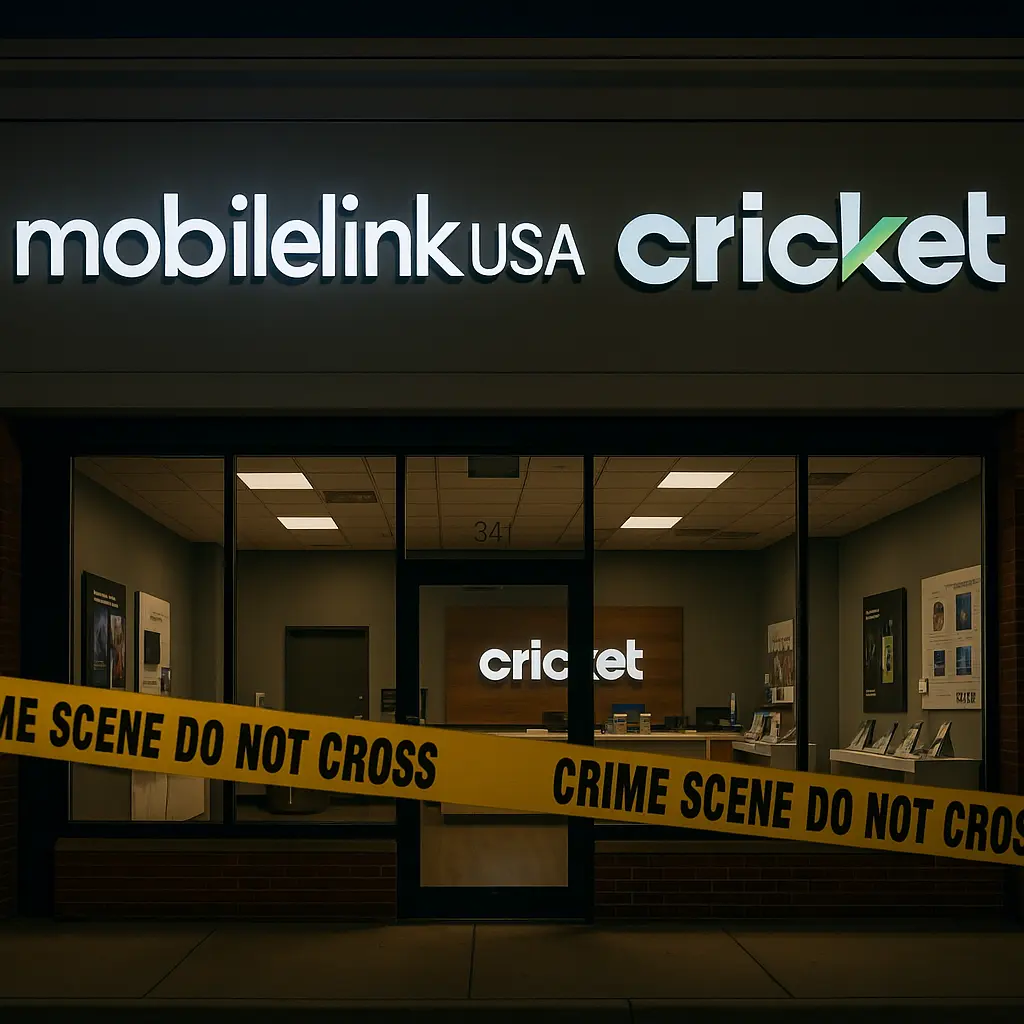
The Mobilelink USA breach has raised serious concerns across the telecommunications sector. Attackers linked to the DragonForce ransomware group claimed responsibility for stealing more than five terabytes of data. Mobilelink USA operates over 550 Cricket Wireless stores, which means the impact may reach customers across 21 states. The Mobilelink USA breach demonstrates how criminal groups target retail partners that handle large volumes of customer information.
How the Attack Unfolded
DragonForce listed Mobilelink USA on its leak site and claimed the company suffered a significant compromise. The group stated that it extracted 5.04 terabytes of confidential data and set a deadline for the company to respond before public release.
The attackers did not initially publish sample files, leaving the exact contents unclear. However, the scale of the breach raised concerns about exposure of personal information connected to customer accounts, store operations and internal systems. Mobilelink USA’s nationwide footprint suggests the potential impact could involve a large number of individuals.
Why the Mobilelink USA Breach Matters
Telecommunications retailers play a major role in customer identity verification, device activation and service management. A breach at this level poses significant risks because attackers may gain access to sensitive customer data.
Key risks include:
- Exposure of personal details stored in retail systems.
- Increased likelihood of identity theft connected to stolen data.
- Potential access to account information used for carrier services.
- Higher risk of targeted phishing using stolen customer records.
- Widespread impact due to Mobilelink USA’s large retail network.
The Mobilelink USA breach also highlights the growing focus on supply-chain vulnerabilities. Criminal groups often target external retailers or service partners because these businesses maintain access to essential customer systems yet operate outside the core infrastructure of larger telecom providers.
Who DragonForce Targets
DragonForce operates as a ransomware-as-a-service group. Affiliates launch attacks using infrastructure provided by the core operators. This structure allows attackers to scale campaigns quickly while remaining difficult to track.
Research shows the group targets:
- Retailers with access to customer databases.
- Service providers connected to large brands.
- Organizations with decentralized networks.
- Vendors relying on older internal systems.
- Businesses with high customer volume and extensive support operations.
The Mobilelink USA breach fits this pattern. The company’s large retail presence and connection to Cricket Wireless created an ideal target for attackers seeking valuable data.
Defensive Measures for Telecom Retailers
Security teams at telecom retailers and partner organizations can reduce exposure by strengthening internal controls and improving detection systems. Recommended actions include:
- Monitor internal networks for abnormal data movement.
- Restrict employee access using least-privilege permissions.
- Store customer information in segmented environments.
- Maintain secure backups isolated from internal networks.
- Run regular audits to identify hidden vulnerabilities.
- Build a response playbook for customer-data exposure events.
These steps help organizations identify threats earlier and respond before attackers extract large volumes of information.
Conclusion
The Mobilelink USA breach demonstrates how ransomware groups exploit retail networks that support major telecommunications providers. DragonForce used aggressive tactics and claimed to steal a significant amount of sensitive data. Telecom retailers and service partners must treat their infrastructures as high-value targets and strengthen their defenses. Rapid detection, strong access controls and proactive security planning now play a critical role in limiting damage during large-scale attacks.
0 responses to “Mobilelink USA Breach Exposes Data After Major DragonForce Attack”