


Category: Phishing Attacks
-
Voice phishing attacks are becoming a serious threat to corporate networks. Attackers no longer rely only on technical exploits. They now use real-time phone calls to manipulate employees and gain access to sensitive systems. This shift shows that human interaction has become a primary entry point in modern cyberattacks. Voice Phishing Activity Continues to Rise…
-

Attackers are increasingly abusing trusted cloud services to deliver phishing attacks. The Azure Monitor phishing campaign shows how legitimate alert systems can be turned into convincing scam tools. Instead of relying on spoofed emails, threat actors are using real infrastructure to reach targets directly. Attackers Abuse Azure Monitor Alerts The campaign uses Azure Monitor, a…
-
A new wave of targeted attacks is shifting focus away from breaking encryption and toward exploiting users. The Signal phishing campaign, linked to Russian intelligence, shows how secure messaging platforms can still be compromised through account takeover. Instead of attacking the technology, threat actors are targeting how people use it. Targeted Campaign Focuses on Account…
-

The Nordstrom phishing breach shows how attackers can turn trusted systems into powerful attack tools. Customers received scam emails that appeared completely legitimate because they came from real company infrastructure. This incident highlights a growing shift in cyberattacks, where threat actors focus on internal platforms instead of external vulnerabilities. Attackers Used Legitimate Email Channels Hackers…
-

A recent cyber incident highlights the growing danger of social engineering attacks inside workplace communication platforms. The Microsoft Teams vishing attack shows how easily threat actors can exploit employee trust. Attackers used a voice-phishing tactic combined with Microsoft Teams to impersonate internal IT staff. The attackers contacted employees and convinced them they were assisting with…
-
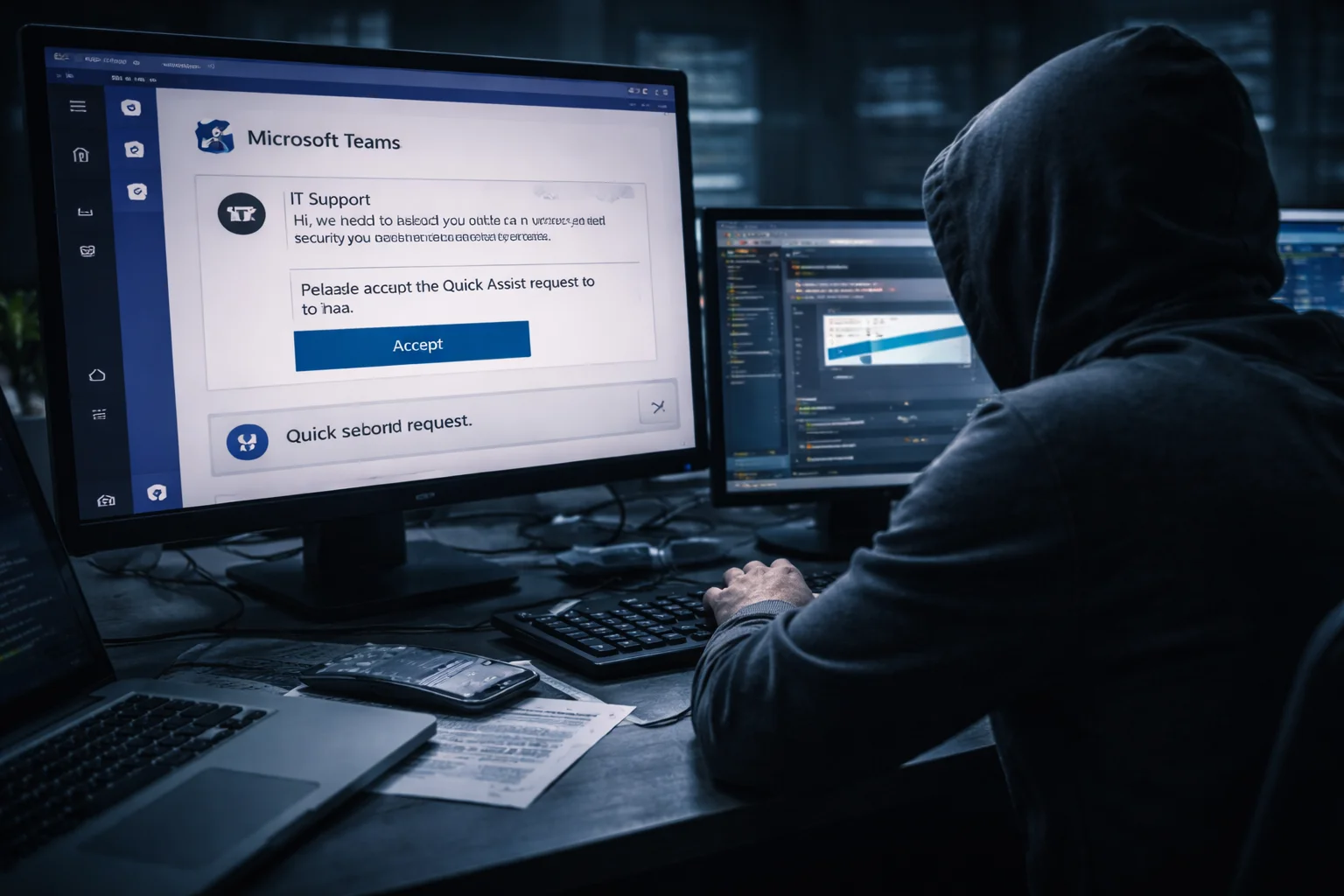
A new Microsoft Teams phishing campaign targets employees by impersonating internal IT support staff and convincing victims to grant remote access to their systems. Attackers contact workers through Microsoft Teams and claim they need to resolve technical issues affecting the employee’s account. Once victims allow the remote session, the attackers deploy malware that gives them…
-

The FBI has warned about a zoning permit phishing scam that targets property owners, contractors, and businesses involved in building or zoning applications. Criminals impersonate city or county planning officials and send emails that demand payment for fake permit fees. These messages attempt to convince victims that they must pay outstanding charges before authorities approve…
-
Phishing victim refunds could soon become a legal requirement across the European Union. A senior legal adviser to the Court of Justice of the European Union has stated that banks must reimburse customers immediately after unauthorized transactions caused by phishing attacks. The opinion strengthens consumer protections under EU payment rules. It argues that victims should…
-
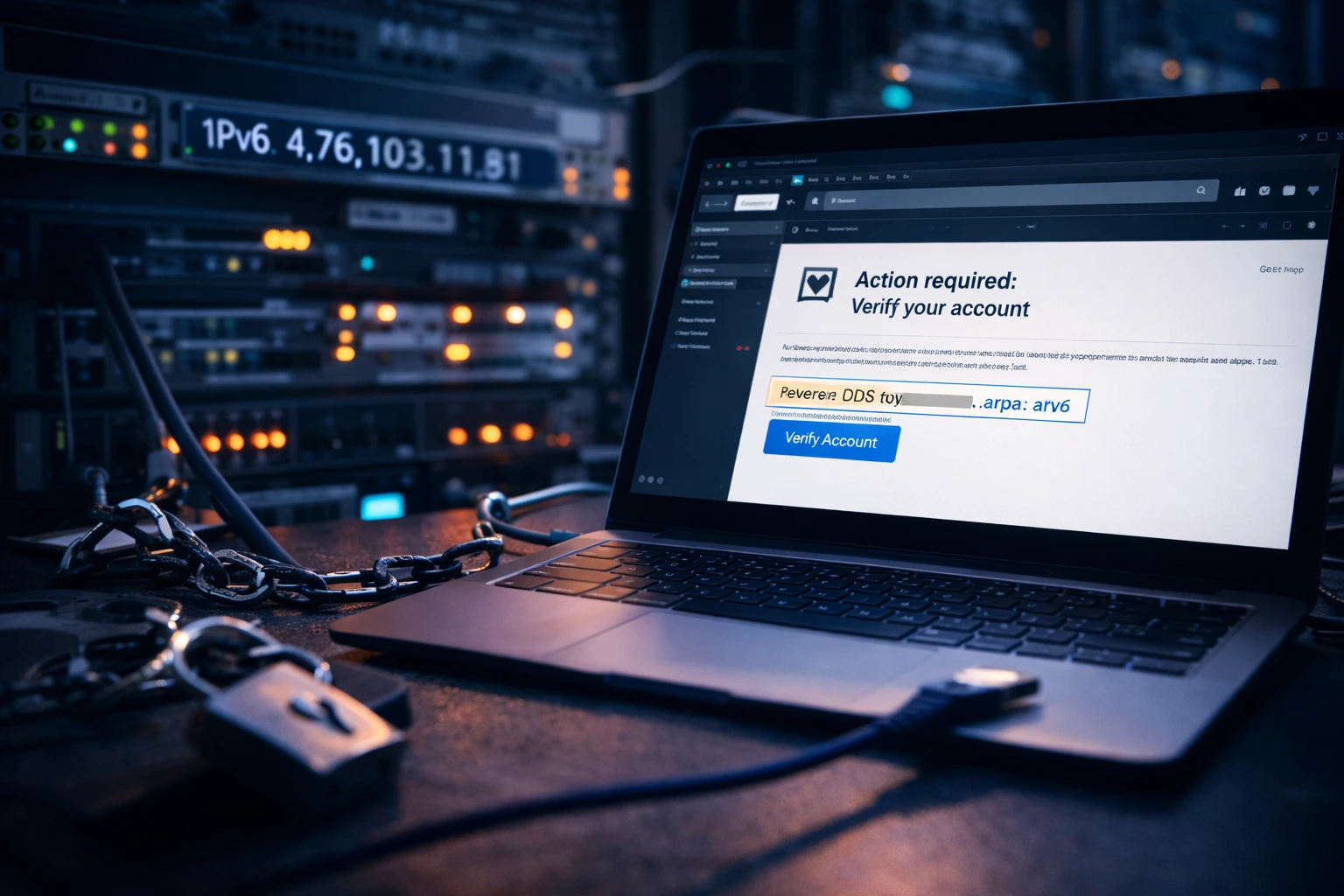
Security researchers have uncovered a new phishing technique that exploits overlooked parts of the internet’s infrastructure. The .arpa phishing attack abuses reverse DNS records and IPv6 addressing to bypass traditional phishing detection systems. By manipulating infrastructure domains normally used for network operations, attackers can hide malicious links inside emails and evade common security filters. The…
-
Researchers have uncovered a phishing operation that exploits a politically sensitive topic to steal login credentials. The ICE cover phishing campaign sends deceptive emails claiming that automated marketing messages will soon include a donation button supporting US Immigration and Customs Enforcement. The emails instruct recipients to log in to their accounts to disable the supposed…