


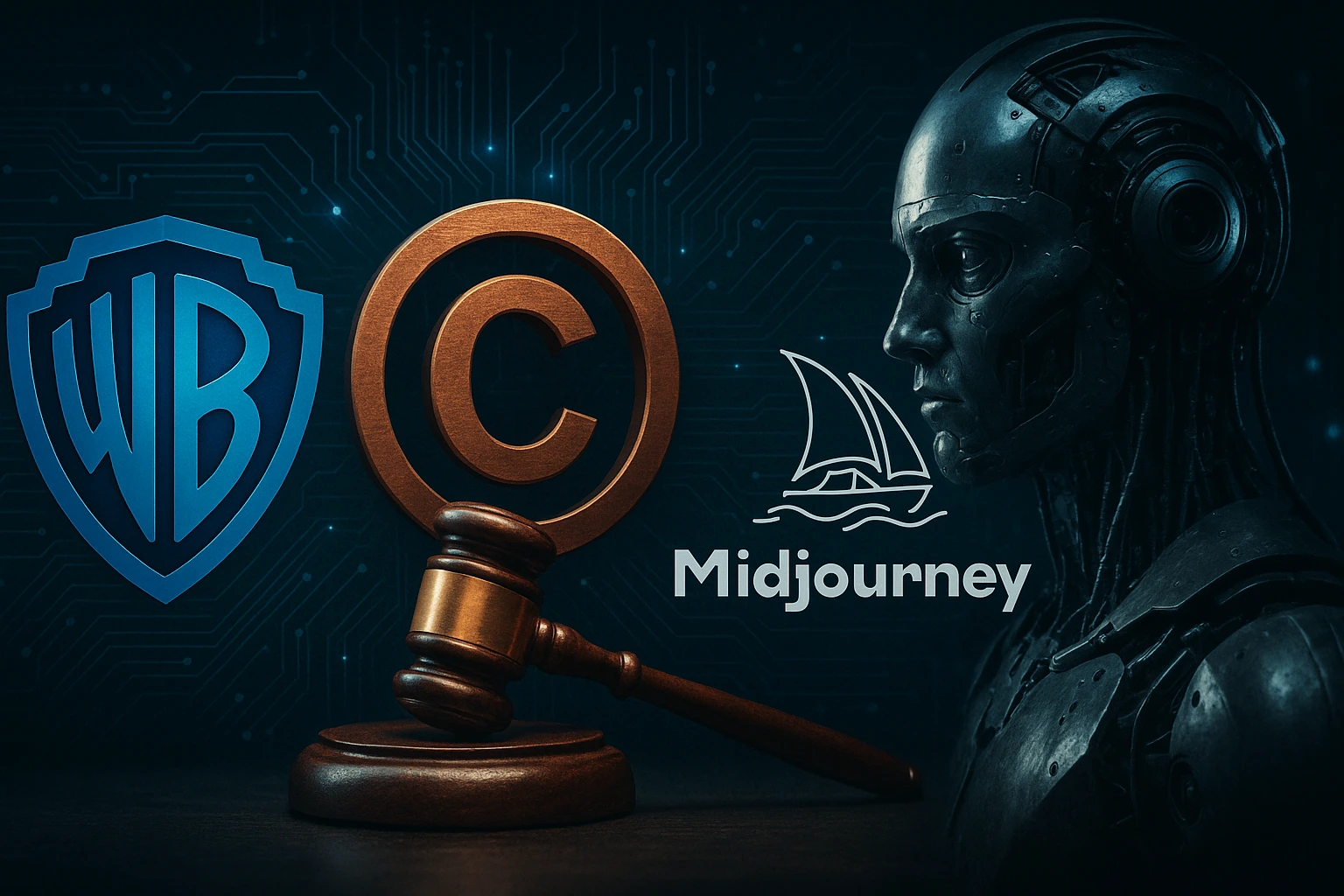
The Warner Bros Midjourney lawsuit highlights a major clash between Hollywood studios and AI developers. Warner Bros. Discovery accuses Midjourney of unlawfully using its characters, including Superman, Batman, and Scooby-Doo, to train and generate AI-created images. This case reflects growing industry pressure on AI companies to respect copyright boundaries.
Warner Bros’ Allegations
On September 4, 2025, Warner Bros. filed its complaint in a Los Angeles federal court. The studio alleges that Midjourney:
- Used unauthorized copies of its works for AI training.
- Removed safeguards that once blocked users from generating copyrighted characters.
- Enabled the creation of images and videos featuring Superman, Wonder Woman, Bugs Bunny, and other iconic figures.
Warner Bros seeks damages of up to $150,000 per infringed work, alongside profits generated from unauthorized content. The lawsuit also requests injunctions to stop further violations.
Midjourney’s Position
Midjourney has previously defended itself by invoking the fair use doctrine. The company argues that training AI on publicly available images is transformative, similar to how search engines index content. However, courts have yet to deliver consistent rulings on whether this reasoning applies to generative AI models.
Broader Industry Context
This lawsuit follows earlier actions by Disney and Universal, which also accused Midjourney of large-scale infringement. The growing wave of lawsuits underscores the entertainment industry’s determination to defend its intellectual property against AI developers.
If Warner Bros prevails, the outcome could reshape AI practices by forcing:
- Licensed or public-domain training data only.
- Stronger safeguards against reproducing copyrighted characters.
- Stricter compliance to reduce liability risks.
Why It Matters
The case represents a pivotal moment in balancing innovation with copyright law. Entertainment studios want to protect creative works, while AI firms seek to innovate using vast datasets. The ruling could set new precedents for how AI tools are built and used.
Conclusion
The Warner Bros Midjourney lawsuit shows the rising tension between AI innovation and copyright enforcement. As more entertainment giants pursue legal action, the courts will play a decisive role in shaping the future of generative AI. The outcome will likely influence not only Midjourney but also the broader AI industry.
The Warner Bros Midjourney lawsuit highlights a major clash between Hollywood studios and AI developers. Warner Bros. Discovery accuses Midjourney of unlawfully using its characters, including Superman, Batman, and Scooby-Doo, to train and generate AI-created images. This case reflects growing industry pressure on AI companies to respect copyright boundaries.
Warner Bros’ Allegations
On September 4, 2025, Warner Bros. filed its complaint in a Los Angeles federal court. The studio alleges that Midjourney:
- Used unauthorized copies of its works for AI training.
- Removed safeguards that once blocked users from generating copyrighted characters.
- Enabled the creation of images and videos featuring Superman, Wonder Woman, Bugs Bunny, and other iconic figures.
Warner Bros seeks damages of up to $150,000 per infringed work, alongside profits generated from unauthorized content. The lawsuit also requests injunctions to stop further violations.
Midjourney’s Position
Midjourney has previously defended itself by invoking the fair use doctrine. The company argues that training AI on publicly available images is transformative, similar to how search engines index content. However, courts have yet to deliver consistent rulings on whether this reasoning applies to generative AI models.
Broader Industry Context
This lawsuit follows earlier actions by Disney and Universal, which also accused Midjourney of large-scale infringement. The growing wave of lawsuits underscores the entertainment industry’s determination to defend its intellectual property against AI developers.
If Warner Bros prevails, the outcome could reshape AI practices by forcing:
- Licensed or public-domain training data only.
- Stronger safeguards against reproducing copyrighted characters.
- Stricter compliance to reduce liability risks.
Why It Matters
The case represents a pivotal moment in balancing innovation with copyright law. Entertainment studios want to protect creative works, while AI firms seek to innovate using vast datasets. The ruling could set new precedents for how AI tools are built and used.
Conclusion
The Warner Bros Midjourney lawsuit shows the rising tension between AI innovation and copyright enforcement. As more entertainment giants pursue legal action, the courts will play a decisive role in shaping the future of generative AI. The outcome will likely influence not only Midjourney but also the broader AI industry.
0 responses to “Warner Bros Midjourney Lawsuit Targets AI Over Copyrighted Characters”