


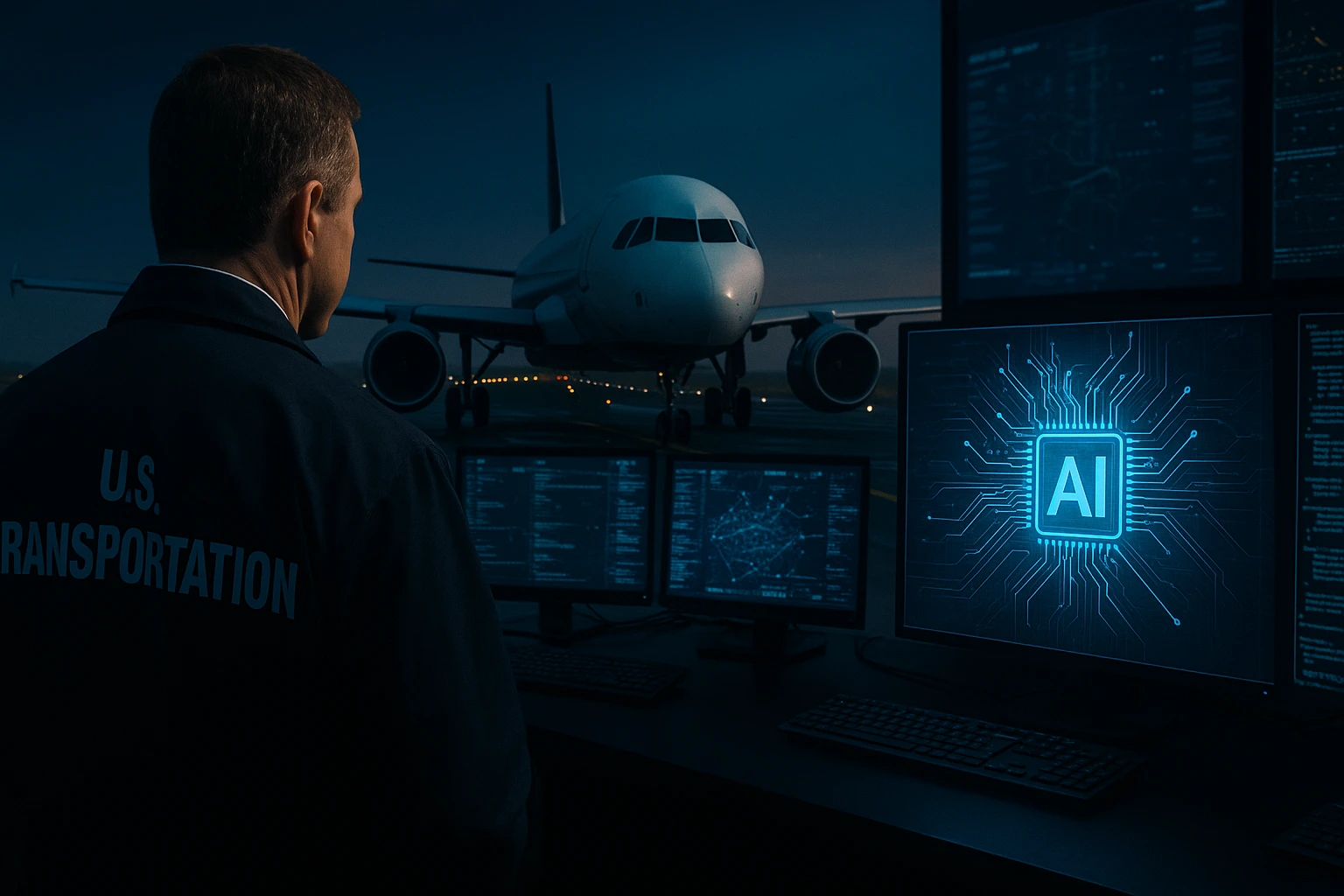
The U.S. Transportation Department has announced plans to investigate whether airlines are using AI to personalize ticket prices based on individual characteristics. The department warned that any airline found setting fares by tracking consumer income, browsing behavior, or purchase history could face regulatory action.
Government Concern Over AI Pricing
Transportation Secretary Sean Duffy stated that the department will not tolerate pricing models that exploit personal data. Using AI to predict a traveler’s willingness to pay based on behavioral or demographic signals could lead to discrimination and unfair pricing practices.
This announcement follows growing public concern about algorithmic pricing in travel, e-commerce, and digital advertising. Consumers and lawmakers fear AI systems may charge higher fares to certain people without transparency or consent.
Airline Practices Under Scrutiny
Airlines have begun deploying AI to optimize revenue management and predict demand. While some companies insist they only use aggregated market data—such as route popularity, booking windows, or seasonal trends—federal regulators want to ensure those systems do not quietly incorporate sensitive personal signals.
The Transportation Department emphasized that tailoring prices to individual users, rather than general market trends, would violate fair pricing principles.
Proposed Legislation Against AI Price Discrimination
Several lawmakers have introduced new legislation aimed at banning AI-based price personalization that leverages personal data. The proposed bill would also apply to other industries using AI for wage setting or consumer profiling.
Supporters argue the move is necessary to prevent companies from turning personal data into a pricing weapon, especially when customers have no way to opt out or challenge the algorithm’s conclusions.
Industry Response and Public Reaction
Some airline executives argue that AI improves efficiency and lowers costs by matching supply with demand. They say using data to forecast booking trends helps prevent price spikes and empty seats. However, public reaction to recent announcements has included calls for more oversight, better transparency, and guaranteed human control over final pricing decisions.
Consumer advocacy groups continue to push for clear disclosures on how AI influences fares and what data companies collect.
Conclusion
The US Transportation investigation into AI pricing practices signals growing concern about how AI affects consumers. While the airline industry defends its use of data for demand forecasting, regulators are drawing a clear line: individualized pricing based on personal traits will not go unchallenged. As AI systems evolve, transparency, fairness, and accountability will remain central to the debate.
0 responses to “US Transportation Investigating AI Airline Pricing Practices”