


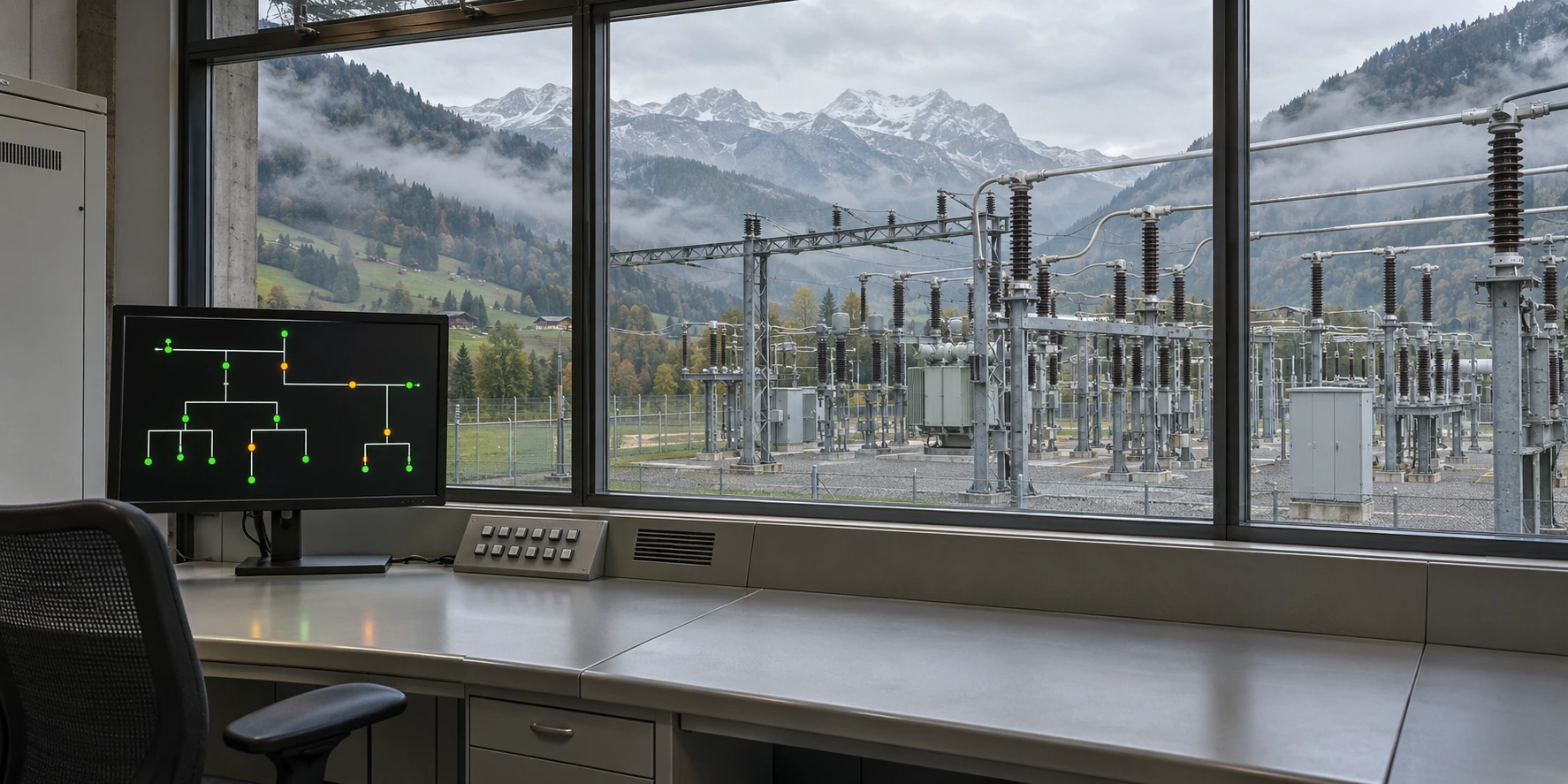
AI-driven cyberattacks have hit organizations in Italy and Switzerland, prompting cybersecurity agencies in both countries to warn critical infrastructure operators. Italian investigators saw multiple AI agents compromise systems within hours, while Swiss officials received their first reports of successful attacks involving AI agents.
Switzerland’s National Cyber Security Center said the incidents affected organizations and critical infrastructure operators across at least two sectors. In every case reported to the agency, attackers gained access to the victim’s IT systems. The Swiss warning identified weak passwords and known vulnerabilities in systems accessible from the internet.
Italian investigators saw five AI agents share tasks
Italy’s national incident response team, CSIRT Italia, documented large-scale campaigns in which several agents worked at the same time. In one case, a coordinator divided the work among five agents. Across the campaigns, investigators saw agents adjust their activity as they encountered different conditions on the networks they targeted.
Some of the weaknesses the team identified would have had limited impact on their own. In combination, however, software flaws, configuration errors and compromised credentials allowed intruders to reach internal networks. For defenders, that finding matters because a flaw that appears minor on one server can put other systems within reach.
Swiss investigators also noted how quickly the tools behind AI-driven cyberattacks have become available. According to the Swiss agency, the number of publicly available AI agents that criminals could use had nearly doubled since October. Many of those tools were free. The agencies named four security testing frameworks in connection with recent incidents, including ARTEX AI and PentAGI.
Swiss agency urges operators to patch within 24 hours
Both agencies asked administrators to review which systems need to remain accessible from the internet. Italy urged operators to close unused remote management interfaces and prioritize fixes for vulnerabilities that attackers already exploit. It also advised teams to monitor where sign-ins originate, which internal systems public-facing servers contact and where those servers send traffic.
The Swiss agency gave operators a specific target for internet-facing systems. It recommended installing fixes for critical vulnerabilities within 24 hours of release. It also urged organizations to protect accounts with multifactor authentication or passkeys and give each account only the access it needs.
0 responses to “AI-driven cyberattacks prompt Swiss and Italian warnings”