


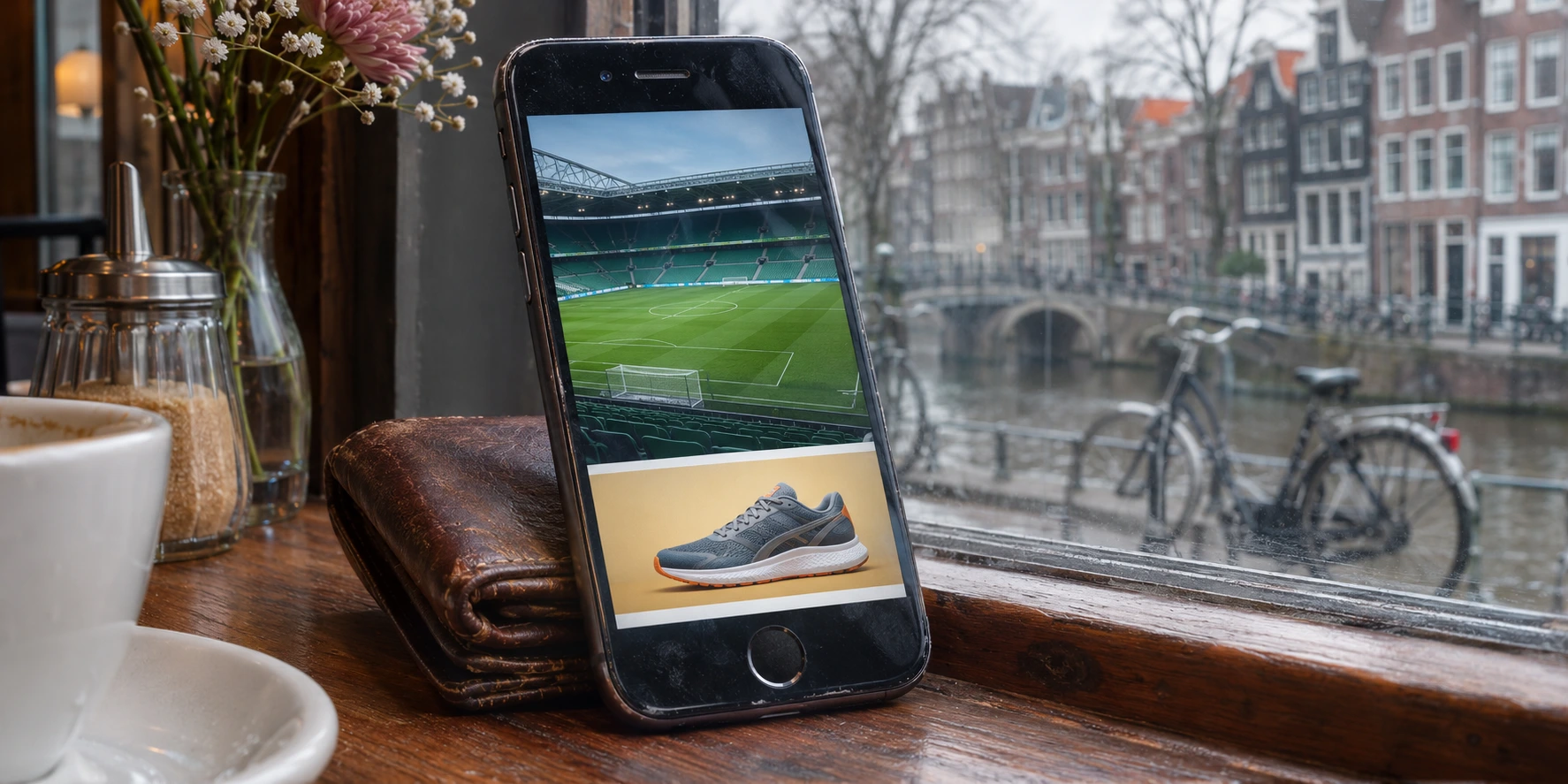
Older iPhones running outdated versions of iOS came under attack in November when at least 12 Dutch websites served malicious code through their advertising provider. Simply opening an affected page could trigger an attempt to access the phone, even if the reader never tapped an ad.
A football fan checking scores and a runner reading training advice could encounter the same code. The affected sites included football publications VI.nl, VoetbalPrimeur and VoetbalNieuws, as well as Bright, Scientias, Autoblog and GeenStijl. Men’s Health, Women’s Health and Runner’s World also used the compromised advertising service.
How one advertising provider exposed readers across sites
The publishers had one supplier in common. PXR NextDay managed advertising for all of them. According to VI.nl, someone gained unauthorized access to the provider’s ad management system and changed a shared advertising tag. That single change allowed the code to reach readers across multiple publications.
When a reader opened an affected page, the code sent the attackers basic details about the visit. These included the reader’s IP address, the page they viewed and the site that referred them. It also collected the device’s screen dimensions, language setting and operating system.
For some visitors, the risk went further. The code targeted older iPhones, including the iPhone 6s, 7, 8, X, XR, XS and first-generation SE. If a phone ran a vulnerable version of iOS, a successful attack could expose saved passwords, app logins and cryptocurrency wallet keys. Messages, photos and contacts were also potentially within reach. The publishers have not said how many phones, if any, the attackers successfully compromised.
Publishers trace the first incident to November 1
The first known period of exposure began on November 1 and continued into November 3. The publishers identified a separate injection on November 3, then detected another unauthorized change on November 11. They have yet to establish what that last change contained or whether it affected readers.
The publishers have since removed the malicious code. PXR NextDay says it has also fixed the weakness in its advertising system that allowed the unauthorized changes.
0 responses to “Older iPhones face attacks on at least 12 Dutch websites”