


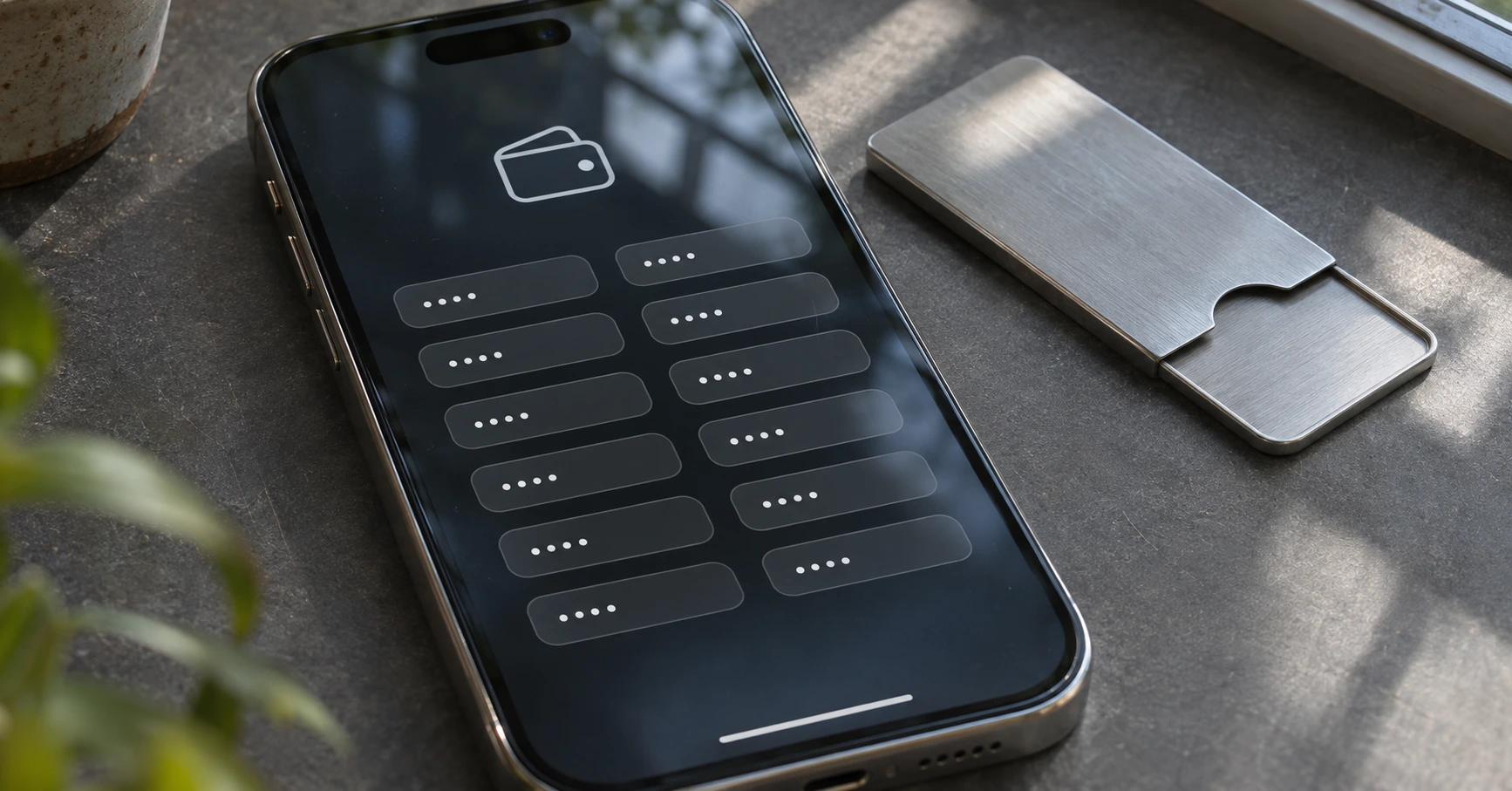
An iOS wallet flaw could let a malicious iPhone app read private files that belong to other apps, Binance warned on November 10. The exchange identified iOS 26.7.1, 27.0.1 and 27.2 as affected versions and said it had no confirmation of any cryptocurrency losses linked to the flaw.
How the flaw puts wallet data at risk
On an iPhone, each app normally keeps its local files in a separate storage area. That separation, known as sandboxing, prevents one app from opening another app’s private files. However, a publicly disclosed technique called worse_query can cross that boundary on the three iOS versions Binance named.
For wallet owners, the risk depends on what an app keeps in its local files. A seed phrase lets someone restore a wallet on another device, while a private key lets its holder authorize transactions. The iOS wallet flaw could expose either secret if a wallet app stores it in a file that a malicious app can read.
The warning also extends beyond cryptocurrency. Because the weakness affects iOS itself, an app could potentially read login credentials that other apps store on the same phone. A public demonstration showed that an app installed on an affected iPhone could access another app’s files without a jailbreak.
Binance advises users to update their iPhones
Binance urged users to install the latest iOS update, update their apps and remove apps they no longer need or trust. For anyone who suspects an app has already accessed their wallet secrets, the exchange gave more specific advice. It recommended creating a new wallet on a clean device, transferring funds to that wallet and resetting all active login sessions.
Apple released iOS 27.2.1, 26.7.3 and 18.7.12 on November 9 to address nine security flaws. One of those flaws, CVE-2026-113963, could allow an app to access sensitive user data through an Apple feature called App Intents. However, at the time of Binance’s warning, Apple had yet to confirm whether that fix also addressed worse_query.
0 responses to “iOS wallet flaw puts crypto recovery phrases at risk”