


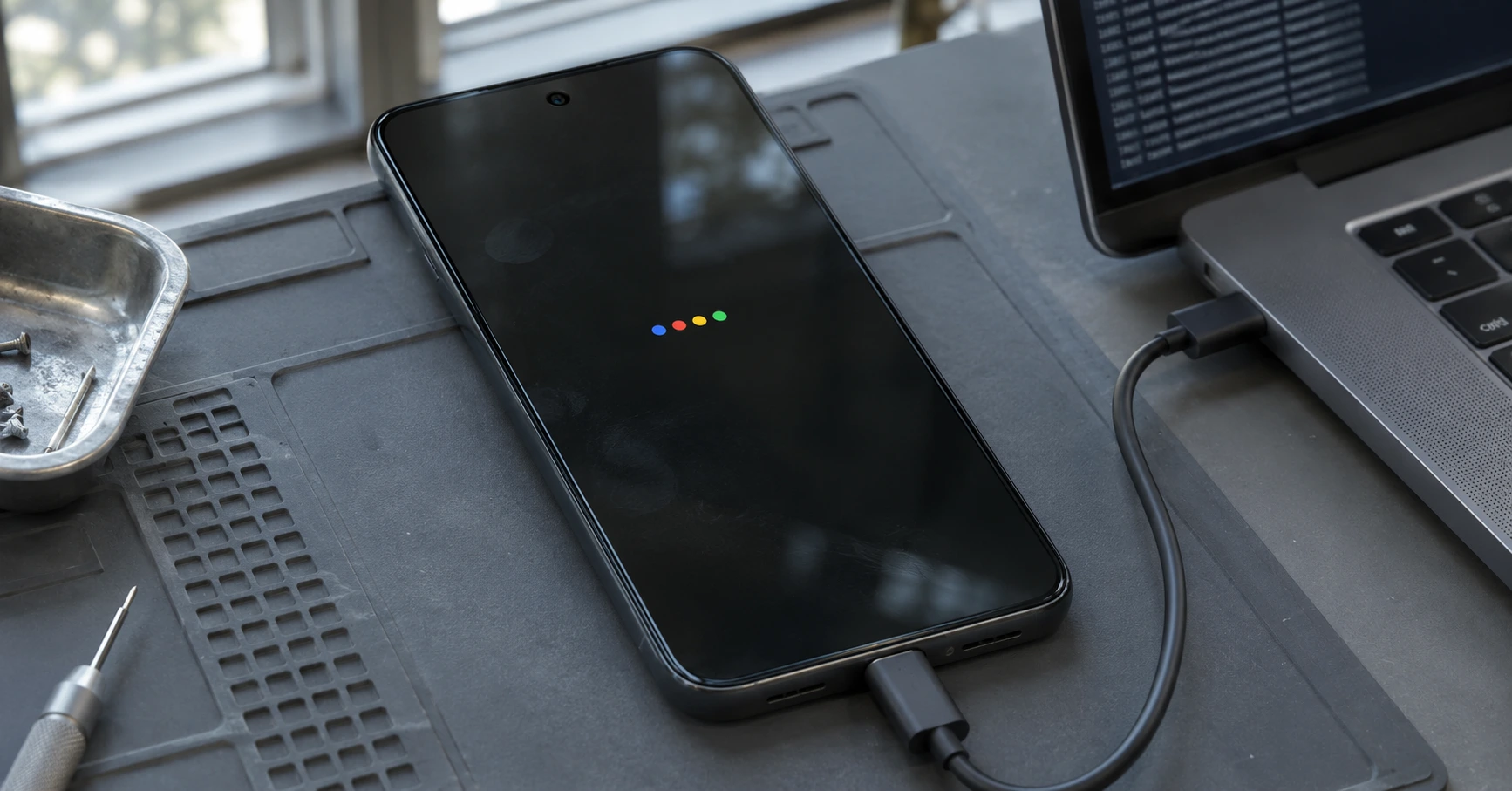
The GhostMap Android flaw can trap a phone in a persistent boot loop as soon as a user installs a malicious app. In findings it published on November 5, Bitdefender showed that its test app crashed a Pixel 10 within about a second of installation, before anyone opened it or granted it permissions.
Why Android crashes before the app ever runs
Bitdefender discovered the flaw while investigating an Android banking trojan. Its emulators kept crashing whenever they tried to read one of the app’s resources. Researchers traced the failure to two Android libraries that interpret ZIP compression methods differently when processing an Android application package, or APK.
Because the libraries disagree about how to read an entry, a malformed package can pass Android’s size checks. Android then maps a section of the file into memory as though the file contains more data than it actually does. When a process tries to read beyond the end of the file, it crashes.
To demonstrate the GhostMap Android flaw, researchers built an app containing no executable code. Instead, they placed the malformed data in a resource that system_server, a core Android service, reads automatically after installation. Each time the service restarted, it tried to read the same resource and crashed again.
Safe mode also fails to stop the crashes
Bitdefender tested the app on a Pixel 10 running Android 17 with the August 5 security patch. Researchers recorded 110 crashes in normal mode and another 72 in safe mode. Although safe mode usually helps users troubleshoot a faulty app, the core service still tried to read the resource.
The researchers identified two ways to recover the phone. A factory reset stopped the loop but erased all locally stored data. Alternatively, researchers could use Android Debug Bridge (ADB) to delete the malformed file, provided the device already had debugging enabled. Even then, the removal script had to act before the service crashed again.
Google leaves a fix for future consideration
Bitdefender first reported the issue to Google on August 20. According to the researchers, Google closed the report after it could not reproduce the problem. Bitdefender submitted a more detailed report on August 25, but Google still considered the issue outside the scope of a security update and left it open for a possible future change.
At the time of disclosure, Google had yet to release a patch. Bitdefender said third-party security software could warn users about a suspicious package during installation, but those tools lack permission to block the installation themselves.
0 responses to “GhostMap Android flaw traps Pixel phone in a boot loop”