


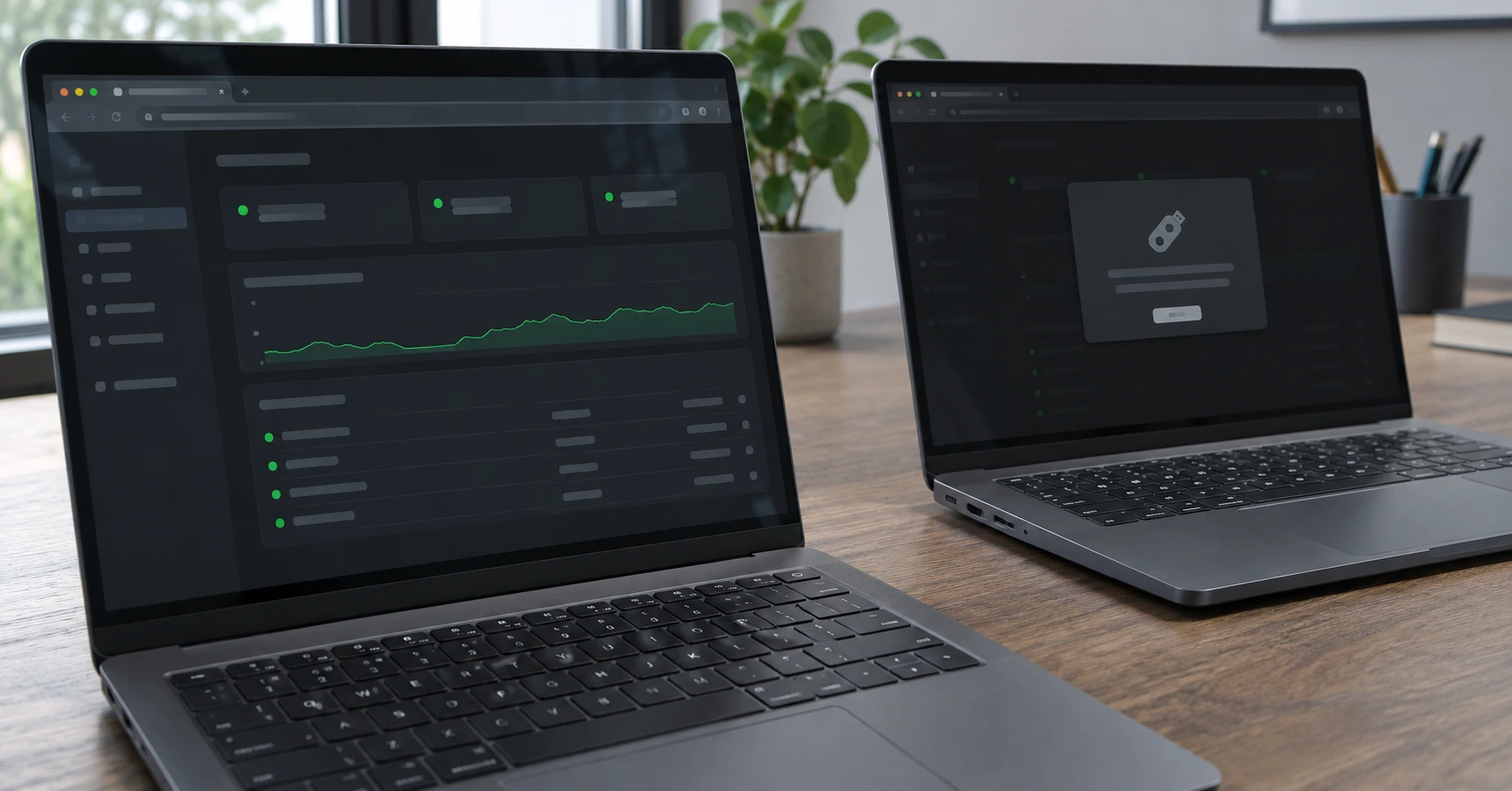
Vercel has begun rolling out device-bound sessions to stop attackers from using stolen login cookies to maintain access to developer accounts from another computer. The change applies to the Vercel dashboard, where developers manage projects and deploy websites, applications and AI agents.
How device-bound sessions protect dashboard logins
A session cookie lets a browser stay signed in as a developer moves between projects. If information-stealing malware copies that cookie, an attacker may be able to reuse it on another computer and open the dashboard without entering the account password.
Vercel is adopting Device Bound Session Credentials (DBSC) to limit that risk. According to chief technology officer Malte Ubl, the browser uses a private key that the original device keeps in protected hardware. When the browser needs to renew the session, it uses that key to prove it still holds the credential. An attacker who copies the cookie to another machine lacks the key needed to renew access there.
The feature complements Chrome’s App-Bound Encryption, which makes it harder for malware to extract cookies in the first place. Device-bound sessions add protection if an attacker manages to copy one. For now, Vercel supports the feature in Chrome on Windows and macOS. The company is introducing it gradually while it checks how the change affects applications that use OAuth. Separately, Vercel is rolling out a related protection called DPoP for its command-line tool.
Security Review checks GitHub code changes
Earlier in the week, Vercel opened its Security Review feature to Pro and Enterprise teams in public beta. Once a team enables it for a connected GitHub repository, Vercel Agent checks code changes after each push. It can flag issues such as an exposed secret or a missing authorization check that could let a user access a restricted resource.
Teams can also define policies for the agent to apply during reviews. If its permissions allow, the agent can validate a proposed fix and commit the change. Vercel says scans are free until November 10, 2026, and it charges separately for agent-generated fixes. According to Ubl, Vercel’s security team used the feature internally for about two months before the public beta.
0 responses to “Vercel targets stolen cookies with device-bound sessions”