


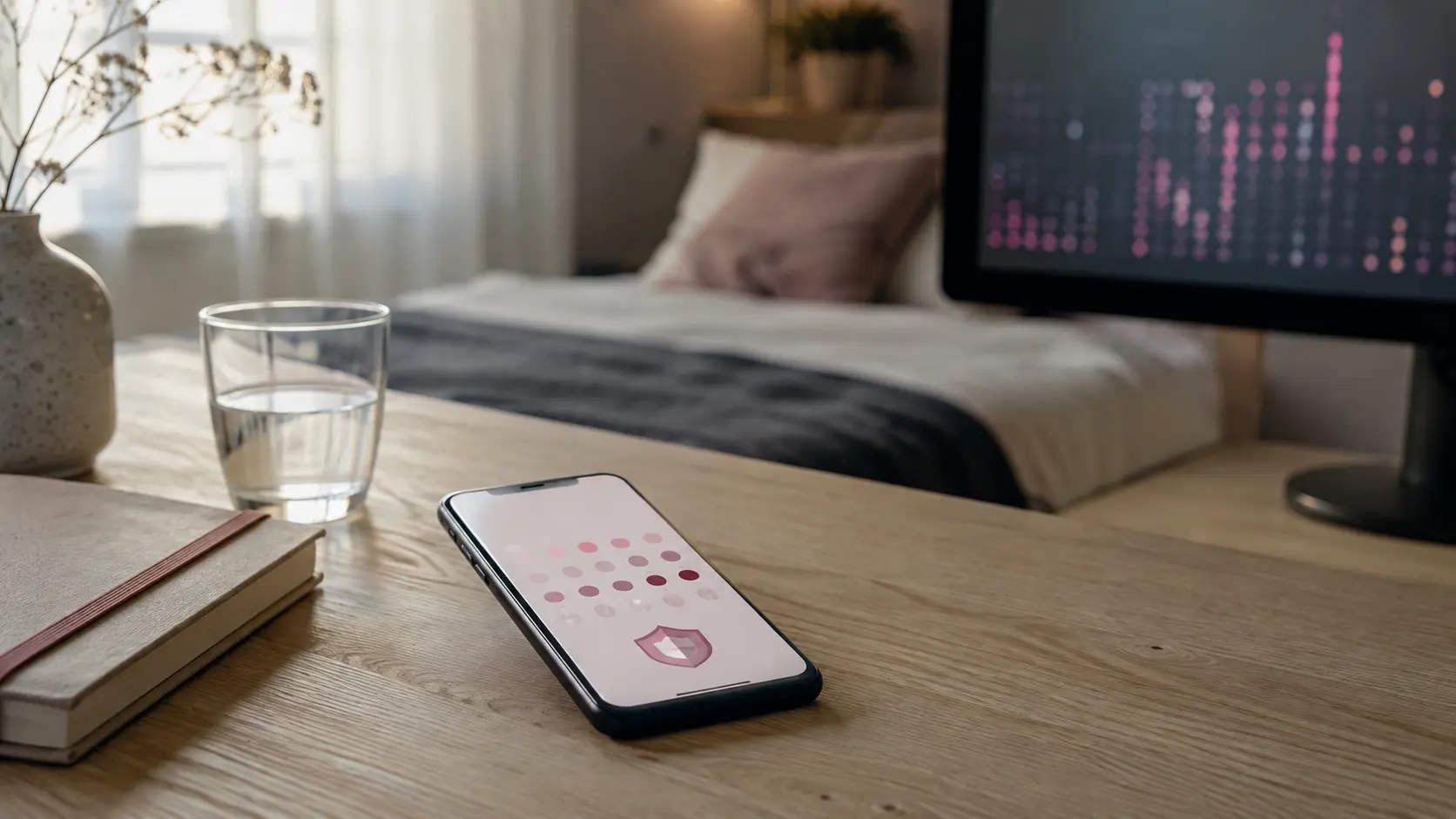
Period tracking apps can hold deeply personal information about a user’s health, fertility, pregnancy, symptoms, and sex life. The Dutch data protection authority, Autoriteit Persoonsgegevens (AP), has warned that this information may not always stay private.
Millions of people use period tracking apps to record when their period begins, monitor hormonal symptoms, predict ovulation, or follow a pregnancy. While these tools can be useful, they also collect health data that receives extra protection under European privacy law.
The AP said it may investigate whether some apps share sensitive user information with advertisers or other companies without clear and informed consent.
Period Tracking Apps Collect Intimate Information
Users can enter a wide range of personal details into these apps. This can include menstrual cycle dates, sexual activity, fertility plans, pregnancy information, moods, symptoms, and medical concerns.
Under European rules, health-related information counts as sensitive personal data. Companies can only collect and process it when users have given explicit consent.
However, the Dutch regulator said it is often unclear whether period tracking apps share this information with advertising partners or outside firms. It also questioned whether users fully understand what they agree to when they accept an app’s privacy settings.
AP Vice Chairman Monique Verdier said girls and women record a large amount of intimate information in these services. Therefore, they may become vulnerable if advertisers receive that data without proper consent.
Leaked Health Data Could Be Used for Blackmail
Verdier also warned that hackers may target period tracking apps because of the highly sensitive information they contain.
Cybercriminals often look for personal data that can cause the greatest harm if exposed. Information about health, fertility, and sex life could be used for blackmail, targeted scams, or other forms of abuse.
The AP urged users to review consent options carefully before entering personal details. If an app does not clearly explain how it uses data, or does not allow users to opt out of sharing, people should avoid submitting information they want to keep private.
The regulator has expressed enough concern to consider opening a formal investigation into period tracking apps.
Researchers Call Menstrual Data a “Gold Mine” for Profiling
Researchers at the University of Cambridge’s Minderoo Centre for Technology and Democracy raised similar concerns last year. They called menstrual cycle tracking apps a potential gold mine for consumer profiling.
Dr. Stefanie Felsberger said these platforms can turn personal health information into data points that companies may collect, analyse, and sell. She also warned that menstrual tracking data could be used to exert control over people’s reproductive lives.
The risks are not only theoretical. In September 2025, Google and Flo, a period and fertility tracking app with more than 70 million monthly users, settled a class-action lawsuit for $56 million.
Plaintiffs alleged that Google gained access to Flo users’ personal information through a software development kit integrated into the app. They claimed the data was then used for personalised advertising and push notifications on social media, through email, and within the Flo app.
0 responses to “Dutch Regulator Warns Period Tracking Apps May Share Sensitive Data”