


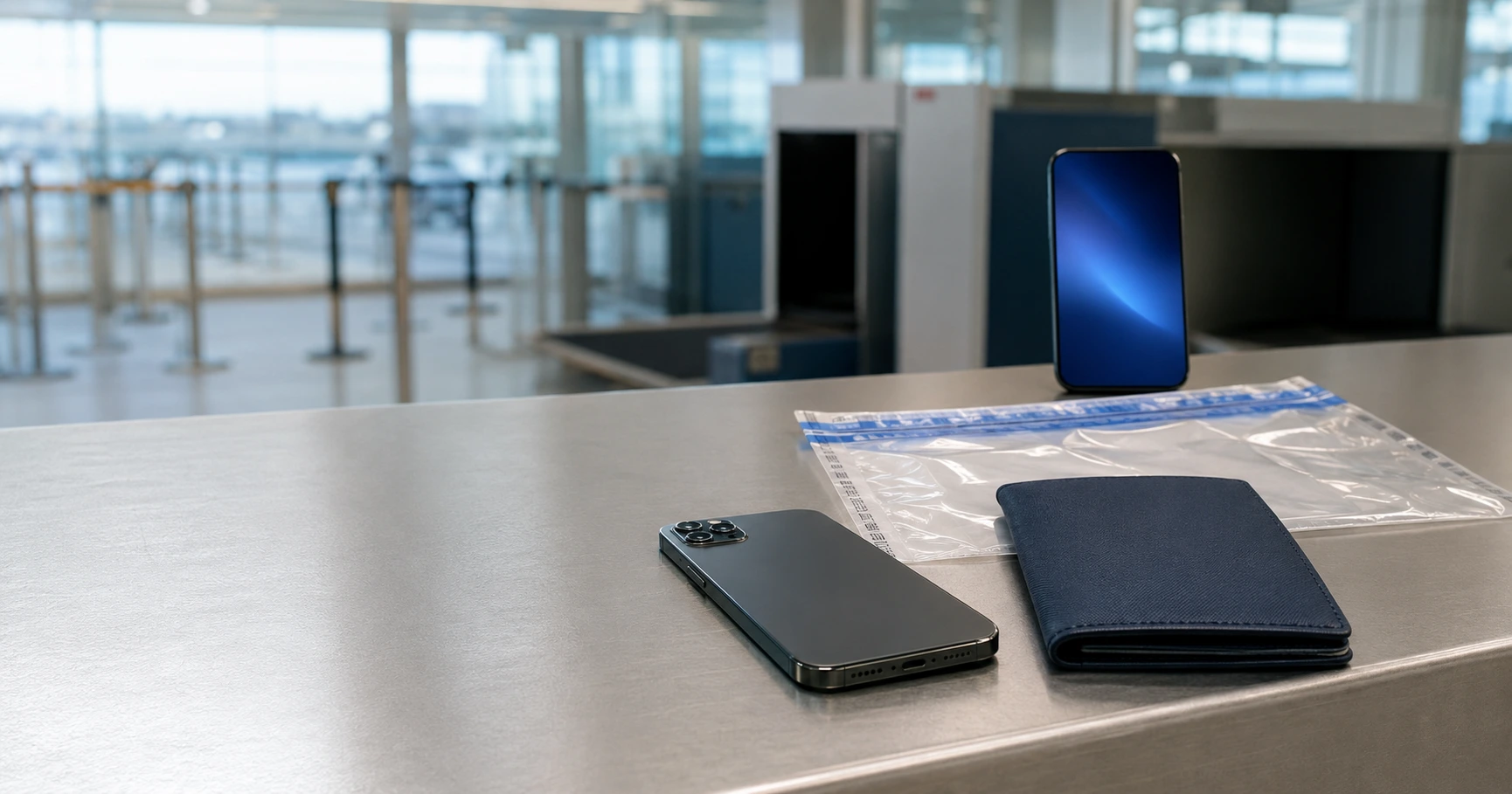
A US man faces federal charges after allegedly wiping his phone during a border search in Atlanta.
Samuel Tunick reportedly used a GrapheneOS duress passcode while officers tried to seize his Google Pixel phone. His lawyers say the seizure was unlawful and want the case dismissed.
The case could test the limits of border searches on personal devices.
What is a GrapheneOS duress passcode?
GrapheneOS is a privacy-focused Android operating system for supported Google Pixel phones.
It includes an option for a separate duress passcode. Entering that code wipes the device instead of unlocking it.
Court documents say Tunick used the feature at Hartsfield-Jackson Atlanta International Airport in January 2025. Officers were preparing to take his phone into custody at the time.
Prosecutors say Tunick deleted phone data
The US Department of Justice claims Tunick intentionally deleted the phone’s contents.
Prosecutors say he acted to stop the government from taking control of the device. He now faces charges under a federal law on obstructing property seizures.
The indictment alleges that Tunick entered the wipe code during a search by Customs and Border Protection officers.
Lawyers challenge the phone seizure
Tunick’s lawyers are fighting the charges. They have also filed a motion to suppress evidence.
The defence says officers violated Tunick’s constitutional rights during questioning. It also claims he was repeatedly denied access to an attorney.
His lawyers argue that the phone seizure itself was unlawful. They say it was linked to his association with Defend the Atlanta Forest.
The movement opposes Atlanta’s planned police training centre, often called “Cop City.”
Border phone searches remain disputed
The government says border agents can search phones without a warrant.
A recent Fourth Circuit ruling supported that position. The court compared border phone checks with luggage searches.
Privacy advocates strongly reject that comparison. They argue that phones hold much more sensitive information than suitcases.
The Electronic Frontier Foundation says personal devices carry far greater privacy interests. Tunick’s case may now test those claims in court.
0 responses to “GrapheneOS Duress Passcode Used to Wipe Phone During Border Search”