


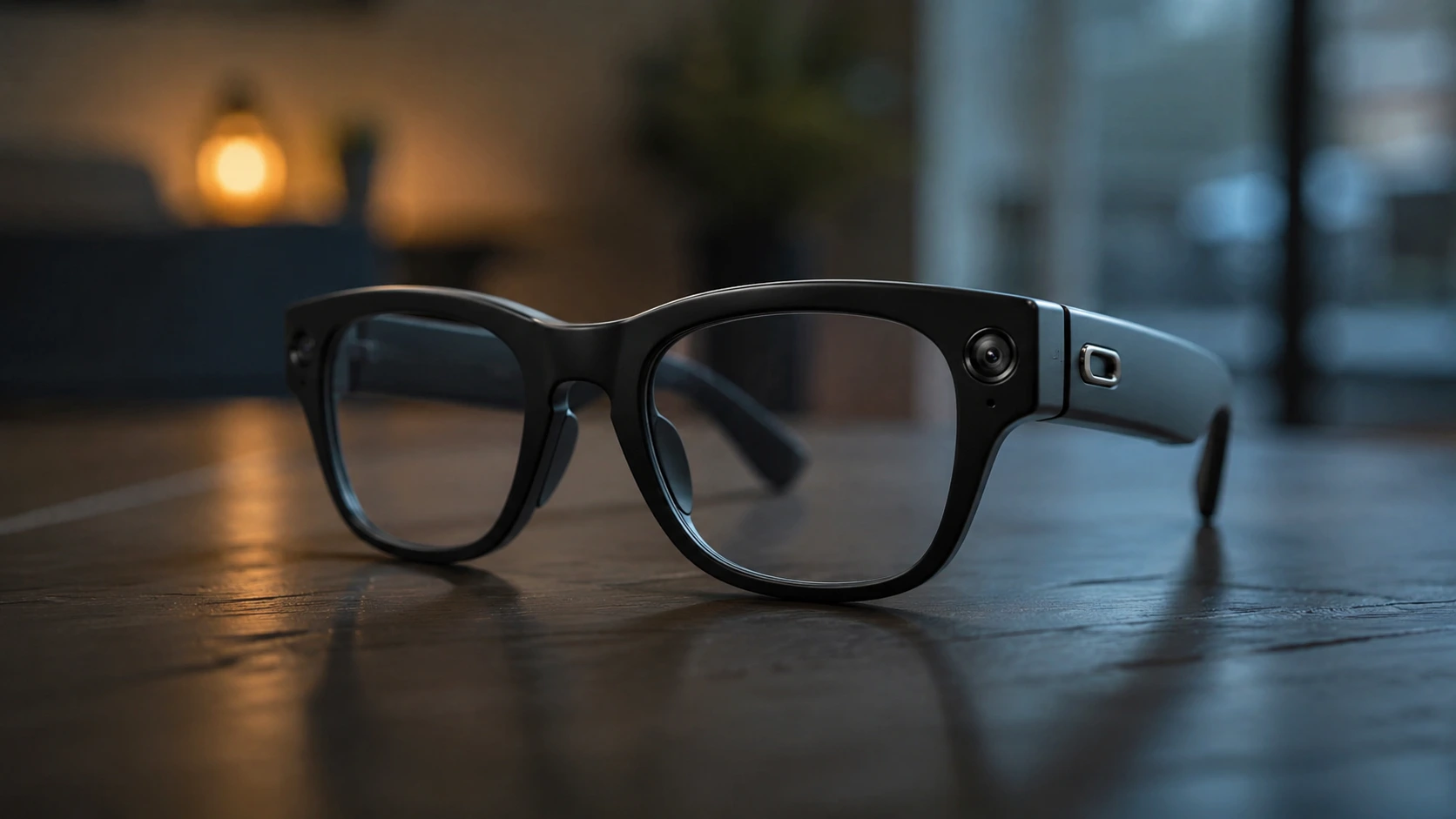
Leaked documents suggest Meta plans to give its AI-powered smart glasses a powerful new memory feature that continuously observes a user’s surroundings. The reported upgrade could capture audio and images throughout the day to answer questions about past events, but it has sparked fresh privacy concerns because the recording indicator light may remain off while the feature operates.
The proposal has renewed debate over consent, surveillance, and whether wearable AI should collect information about nearby people without clearly alerting them.
Meta Tests an Always-On AI Memory Feature
According to the Financial Times, Meta is testing an internal feature called “super sensing.” Unlike the current system, which responds only after a user activates AI, the new feature would remain aware of the wearer’s surroundings throughout the day.
The glasses could periodically capture audio and images, allowing the AI to answer questions such as:
- Where did I leave my keys?
- Who did I meet earlier today?
- What did someone say during a previous conversation?
Rather than storing every recording, Meta could convert what the glasses detect into metadata that describes people, places, and conversations. The AI would then use that information to answer questions without giving users access to the original recordings.
The company is also reportedly considering whether it could use some of that data to improve future AI models.
The Recording Light May Stay Off
The biggest privacy concern centers on the glasses’ recording indicator.
Current Meta Ray-Ban and Oakley smart glasses switch on a white LED whenever users capture photos or videos. That light lets people nearby know the camera is active.
However, the leaked plans suggest Meta has discussed keeping the LED turned off while the background AI sensing feature runs. If the company adopts that approach, the glasses could collect environmental information without displaying the same warning that appears during traditional photo or video recording.
The Proposal Raises Questions About Meta’s Privacy Strategy
The reported feature appears to conflict with Meta’s latest privacy protections.
Earlier this week, the company announced that second-generation smart glasses automatically disable their cameras if they detect someone has covered, damaged, or removed the recording LED.
Meta said it strengthened those protections after discovering that some users deliberately blocked or destroyed the indicator light. The company now prevents the camera from working until it detects that the LED functions normally again.
That announcement makes the leaked always-on recording proposal especially controversial because it raises questions about how Meta plans to balance AI functionality with user privacy.
Existing Glasses Could Receive the Upgrade
The Financial Times also reports that Meta could introduce some of these features through a software update instead of releasing entirely new hardware.
Internal teams reportedly use the codename Aperol for the sunglasses prototype and Bellini for the prescription version.
Meta declined to comment on products still under development.
Meta AI Glasses Always-On Recording Fuels Privacy Concerns
Meta’s AI glasses have already attracted criticism despite support from celebrities, including Kylie Jenner.
Critics call the devices “pervert glasses” after reports of people secretly recording women and other members of the public. Others use the term “glassholes” to describe wearers who ignore the privacy of those around them.
Privacy advocates argue that features designed to help users remember everyday details should not come at the expense of consent or public safety. They also warn that widespread adoption of AI eyewear could normalize constant recording in public spaces.
Earlier Facial Recognition Discovery Added to the Debate
The latest leak follows another controversy involving Meta’s smart glasses.
In June, security researchers discovered code inside the companion app that appeared to support facial recognition. Reports suggested Meta could activate the feature through a future software update.
After media outlets widely reported the discovery, Meta reportedly removed the code from the application.
Although Meta has not confirmed the latest leaked plans, the documents suggest the company continues to push its AI glasses beyond simple voice commands. At the same time, the proposed always-on recording feature has intensified concerns about where convenience ends and personal privacy begins.
0 responses to “Meta AI Glasses Could Gain Always-On Recording Without a Warning Light”