


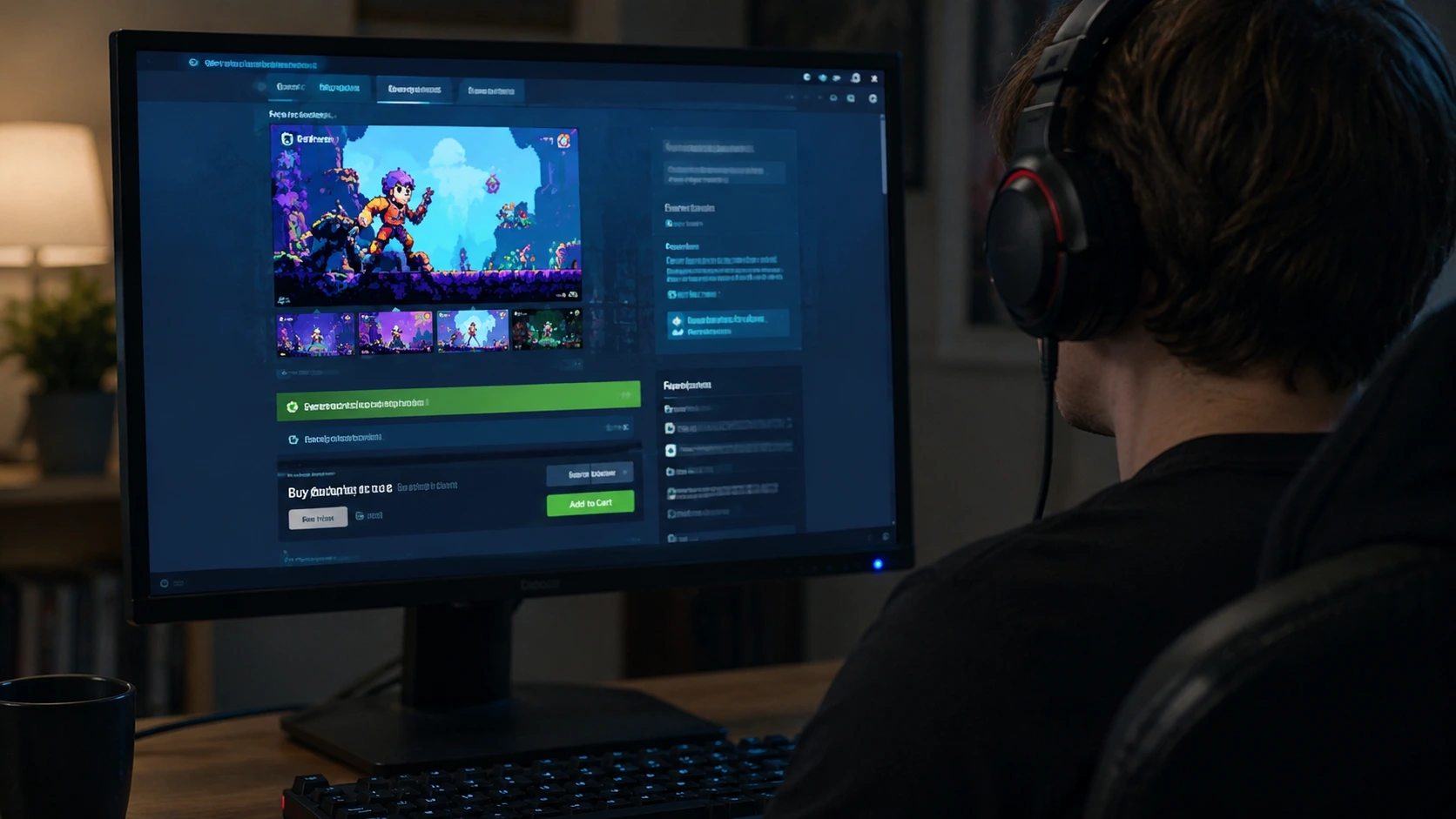
A game developer has criticized the Steam refund policy after more than 55,000 players allegedly completed his game and then requested their money back.
The creator of Paddle Paddle Paddle says the issue has resulted in a 21% refund rate despite the game receiving overwhelmingly positive reviews. The case has sparked fresh debate over whether Steam’s refund system is being exploited.
Steam Refund Policy Under Fire
Zoroarts, the developer behind Paddle Paddle Paddle, says one in five purchases ended in a refund.
According to the developer, many players completed the game within Steam’s two-hour refund window. They then requested refunds while still leaving positive reviews.
One review shared by Zoroarts described the game as “great” before noting it had been completed in under two hours and refunded under the platform’s rules.
The game is currently discounted from $5 to $3.
How the Steam Refund Policy Works
Under the Steam refund policy, users can request a refund for games, software, and most downloadable content within 14 days of purchase.
To qualify, they must have used the product for less than two hours. Steam says refunds are available for nearly any purchase and for almost any reason.
The company lists examples such as buying the wrong game, discovering hardware compatibility issues, or simply not enjoying the experience.
However, Steam also states that it may stop offering refunds if it determines a user is abusing the system.
Short Games Face a Unique Challenge
Zoroarts said Paddle Paddle Paddle was designed to provide roughly four hours of gameplay.
However, experienced players and speedrunners were often able to finish it in one or two hours.
The developer said some players also left comments suggesting the game should simply be longer than two hours.
He believes displaying an estimated completion time on a game’s Steam page could reduce refund requests. Buyers would then know exactly what to expect before making a purchase.
Players Split Over the Refund Debate
The controversy has generated mixed reactions across social media.
Some users argued it was unfair to refund an inexpensive game after completing it, especially when they enjoyed the experience.
Others said the developer should have expected the outcome because the game encourages speedrunning. They argued the Steam refund policy is not the real problem.
Several users also pointed out that Steam already monitors refund abuse and can restrict accounts that repeatedly exploit the system.
0 responses to “Steam Refund Policy Sparks Debate After Developer Reports 55,000 Game Refunds”