


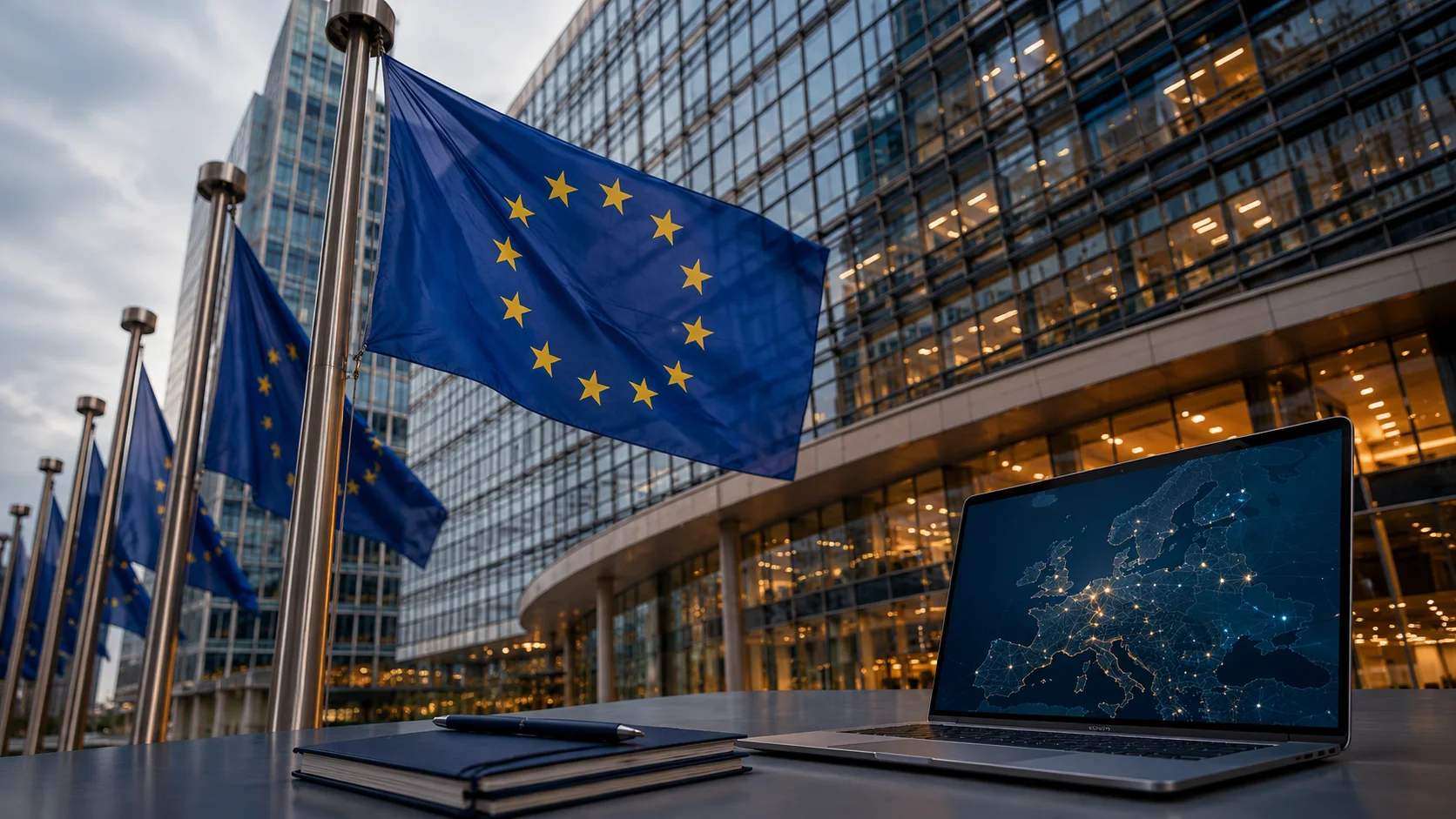
Europe’s push for digital sovereignty has gained a new symbol with the arrival of Euro-Office. The platform aims to provide governments, businesses, and public institutions with a European alternative to productivity suites dominated by American technology companies.
The launch reflects a growing effort across the continent to strengthen control over digital infrastructure, cloud services, and sensitive data. Supporters believe Euro-Office can help reduce reliance on foreign technology providers while giving organizations greater control over where their information resides and how they manage it.
Digital Sovereignty Drives the Initiative
The debate around digital sovereignty has intensified in recent years. European policymakers have become increasingly concerned about the region’s dependence on foreign technology platforms for critical services.
Many public institutions rely heavily on Microsoft 365 and Google Workspace for daily operations. While these platforms remain widely used, concerns about data governance, regulatory oversight, and long-term technological dependence have encouraged officials to explore alternatives developed within Europe.
Euro-Office emerged directly from those discussions. The project seeks to provide organizations with productivity tools that align with European priorities surrounding transparency, control, and data protection.
European Technology Firms Join Forces
Several European technology companies support the initiative. Rather than creating an entirely new ecosystem from scratch, the project combines existing technologies into a unified platform designed for collaboration and document management.
Supporters argue that Euro-Office demonstrates how European companies can work together to create competitive alternatives in markets traditionally dominated by global technology giants. The platform also promotes open standards, which many policymakers consider important for reducing vendor lock-in.
By building on existing technologies, Euro-Office aims to accelerate adoption while avoiding many of the development challenges associated with creating a completely new office suite.
Euro-Office Faces a Difficult Market
Despite growing interest in digital sovereignty, Euro-Office enters a highly competitive market. Microsoft and Google maintain strong positions across both public and private sectors, supported by decades of development, extensive integrations, and established user bases.
Organizations considering a transition must evaluate compatibility, costs, security requirements, and employee workflows. Many institutions have invested heavily in existing ecosystems, making large-scale migrations difficult.
As a result, Euro-Office may find its strongest opportunities within organizations that already prioritize data sovereignty and open-source solutions. Public-sector agencies could become an important target audience as governments continue investing in European technology initiatives.
A Broader Shift Across Europe
Euro-Office represents more than another productivity platform. The project highlights a broader movement taking shape across Europe as governments and businesses reassess their dependence on foreign technology providers.
The conversation now extends beyond office software. Policymakers increasingly focus on cloud infrastructure, artificial intelligence, cybersecurity, and digital services. Many leaders view these technologies as strategic assets that influence economic competitiveness and national resilience.
Within that context, Euro-Office serves as an example of Europe’s effort to build stronger domestic alternatives across critical technology sectors.
Conclusion
Euro-Office arrives at a time when digital sovereignty has become a key priority across Europe. The project seeks to provide organizations with a European alternative to established productivity platforms while supporting greater control over data and digital infrastructure.
Success remains far from guaranteed, especially in a market dominated by Microsoft and Google. However, Euro-Office reflects a larger trend that continues to gain momentum. European governments and businesses increasingly want technology solutions that align with regional priorities, and that demand could create new opportunities for locally developed platforms in the years ahead.
0 responses to “Euro-Office Fuels Europe’s Push for Digital Sovereignty”