


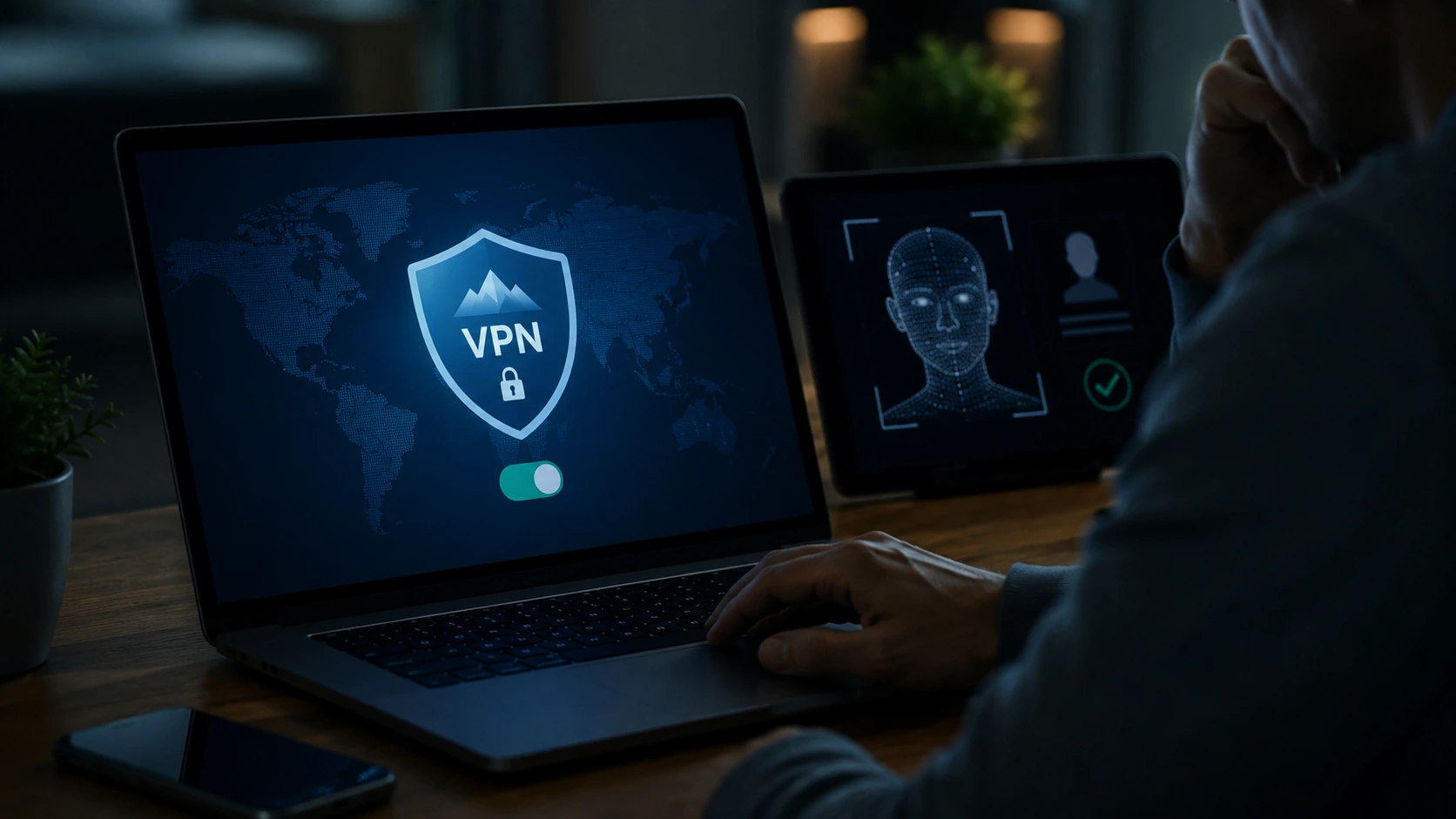
Mozilla has warned that proposals involving VPN age verification could create serious privacy and security concerns for internet users. The company argues that restricting access to privacy tools may damage the open web while doing little to address the real causes of online harm.
The warning follows growing debate around online age assurance systems in the UK and other regions. Governments continue pushing for stronger child safety protections online, but critics fear the measures could expand digital surveillance and weaken internet privacy.
Mozilla Pushes Back Against VPN Restrictions
Mozilla stated that VPNs play an important role in online security and privacy. Millions of users rely on them to secure public internet connections, reduce tracking, protect browsing activity, and bypass censorship.
The company warned that limiting access to VPN services could expose users to greater risks instead of improving safety. Mozilla also noted that younger users benefit from privacy protections because online platforms collect large amounts of behavioral and personal data.
Privacy advocates argue that treating VPNs as tools for bypassing regulations ignores their broader security value. Businesses, journalists, activists, and ordinary users all depend on encrypted connections to protect sensitive information online.
Age Verification Debate Continues to Expand
The debate centers on broader efforts to introduce stronger online age verification systems. Regulators in the UK and other countries continue exploring rules that may require websites and digital services to confirm user ages before granting access.
Critics warn that many verification systems depend on sensitive personal data, including government IDs, facial scans, or biometric information. Privacy groups argue that collecting this data creates new cybersecurity and surveillance risks.
Mozilla and several digital rights organizations also warned that expanding age verification systems could slowly reshape the internet into a more restricted environment. Different countries may begin enforcing separate identity requirements, creating barriers to anonymous browsing and open access.
VPN Usage Increased After New Online Restrictions
Recent online safety laws have already contributed to large increases in VPN usage in several regions. Many users turned to VPN services after stricter age-check systems appeared on websites and online platforms.
Some policymakers now describe VPNs as loopholes that weaken enforcement efforts. However, privacy advocates strongly disagree with that position. They argue that VPNs remain legitimate cybersecurity tools that help users maintain privacy and protect sensitive information from tracking and interception.
Mozilla also warned that weakening access to encrypted privacy tools could create unintended consequences for online safety. Users may become more vulnerable to data collection, cybercrime, and invasive monitoring practices.
Privacy Groups Fear Broader Surveillance Growth
The concerns extend beyond VPN services alone. Privacy experts increasingly warn that mandatory identity verification systems could normalize constant online identification across the internet.
Critics fear this trend may reduce anonymity and increase the amount of personal information stored by platforms and third-party verification providers. Large centralized databases containing identity information could also become attractive targets for cybercriminals.
Several organizations now support alternative approaches focused on platform moderation, parental tools, digital education, and safer default settings instead of widespread identity verification systems.
Conclusion
VPN age verification proposals are drawing growing criticism from privacy advocates and technology organizations. Mozilla argues that restricting privacy tools could weaken online security while increasing surveillance and limiting internet freedom.
As governments continue expanding online safety regulations, the debate over privacy, anonymity, and digital protection is likely to become even more controversial.
0 responses to “VPN Age Verification Raises New Privacy Concerns”