


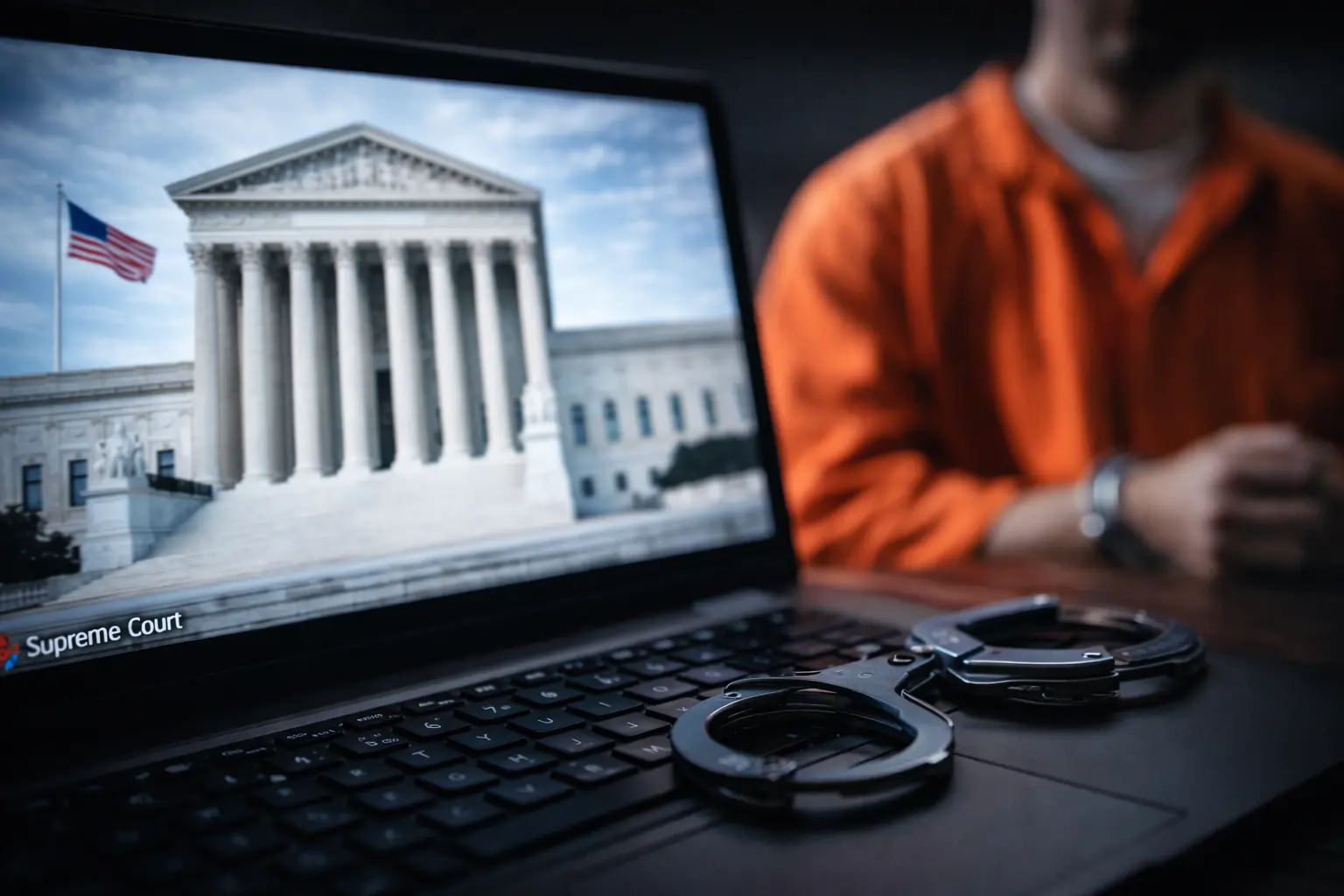
A Supreme Court hacker received one year of probation after accessing multiple US government systems. The case shows how stolen credentials can expose critical platforms without complex techniques.
The attacker gained access to sensitive systems, including the US Supreme Court filing platform.
Stolen credentials enabled unauthorized access
The Supreme Court hacker used compromised login credentials to enter protected systems. This approach allowed access without triggering many security controls.
He accessed the Supreme Court filing system for several weeks. During that time, he also entered systems linked to AmeriCorps and the Department of Veterans Affairs.
Because the activity appeared legitimate, detection became more difficult.
Public data exposure increased severity
The attacker went beyond access and shared stolen information online. He posted data through a social media account to showcase the breach.
This action increased the overall impact. Exposed data can lead to identity risks, targeted attacks, and further compromise.
Authorities confirmed that sensitive information from victims was published.
Guilty plea shaped the final sentence
The Supreme Court hacker pleaded guilty to computer-related charges. The court considered cooperation and acceptance of responsibility during sentencing.
He faced potential prison time, but the court issued probation instead. The final sentence reflects a lower-end outcome under federal guidelines.
Case highlights credential-based threats
This case shows how credential theft remains a major risk. Attackers do not always need advanced tools to breach systems.
Valid credentials can provide direct access to sensitive environments. This makes identity protection and monitoring essential across government systems.
Conclusion
The Supreme Court hacker case highlights the risks of weak credential security. Stolen access allowed prolonged entry into critical systems without immediate detection.
The outcome reflects legal leniency tied to cooperation. At the same time, the incident reinforces the need for stronger identity controls and monitoring.
0 responses to “Supreme Court hacker gets probation after system breach”