


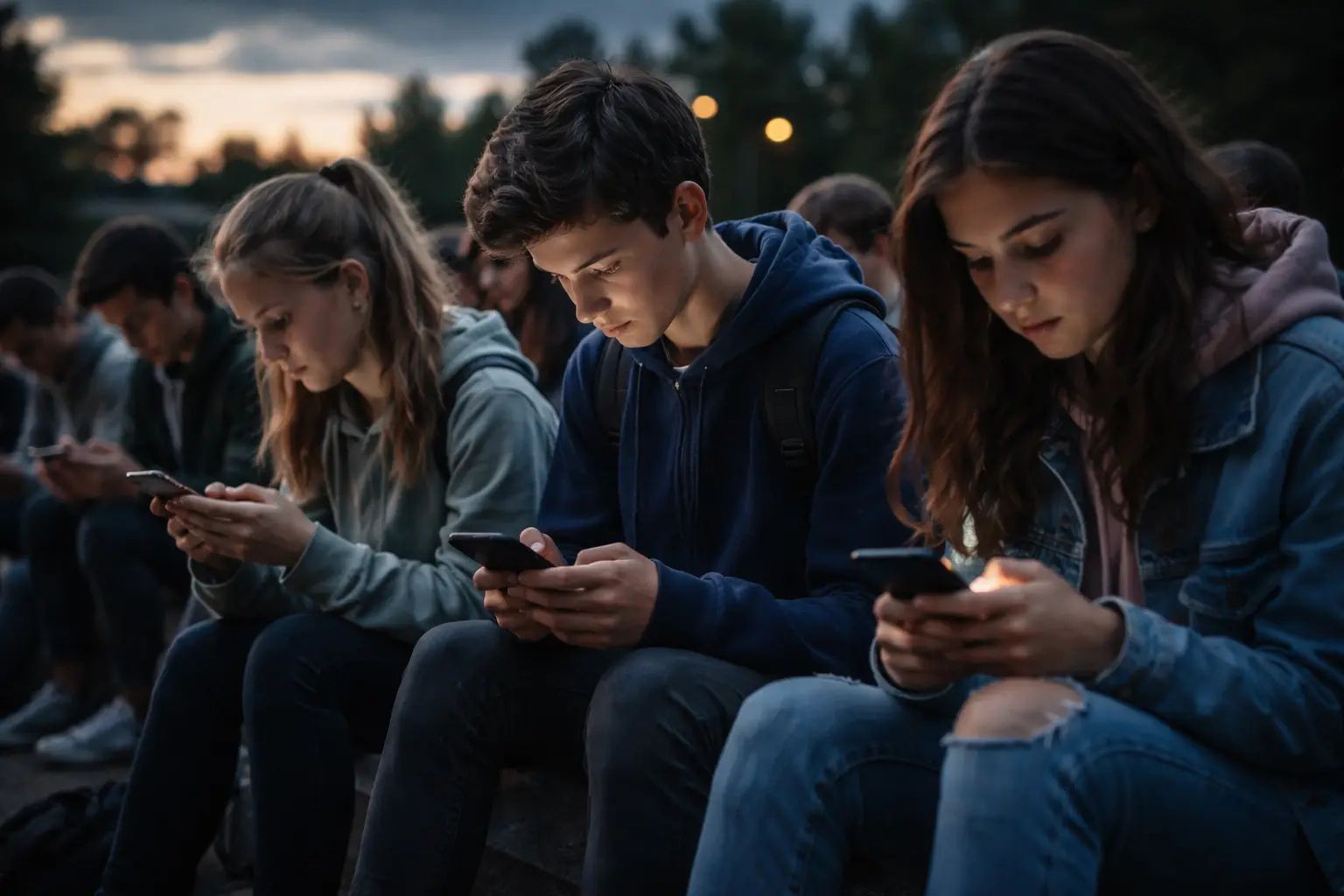
Momentum is building around an under 16 social ban as pressure grows on tech companies to protect younger users. Pinterest CEO Bill Ready has stepped into the debate with a clear message. He believes current safeguards are not enough and that self-regulation has failed to deliver meaningful protection.
Pinterest CEO Breaks Industry Consensus
Bill Ready has openly supported a ban on social media access for users under 16. His stance contrasts with most major platforms, which continue to defend existing systems.
He argues that platforms have prioritized engagement and growth over user safety. According to Ready, this has created environments where younger audiences face risks that are not properly controlled.
This position signals a shift within the industry, where leaders rarely call for stricter external regulation.
Self-Regulation No Longer Holds
The debate now centers on whether tech companies can regulate themselves effectively. Ready’s argument is direct. Platforms have had enough time to improve safety, yet meaningful change has not followed.
Internal policies and optional safeguards have failed to create consistent protection. Without enforceable standards, platforms continue to apply uneven rules and limited oversight.
This weak foundation has pushed the conversation toward government intervention.
Australia’s Approach Sets Direction
Australia has introduced a ban on social media access for users under 16, setting a clear precedent. The move reflects a stricter approach that treats online platforms as environments requiring active control.
Ready supports this model and sees it as a practical solution rather than an extreme measure. He compares it to other age-based restrictions designed to protect young people in high-risk situations.
This framing positions social media regulation as part of a broader public safety effort.
Rising Concerns Around Youth Impact
The push for stricter rules is driven by growing concern about how social media affects younger users. Extended exposure has been linked to anxiety, reduced focus, and unhealthy usage patterns.
At the same time, platform design continues to evolve. Algorithms and AI systems can shape behavior in ways that are difficult to monitor or control.
This combination increases pressure on both regulators and companies to act before the risks deepen further.
Global Inconsistency Creates Risk
Regulation remains uneven across regions, creating gaps in protection. Some countries are moving toward strict limits, while others rely on softer guidelines.
Platforms operate across borders, which makes enforcement inconsistent. When companies follow different standards in different regions, younger users remain exposed to varying levels of risk.
This fragmented landscape weakens the overall effectiveness of safety measures.
Conclusion
The under 16 social ban debate reflects a broader shift in how online safety is approached. Confidence in self-regulation is fading, and calls for stronger government action are increasing.
As more countries consider stricter rules, platforms will face growing pressure to adapt. The outcome will define how responsibility is shared between regulators and tech companies in protecting younger users.
0 responses to “Under 16 social ban backed by Pinterest CEO”