


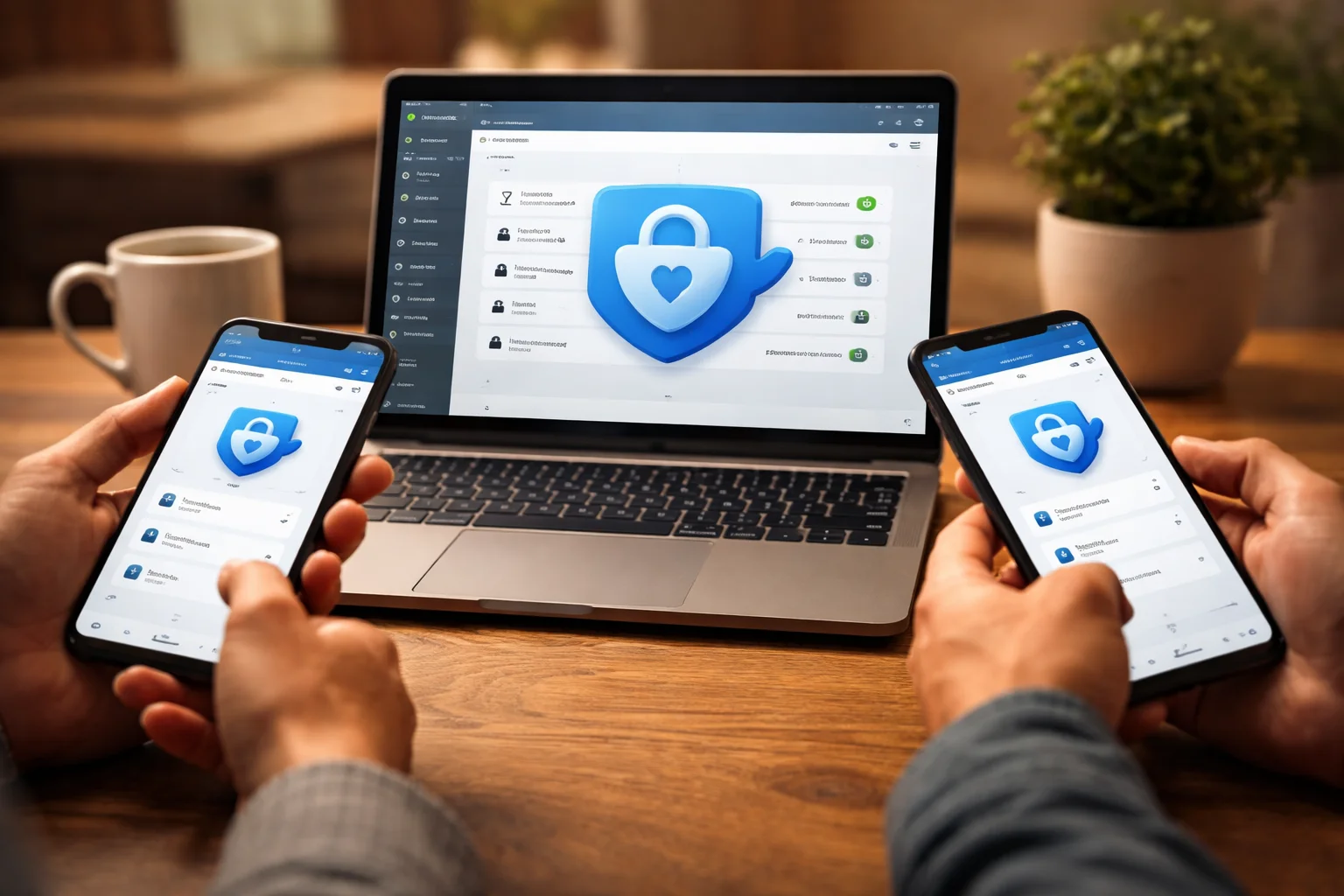
Account sharing rarely follows security advice. Partners, families, and roommates exchange logins constantly, even when they understand the risks. The Bitwarden Cupid Vault feature addresses that reality by turning password sharing into a controlled and reversible action instead of a permanent transfer of access.
Rather than exposing an entire password manager, the system creates a limited shared space meant only for a trusted person. The goal is simple: allow cooperation without sacrificing long-term security.
How the shared vault works
Bitwarden lets a user invite one other person into a dedicated shared vault. The owner decides exactly which credentials appear there, while everything else remains private. This separation ensures personal accounts never become automatically visible.
Only selected logins move into the shared area. Both people can use them normally, but neither gains access to the rest of the vault. The feature mirrors real-life needs, such as managing subscriptions, rent payments, or joint services.
Instead of sending passwords through messages or notes, the information stays encrypted and organized. The system removes the need for risky shortcuts while preserving convenience.
The revocation concept
The defining element of Bitwarden Cupid Vault is immediate removal of access. If circumstances change, the owner can disconnect the other person instantly. The shared vault stops updating and no longer exposes credentials.
Users should still change important passwords afterward, but the access channel itself disappears right away. This approach addresses a common security gap: former partners or acquaintances retaining logins long after trust ends.
Traditional password sharing cannot easily undo exposure. Here, the relationship can end without leaving permanent digital access behind.
Availability and limits
The feature works even on the free plan, making secure sharing available without a subscription. However, it focuses on simple personal use.
The shared vault supports two people and a small number of shared collections. Larger family or business groups still rely on existing multi-user plans. Cupid Vault targets everyday personal scenarios rather than team collaboration.
Why it matters for real-world security
Most account compromises do not begin with technical attacks. They happen because someone already has legitimate credentials. Old roommates, former partners, or forgotten shared logins often remain active for years.
Bitwarden designed this feature around behavior instead of theory. People will continue sharing accounts. The safer approach is limiting and controlling that access rather than trying to eliminate it.
By isolating shared credentials and allowing instant removal, the feature reduces lingering exposure without complicating daily use.
Conclusion
Bitwarden Cupid Vault shifts password security toward practical habits. Sharing access is unavoidable, but permanent access is preventable. The feature creates a small, controlled space where cooperation can happen safely and end cleanly.
It does not replace good password hygiene, yet it removes one of the most common long-term risks. For many users, the ability to revoke trust instantly may provide more protection than simply telling people never to share passwords.
0 responses to “Bitwarden Cupid Vault enables revocable password sharing”