


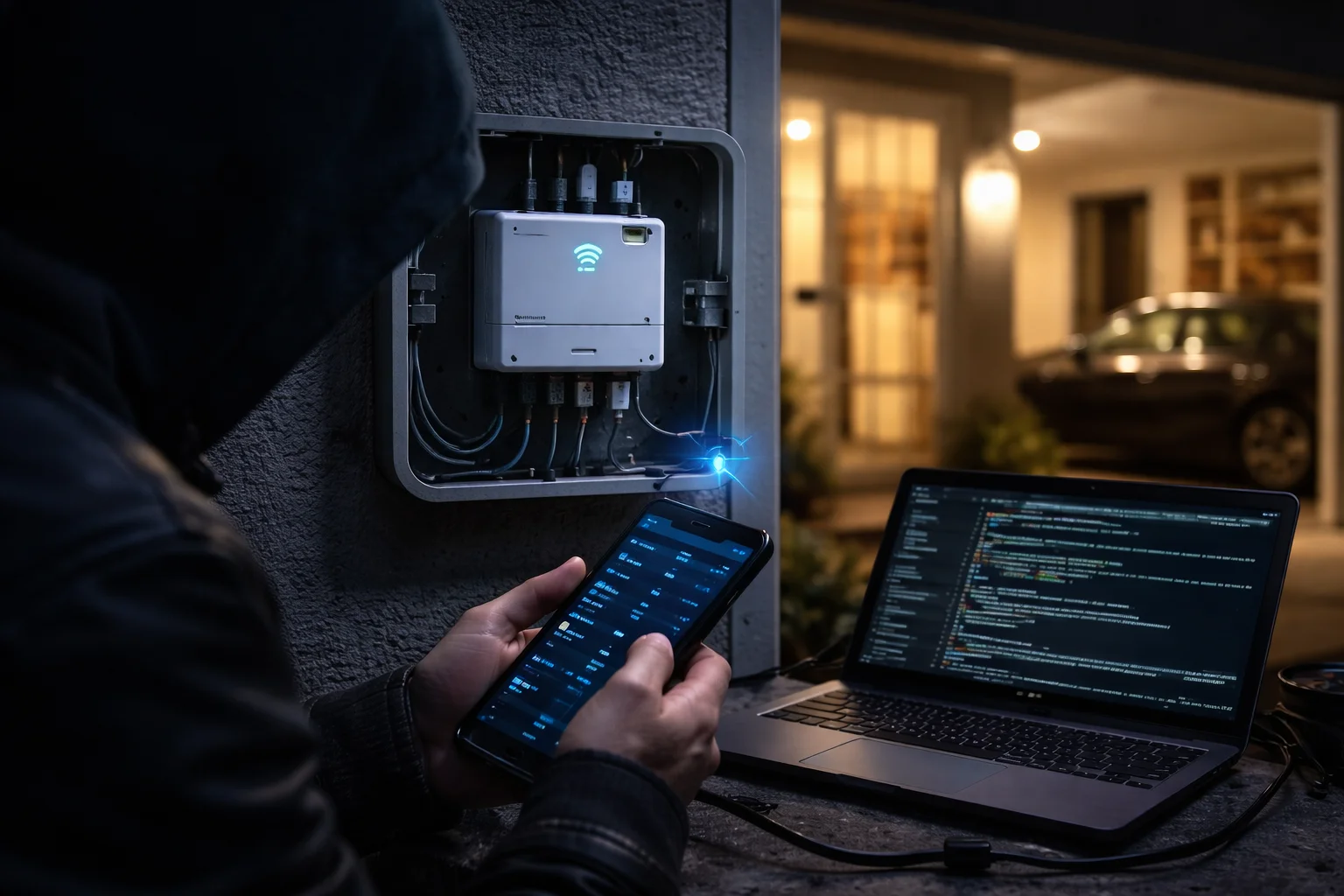
Connected homes rely on small devices that quietly control everyday functions. Researchers recently identified a serious weakness affecting several popular automation products. The Shelly smart home flaw allows someone nearby to communicate with certain devices without permission, creating a risk that extends beyond simple digital interference.
Configuration Network Remains Active
Security analysts discovered the issue in newer generation Shelly products. During setup, the devices create a temporary wireless access point so users can configure them. Normally, this network should shut down after installation finishes.
Instead, it can remain available in the background. Because it does not require authentication, anyone within WiFi range can connect directly to the device interface. Most owners never notice the extra network because it operates silently after setup.
This unintended access point becomes a hidden entry channel.
Control of Connected Functions
Once connected, an attacker can send commands to the hardware. Many households use these devices for lighting, heating control, or appliance switching. In some setups they are wired to motors, gates, or garage systems.
That means the vulnerability can affect physical equipment rather than just software behavior. The attacker does not need internet access to the home network, only wireless proximity to the device itself.
Researchers also warn repeated switching could interfere with electrical equipment connected through the relay.
Possible Network Exposure
The Shelly smart home flaw may allow deeper interaction than simple control commands. After reaching the device, a malicious actor could attempt firmware modification or monitor activity.
Because smart devices often share a network with computers and phones, the compromised unit could become a stepping stone to further probing. The risk depends on how the home network is structured, but the possibility increases the severity of the issue.
Large-scale scanning tools can identify exposed devices by detecting their broadcast configuration networks.
Mitigation and Updates
The vulnerability was reported to the manufacturer before disclosure. Firmware updates are intended to restrict the access point to installation mode only.
Until updated, users can manually disable the network through device settings after setup. Security specialists recommend checking configuration menus and installing the latest firmware to remove the exposure.
The situation highlights how default settings matter in connected devices, especially when users assume setup features automatically disappear.
Conclusion
The Shelly smart home flaw demonstrates how a small configuration oversight can create a meaningful security risk. A background setup network enables nearby access and may expose connected systems. Keeping firmware updated and disabling unused setup features reduces the danger, but the case reinforces the importance of secure defaults in smart home technology.
0 responses to “Shelly smart home flaw exposes devices to nearby hackers”