


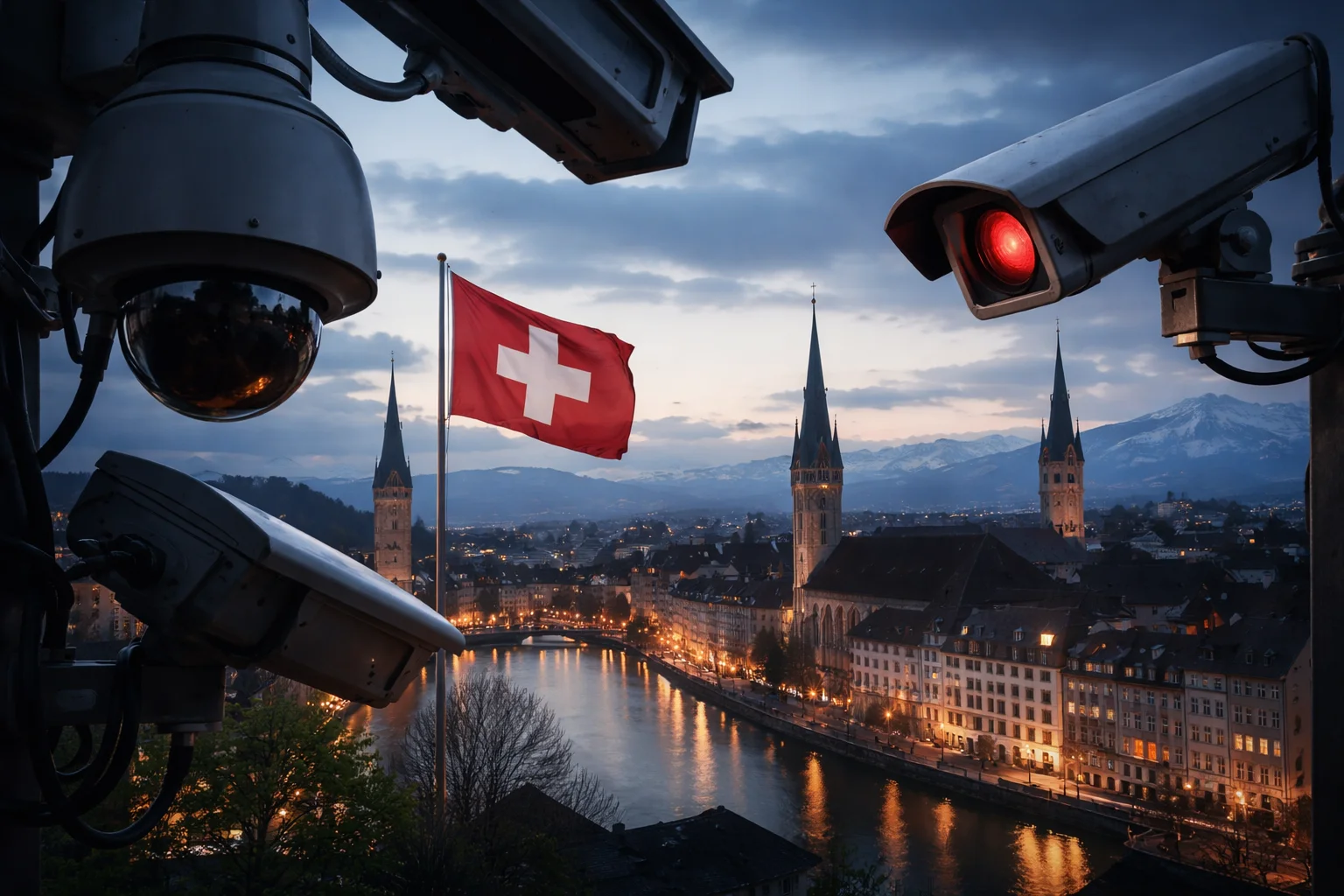
Swiss telecom surveillance has become a major point of contention after proposed legal changes raised concerns about mass data retention and weakened privacy protections. Human rights organisations and digital privacy advocates argue that the revisions could significantly expand state monitoring powers. The debate highlights growing tension between national security objectives and individual rights in Switzerland’s digital environment.
Proposed Changes to Surveillance Rules
The controversy centers on proposed revisions to Switzerland’s surveillance framework governing telecommunications and internet traffic. The changes would broaden the range of companies required to retain user data. Internet service providers, telecom operators, and certain digital services would fall under stricter obligations.
The revised rules would require providers to store detailed metadata about users’ online activity. This information could include IP addresses, connection timestamps, and subscriber identification data. Critics argue that such measures would apply broadly, not only to individuals under investigation.
Why Privacy Groups Are Alarmed
Privacy and human rights groups warn that Swiss telecom surveillance would move closer to indiscriminate data collection. They argue the proposal conflicts with principles of necessity and proportionality. These principles form the foundation of privacy protections under European human rights law.
Opponents also point out that access to retained data could occur without strong judicial oversight. This raises fears of misuse and excessive monitoring. From their perspective, surveillance should remain targeted and subject to clear legal safeguards.
Impact on VPNs and Secure Services
One of the most controversial elements involves VPN and encrypted service providers. The proposed rules could require such services to identify users and retain connection data. Privacy advocates argue this undermines the purpose of privacy-focused tools.
Secure communication providers warn that these obligations could erode trust. Users rely on these services to protect anonymity and sensitive information. Expanding surveillance requirements may push privacy-oriented companies to reconsider operating in Switzerland.
Security Risks of Mass Data Retention
Critics also emphasize the cybersecurity risks linked to large-scale data storage. Centralized collections of user metadata create valuable targets for cybercriminals. Telecom infrastructure already faces frequent attacks, increasing the potential impact of breaches.
Storing more personal data for longer periods amplifies the damage if systems are compromised. This risk affects both individuals and service providers responsible for protecting sensitive information.
Political and Industry Pushback
The proposed Swiss telecom surveillance rules have triggered strong reactions across the tech and privacy sectors. Advocacy groups have urged authorities to reconsider the scope of the changes. Industry voices warn that excessive regulation could damage Switzerland’s reputation as a privacy-respecting jurisdiction.
Previous surveillance proposals have already faced resistance and revisions following public consultation. This suggests the final outcome remains uncertain. The issue continues to draw attention from domestic and international observers.
Conclusion
Swiss telecom surveillance proposals have reignited a fundamental debate about privacy, security, and state power. Expanding data retention obligations risks normalizing broad monitoring practices rather than targeted investigations. As the discussion continues, the decisions made will shape Switzerland’s digital rights landscape for years to come.
0 responses to “Swiss telecom surveillance sparks privacy backlash in Switzerland”