


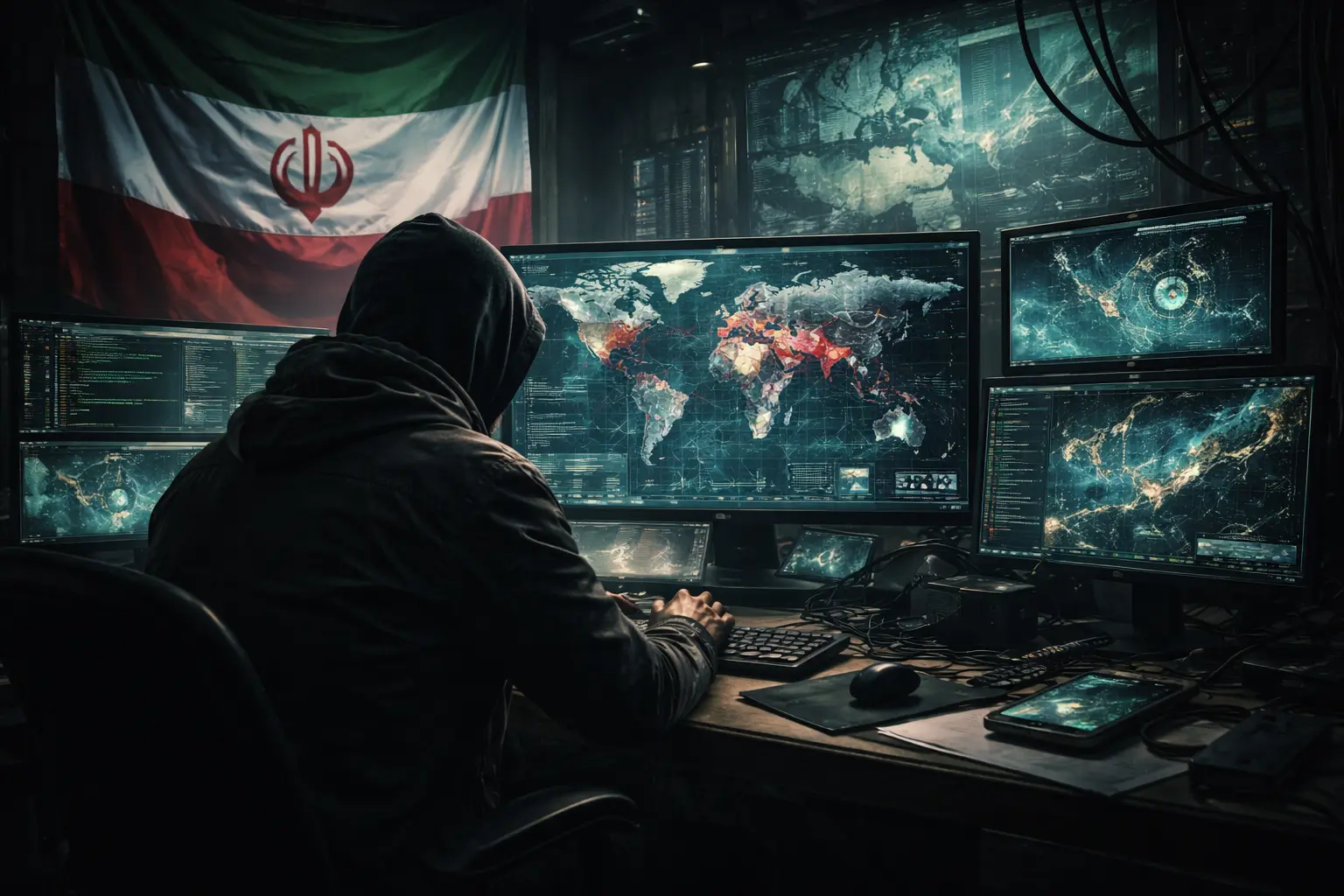
Prince of Persia cyber espionage has resurfaced as one of the most persistent Iranian-linked intelligence operations uncovered in recent years. New research shows the group never disappeared. Instead, it quietly expanded its toolset, refined its infrastructure, and continued targeting sensitive entities worldwide.
Security researchers now believe the operation has remained active for nearly two decades. Its longevity highlights how state-backed cyber units adapt, rebrand, and operate below public detection thresholds.
A Campaign That Never Truly Stopped
Analysts trace Prince of Persia activity back to at least 2007. Early campaigns focused on diplomatic targets and foreign policy interests aligned with Iranian intelligence priorities.
Public reporting slowed after 2022. However, fresh analysis confirms the group continued working behind the scenes. Rather than launching noisy campaigns, operators focused on stealth, testing environments, and modular malware upgrades.
This quiet persistence allowed the operation to survive shifts in defensive tooling and global awareness.
Custom Malware and Advanced Control Methods
Prince of Persia cyber espionage relies on a collection of custom-built malware families. These tools support long-term access, surveillance, and data exfiltration.
Researchers identified several active malware strains:
- Foudre, designed for persistent access and remote command execution
- Tonnerre, which includes resilient domain generation mechanisms
- Rugissement, a newer tool linked to recent testing activity
Some variants avoid traditional command servers altogether. Instead, they route communications through messaging platforms such as Telegram. This tactic blends malicious traffic with normal user activity and complicates detection.
Global Reach and Strategic Targeting
Historical infections linked to Prince of Persia span multiple regions. Affected countries include parts of Europe, the Middle East, South Asia, and North America.
Targets appear carefully selected. Many align with geopolitical interests, foreign policy monitoring, or domestic surveillance objectives. This pattern supports long-standing assessments that the group operates in support of Iranian intelligence goals.
Unlike criminal campaigns, there is no evidence of ransomware deployment or financial extortion. Espionage, monitoring, and intelligence collection remain the core focus.
Why This Campaign Still Matters
Prince of Persia cyber espionage demonstrates how threat actors can disappear from headlines without disappearing from networks. Long-lived operations benefit from patience, low-volume activity, and constant technical refinement.
The use of alternative control channels, modular malware, and testing-heavy infrastructure shows a mature and disciplined approach. These traits make detection harder and response slower.
For defenders, the campaign reinforces the need for behavior-based detection and long-term threat monitoring.
Conclusion
Prince of Persia cyber espionage stands as a reminder that silence does not equal inactivity. Iranian-linked operators maintained this campaign for years by avoiding exposure and evolving quietly. As research continues, defenders must assume similar groups remain active today, operating just below the surface.
0 responses to “Prince of Persia Cyber Espionage Exposes Long Iranian Campaign”