


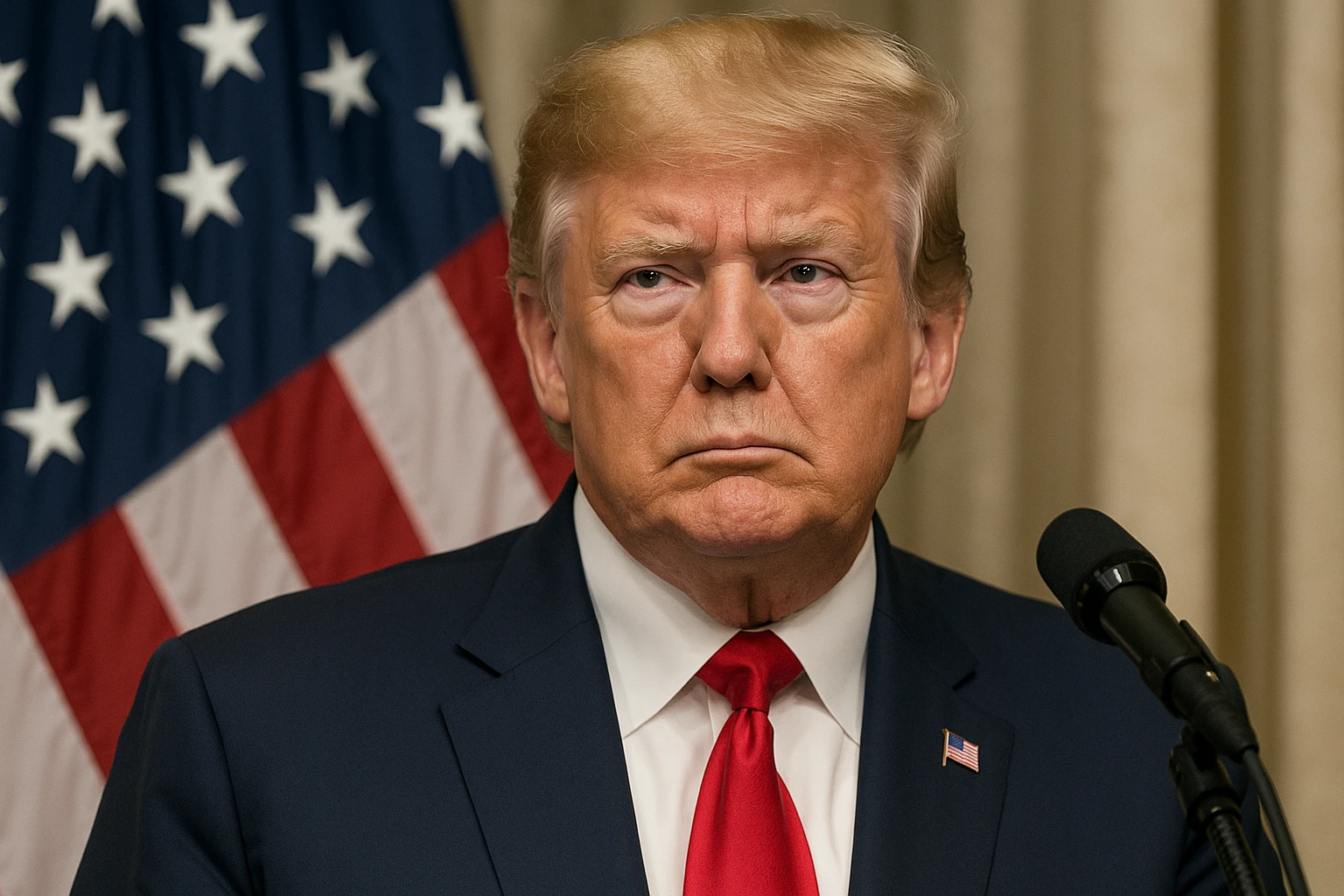
The U.S. administration announced plans to introduce a single federal framework for artificial intelligence. The move seeks to replace the mosaic of state laws with one unified rulebook. The Trump national AI rule aims to simplify regulation, ease burdens for tech firms, and promote consistent oversight across the country. This step marks a major shift in AI governance in the United States.
Why the Change to a National AI Rule
States have adopted various regulations for AI — creating a complex and sometimes conflicting patchwork of laws. This diversity challenges companies that operate nationwide. A federal standard promises to clear up that complexity. The White House argues that a unified rulebook will accelerate AI development, support innovation, and prevent regulatory fragmentation.
President Trump said that one rule is necessary to keep the United States competitive in global AI development. He warned that 50 different regulatory regimes could stall progress and stifle innovation. The decision shows how urgently Washington now treats AI policy.
What the New Rule Would Do
Under the proposed framework, all aspects of AI development — from training models to deployment — would follow the same federal guidelines. Developers and companies would no longer need to navigate varying state regulations. The rule would likely pre-empt existing state AI laws and prevent states from imposing conflicting requirements.
Federal agencies would assume most of the regulatory burden. A centralised system would monitor compliance, set standards, and handle enforcement. The rule aims to balance support for AI growth with oversight that protects public interests.
Why Tech Firms and Big Industry Support It
Large technology companies and AI firms welcomed the proposal. They view a single national AI rule as more predictable than 50 distinct state-level laws. A unified standard reduces legal uncertainty and compliance costs. This clarity may stimulate further investment in AI research and development.
The simplified regulation could also encourage smaller startups to innovate. With fewer legal barriers, new players may find it easier to build and launch AI products. This flexibility could drive faster growth in AI-driven markets across the U.S.
Possible Concerns and Pushback
Critics argue that centralising AI regulation under one federal rule might ignore local needs and fail to address specific regional risks. Some states already passed laws targeting issues like data misuse, deepfakes, and user privacy. Replacing them with a broad federal rule could weaken protections for vulnerable communities.
Several state officials expressed concern that a federal rule could strip states of their power to protect residents. They warn that a one-size-fits-all approach may not suit diverse social and cultural conditions across different states. Legal experts also debate whether a presidential order can legally override state legislation on AI.
What This Means for the Future of AI in the U.S.
If adopted, the Trump national AI rule could streamline AI regulation across all states. It would likely lower compliance costs, speed up development, and give companies clearer guidance. On the other hand, it could limit state-level innovation in regulation and reduce local control over privacy, safety, and ethics in AI deployment.
The rule may also influence global standards. As the U.S. shapes a federal AI framework, other countries may follow or react. The decision could thus impact how international regulators approach AI governance — especially when balancing innovation with protection.
Conclusion
The Trump national AI rule represents a major pivot in how the U.S. regulates emerging technology. By replacing disparate state laws with a unified standard, the administration tries to make AI development smoother and more predictable. But the shift calls for careful oversight to ensure it protects citizens without stifling growth. The outcome will likely influence both national tech policy and global AI regulation trends.
0 responses to “Trump national AI rule Could Reshape U.S. Tech Oversight”