


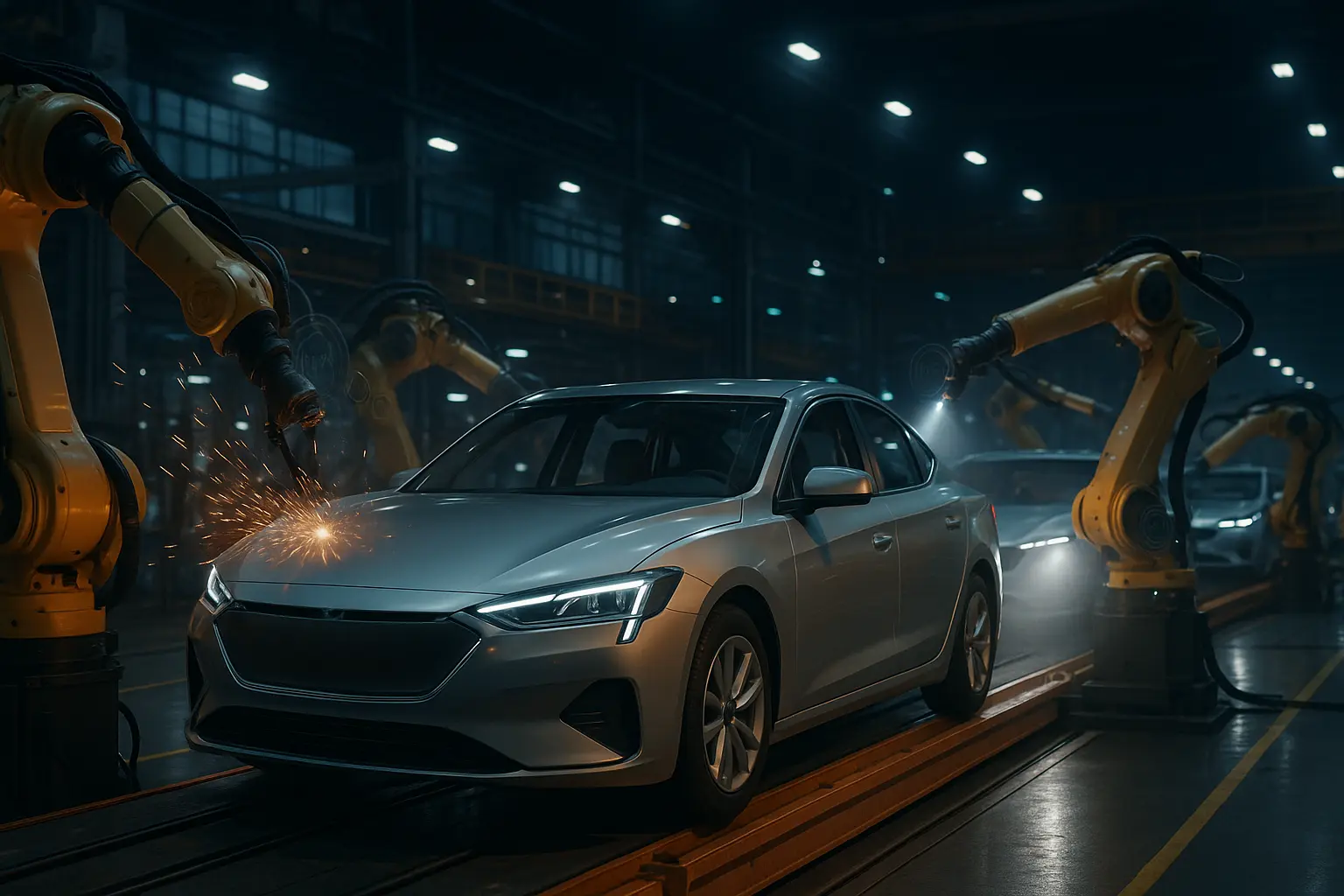
The automakers AI push will narrow significantly over the next few years, according to a new industry forecast. While most carmakers currently invest in artificial intelligence, only a small group is expected to maintain consistent AI focus through 2029. This shift highlights the growing divide between software-driven manufacturers and legacy firms that struggle to adapt.
Why AI reshaped the auto industry
Artificial intelligence transformed automotive development over the past decade. Carmakers implemented AI to streamline production, predict maintenance needs and improve supply-chain efficiency. AI also powered advanced driver-assistance features and in-vehicle personalization. These capabilities pushed manufacturers to position AI as a core strategic asset.
However, maintaining this investment requires money, talent and long-term commitment. The forecast suggests that many traditional manufacturers may not sustain the current pace. Cultural resistance, rising costs and slow decision cycles often hinder their progress.
Why only a few carmakers will stay competitive
Analysts expect that only a small group of automakers will continue a strong AI push by 2029. These companies share a set of advantages. They maintain strong internal software talent, possess leadership that understands digital transformation and treat AI as a long-term foundation rather than an optional upgrade.
Tech-forward brands, especially those born in the electric-vehicle wave, integrate software deeply into their operations. They iterate quickly and rely on unified platforms rather than fragmented legacy systems. This approach gives them a structural advantage in a market shifting toward software-defined vehicles.
Traditional manufacturers often face heavier hurdles. They must overhaul outdated systems and retrain large workforces. Without fast adaptation, they risk slowing their AI momentum.
Industry risks as AI investment declines
A weaker automakers AI push may slow innovation across the sector. Reduced investment can delay new features and reduce customer choice. Slow adoption may also affect safety, because many modern driver-assistance capabilities rely on AI.
Talent shortages pose additional risks. As fewer automakers maintain AI strategies, the pool of engineers may concentrate around tech-focused companies. This concentration could widen the performance gap between leading carmakers and those that fall behind.
The decline may also hurt global competitiveness. Markets that prioritize AI development may produce more advanced vehicles, stronger exports and faster innovation cycles.
What automakers must do to remain leaders
Manufacturers that want to stay competitive must treat AI as a central strategic priority. They need to expand internal software teams and build scalable AI platforms that support continuous development. They should also integrate AI into every stage of the value chain, from early design to customer experience.
Partnerships with technology firms can accelerate progress. Collaboration reduces development time, improves digital capabilities and allows automakers to build stronger AI ecosystems. Clear investment plans and leadership commitment remain essential.
Firms must also embrace cultural change. Adapting to a software-first environment requires flexible thinking, training and transparent communication. Those that manage this transition can maintain growth as AI reshapes the market.
Conclusion
The automakers AI push will shrink sharply by 2029 as only a limited group of carmakers continues investing at scale. Those that embrace software-driven strategies and long-term AI planning will shape the industry’s future. Others may struggle to keep pace in a market that increasingly rewards digital capability and rapid innovation.
0 responses to “Automakers AI push expected to shrink sharply by 2029”