


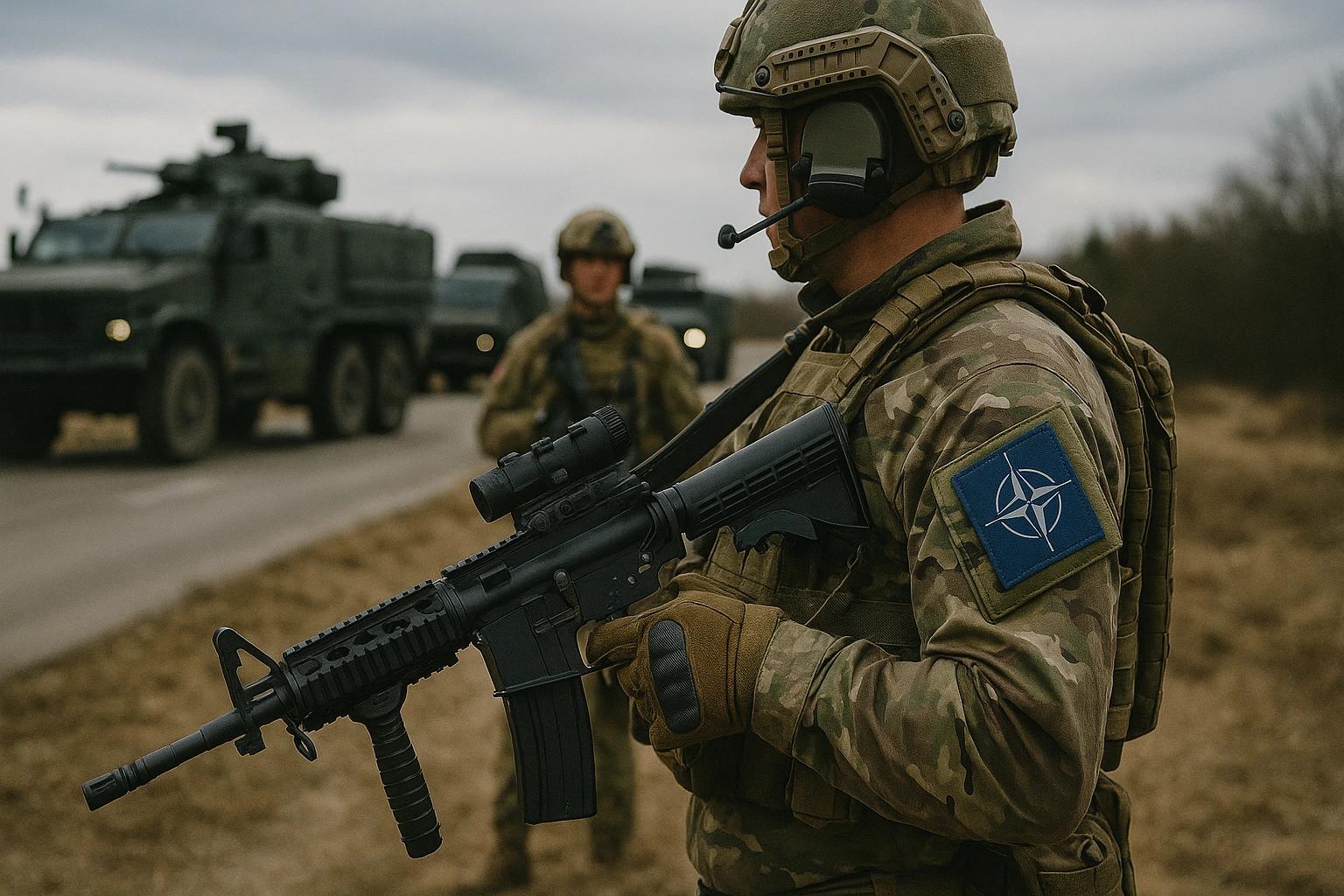
The NATO hybrid response could change dramatically as the alliance’s top military official signals a move from reactive defense to more proactive action. This shift arises amid mounting hybrid threats attributed to Russia — including cyberattacks, sabotage and covert interference. NATO now appears ready to adjust its strategy to meet evolving threats across Europe.
Why NATO Considers a New Approach
Officials note that recent hybrid and cyber operations attributed to Russia show increasing sophistication and broader reach. Under the current strategy, NATO often responds after incidents occur. But growing frequency and scale of hybrid attacks push the alliance to consider pre-emptive measures to deter future aggression.
The alliance’s existing hybrid-threat framework already covers information operations, cyberattacks and infrastructure targeting. Historically, NATO committed to support any ally under hybrid assault and took steps to reinforce national resilience across member states. But recent developments make clear that reactive posture may no longer suffice.
What Could Change — From Defense to Activation
Under a revised posture, NATO could adopt several new measures:
- More aggressive intelligence gathering and monitoring of suspected threat actors
- Rapid-response readiness to counter sabotage, cyber intrusions or other hybrid attacks
- Closer coordination among member states to share threat intelligence and engage in joint defence operations
- Expansion of preventive measures aimed at disrupting hybrid operations before damage occurs
Shifting from passive defense toward an active deterrence strategy would mark a historic turn for an alliance long focused on collective defense and post-incident responses.
Wider Implications for European Security
A strengthened NATO hybrid response could bolster deterrence against future hostile actions across Europe. Countries with critical infrastructure — communications, energy, transport — might gain better protection against sabotage and cyber disruption. The shift may also discourage adversaries by increasing costs and risks tied to large-scale covert operations.
At the same time, more aggressive posture raises complex legal, ethical and political questions. Pre-emptive operations or heightened surveillance could spark concerns over sovereignty, civil liberties or escalation. NATO will need to strike a balance between deterrence and restraint to maintain legitimacy.
Conclusion
The NATO hybrid response appears poised for evolution as leaders weigh a proactive stance against a rising tide of hybrid threats. As cyberattacks, sabotage and covert operations intensify, the alliance may adopt more assertive measures to defend its members. This transition could reshape European security dynamics — but success will depend on delicate balancing of deterrence, legitimacy and alliance unity.
0 responses to “NATO hybrid response may shift toward aggressive posture”