


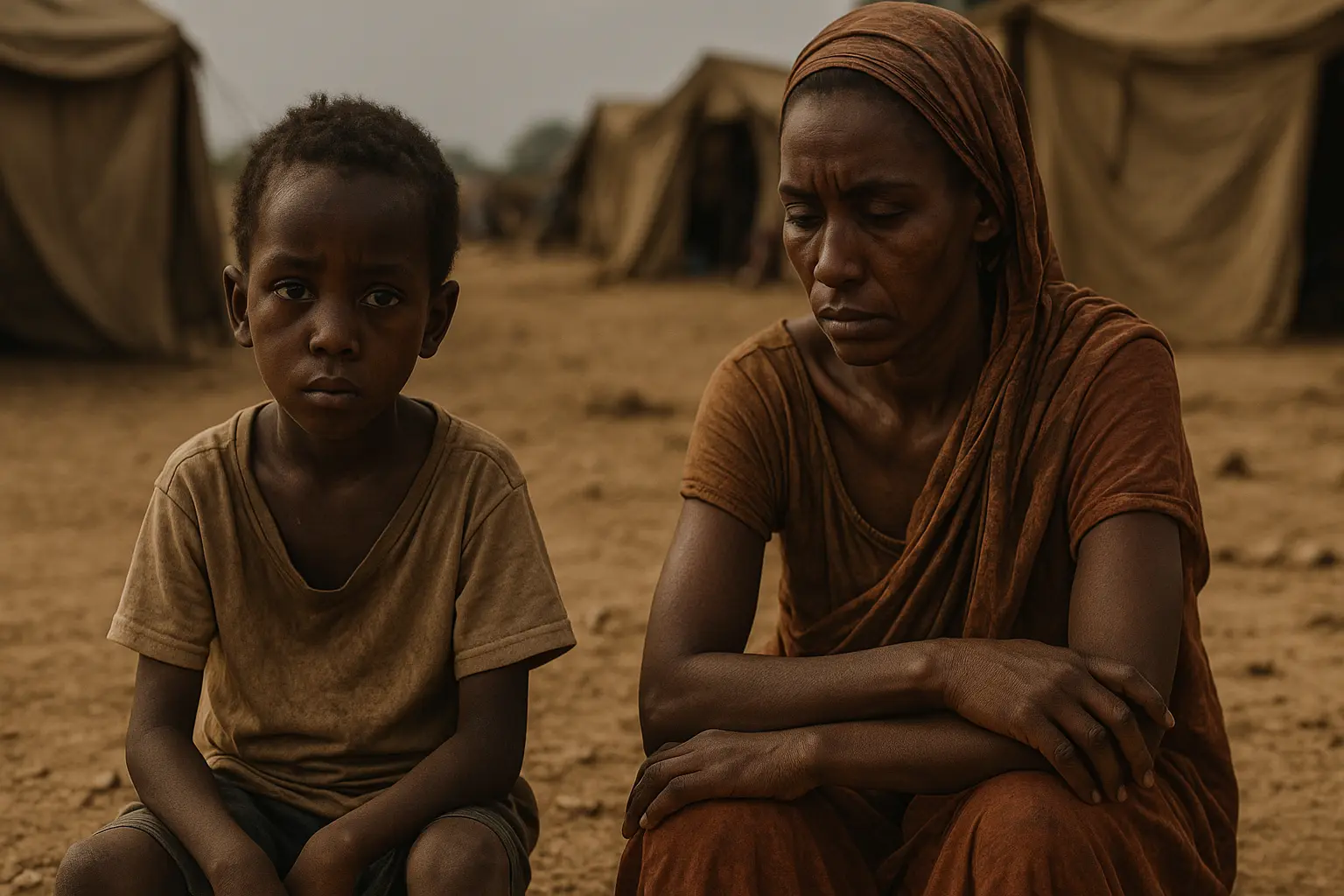
AI poverty-porn has become a rising concern as aid organisations experiment with synthetic images to boost donations. These visuals portray fabricated suffering and raise serious questions about honesty, dignity, and donor trust. Because NGOs rely heavily on imagery to drive emotional engagement, AI-generated scenes now challenge ethical standards across the humanitarian sector.
How AI Poverty-Porn Emerges
Several fundraising teams have begun producing synthetic images that depict extreme hardship, distressed children, and conflict-related trauma. These images resemble traditional poverty-porn narratives. However, they often portray people who never existed. Consequently, donors receive fabricated representations instead of authentic stories. This shift transforms genuine experiences into digital clichés and removes real individuals from their own narratives.
Why the Trend Creates Serious Risks
This practice creates several problems. First, synthetic suffering dehumanises communities. It reduces real people to stylised tropes shaped by algorithms rather than lived experience. Second, donors lose confidence when they discover that campaigns rely on fabricated imagery. Because trust is essential for fundraising, fake visuals can reduce long-term support. Third, the repeated use of synthetic hardship reinforces damaging stereotypes. These patterns then influence future AI training data and intensify harmful biases.
Impact on Aid Organisations
NGOs now face increased scrutiny. Many operate with tight budgets, and AI tools promise cheap content. However, using synthetic images creates reputational risk. Furthermore, regulators may soon require disclosure when organisations use generated visuals. Donors expect transparency, and undisclosed manipulation can trigger backlash. Therefore, aid groups must examine how they create narratives and how those narratives influence public perception.
Ethical Responsibilities for NGOs
Organisations must adopt stronger ethical standards to counter AI poverty-porn. They should clearly label synthetic imagery and prioritise real stories whenever possible. Additionally, they should document consent for every authentic photograph. They must also support local photographers who can portray communities with accuracy and respect. These actions preserve dignity and ensure responsible storytelling.
Why Authenticity Matters
Authentic representation builds long-term trust. Donors feel more confident when stories reflect real conditions rather than fabricated ones. Moreover, genuine visibility empowers communities instead of reducing them to algorithm-generated symbols. Authentic content also strengthens advocacy work because truthful narratives carry more weight with policymakers and partners.
Recommendations for Immediate Change
Aid organisations should audit all existing visual content. They should remove unlabelled synthetic imagery and establish review procedures for future material. Teams must also educate staff about ethical image use and the consequences of misrepresentation. Clear policy frameworks help prevent repeated errors and ensure that fundraising aligns with humanitarian values.
Conclusion
The AI poverty-porn trend exposes deep ethical gaps in how some NGOs communicate global suffering. Synthetic images may offer convenience, yet they undermine dignity, distort reality, and erode trust. To protect both donors and vulnerable communities, organisations must embrace transparency, prioritise authenticity, and commit to responsible storytelling. Without these measures, humanitarian communication risks drifting further from truth and compassion.
0 responses to “AI Poverty-Porn Exposes Major Ethical Failures in NGO Fundraising”