


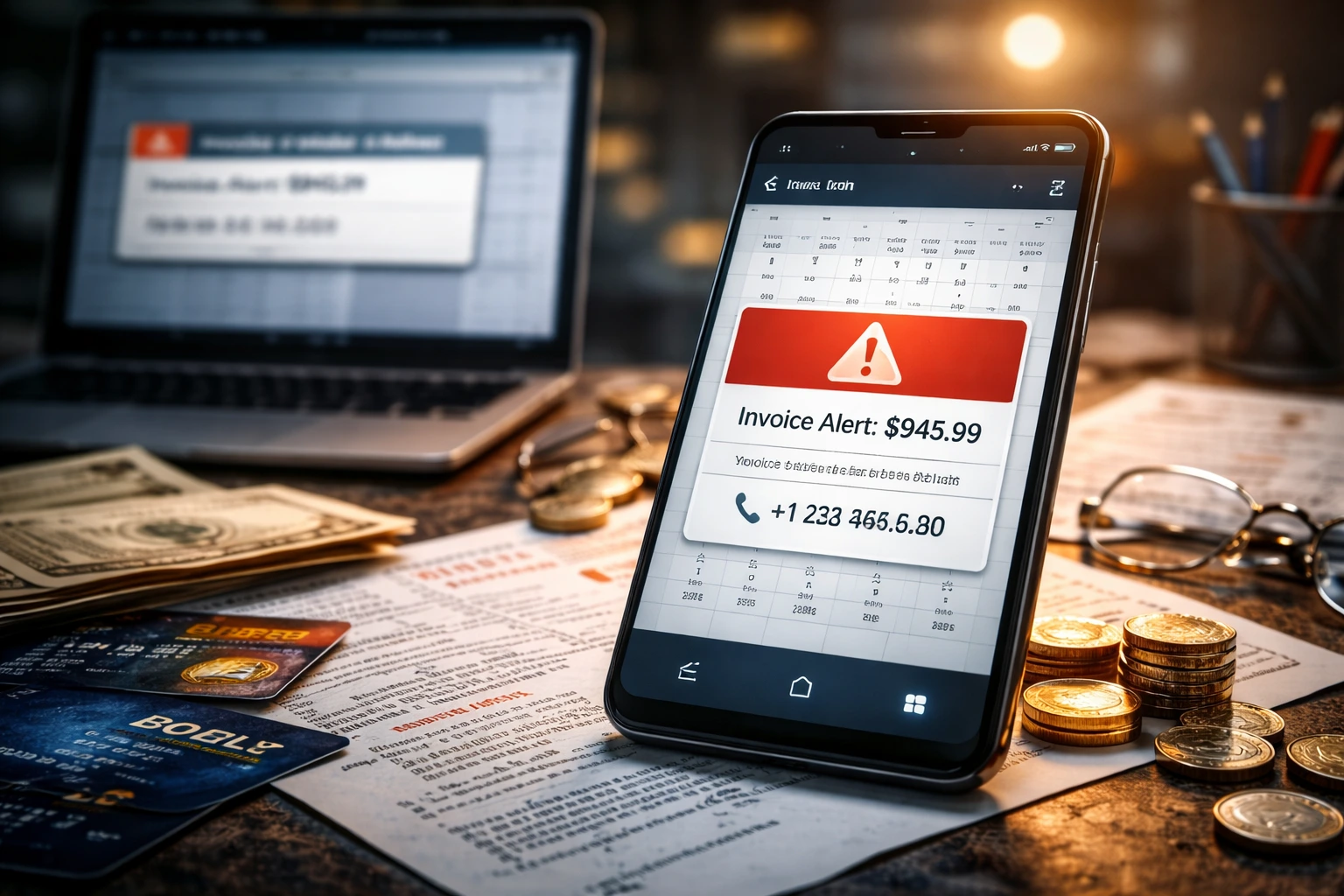
Cybercriminals continue to experiment with new ways to bypass spam filters and reach victims. One emerging tactic involves delivering fake invoices through calendar invitations. Security researchers recently identified a campaign where scammers use calendar events to push fraudulent payment alerts.
The calendar invoice scam relies on urgency and confusion. Victims receive a calendar invite claiming a large payment has already been processed. The message usually includes a support phone number and instructions to call immediately to cancel the supposed charge.
Because many calendar services automatically add invitations to users’ calendars, these messages can appear legitimate. The event may sync across multiple devices, making the alert seem like an official notification rather than a scam.
Scammers Disguise Fake Bills as Calendar Events
In this campaign, attackers send calendar invitations that mimic automated billing confirmations. The event description often claims the recipient has been charged for a subscription or service renewal.
These fake invoices typically list payments worth hundreds of dollars. The inflated price is designed to alarm the recipient and push them to act quickly.
Instead of including malicious links, the invitation directs victims to call a phone number. Once the victim calls, scammers pose as customer support representatives who claim they can reverse the payment.
Researchers note that attackers often impersonate recognizable brands to increase credibility.
Why Calendar Scams Work
The calendar invoice scam takes advantage of how calendar platforms handle invitations. Many services automatically display events even if the user never accepts the invitation.
This behavior allows attackers to place fraudulent notifications directly inside a user’s calendar. Because calendars are usually trusted productivity tools, recipients may not question the message.
The event may also appear on phones, laptops, and other synced devices. Seeing the same alert across multiple platforms can make the message appear more legitimate.
By using calendar invites instead of traditional phishing emails, scammers can bypass many email security filters.
What Happens When Victims Call
When victims call the phone number listed in the invitation, scammers follow a familiar fraud script. They pretend to represent a billing department or customer support team.
The attackers claim they can cancel the transaction. During the conversation, they attempt to gather sensitive information or convince the victim to complete a payment.
Common tactics include:
- Requesting credit card or bank account details
- Asking for payment through gift cards or cryptocurrency
- Instructing victims to install remote access software
- Collecting personal data for identity theft
Once scammers obtain financial information or device access, they can steal money or compromise the victim’s system.
How Users Can Protect Themselves
Security experts recommend reviewing calendar settings to reduce the risk of these attacks. Users should disable automatic event additions whenever possible.
Limiting who can send calendar invitations also helps prevent unknown senders from placing events in the calendar.
Unexpected events mentioning payments, subscriptions, or urgent charges should be treated with caution. Legitimate companies rarely send invoices through calendar invitations.
Deleting suspicious events without interacting with the listed phone number can prevent scammers from escalating the attack.
Conclusion
The calendar invoice scam shows how cybercriminals continue to adapt their social engineering techniques. By abusing calendar invitations, attackers can bypass traditional email defenses and reach victims through a trusted tool.
As scammers explore new delivery methods, users must remain cautious when unexpected notifications appear in everyday applications. Careful review of calendar settings and avoiding suspicious billing alerts can significantly reduce the risk of falling victim to these scams.
0 responses to “Calendar Invoice Scam Uses Fake Billing Invites”